Complete Guide to Surgical Procedures: Types, Costs, Recovery, Risks, Outcomes & Modern Surgical Technologies (2026)
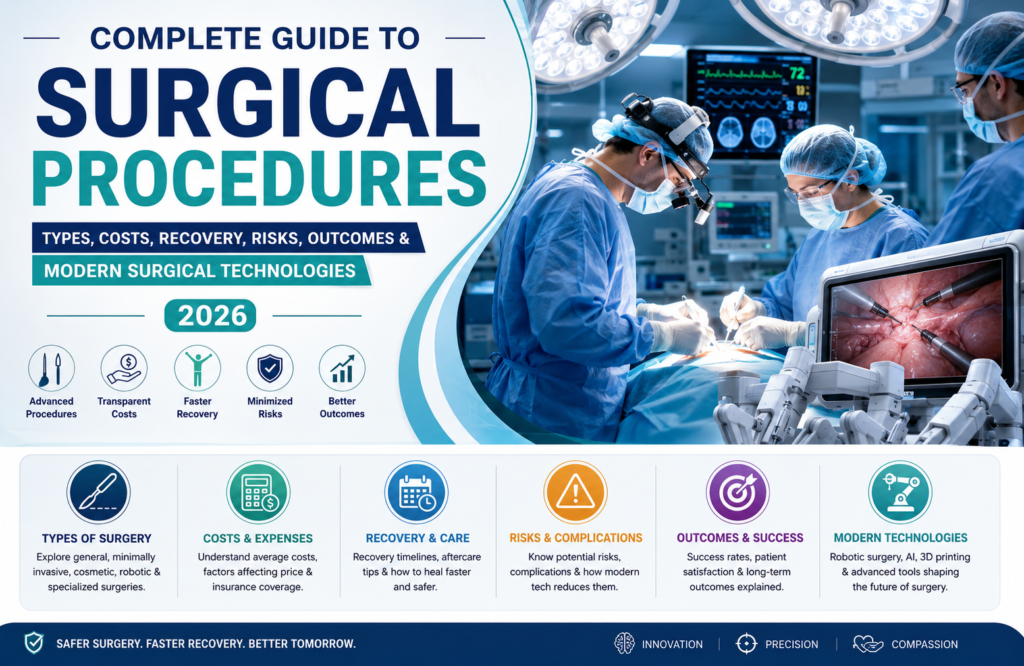
Complete Guide to Surgical Procedures Types, Costs, Recovery, Risks, Outcomes & Modern Surgical Technologies (2026)
Introduction
Surgical procedures play a critical role in modern healthcare. Every year, millions of people undergo surgery to diagnose diseases, repair injuries, remove abnormal tissues, restore organ function, and improve their quality of life. Advances in medical science, surgical technology, imaging systems, and minimally invasive techniques have transformed surgery into one of the safest and most effective treatment options available today.
From routine operations such as appendectomy and hernia repair to highly complex procedures such as heart surgery, brain surgery, and organ transplantation, surgical procedures help patients overcome serious medical conditions and achieve better health outcomes.
Modern operating rooms now utilize robotic-assisted systems, artificial intelligence, computer-guided navigation, advanced imaging technologies, and specialized surgical teams to improve precision, reduce complications, and shorten recovery times. These innovations allow surgeons to perform procedures with greater accuracy while minimizing trauma to surrounding tissues.
This comprehensive guide explains what surgical procedures are, why patients need surgery, how doctors determine whether surgery is necessary, the different types of surgery, anesthesia options, common surgical specialties, recovery expectations, risks, costs, and the role of modern surgical technologies in improving patient care.
What Are Surgical Procedures?
Surgical procedures are medical interventions that involve altering body structures to diagnose, treat, repair, reconstruct, replace, or remove diseased tissues and organs.
A surgeon performs an operation using specialized instruments, advanced imaging systems, and sterile techniques designed to ensure patient safety and treatment effectiveness.
Surgery may be performed to address acute conditions requiring immediate treatment or chronic diseases that have not responded to non-surgical therapies.
Primary Goals of Surgical Procedures
The goals of surgery vary depending on the patient’s condition but commonly include:
- Removing diseased tissue
- Repairing damaged organs
- Correcting structural abnormalities
- Restoring bodily function
- Relieving chronic pain
- Treating cancer
- Improving mobility
- Preventing disease progression
- Saving lives during emergencies
Surgical procedures can be elective, urgent, or emergency interventions depending on the severity of the medical condition.
Types of Surgical Purposes
| Surgical Goal | Purpose |
| Diagnostic | Identify disease or abnormalities |
| Curative | Eliminate disease |
| Reconstructive | Restore form and function |
| Preventive | Prevent future complications |
| Palliative | Reduce symptoms and improve comfort |
| Transplant | Replace failing organs |
Understanding the purpose of surgery helps patients make informed decisions about their treatment options.
Why Do Patients Need Surgery?
Patients undergo surgery for many different reasons. In some cases, surgery is the most effective treatment option. In others, it may be the only way to prevent serious complications or save a patient’s life.
Common Reasons for Surgery
Disease Treatment
Many diseases require surgical intervention when medications or other therapies are no longer effective.
Examples include:
- Colon cancer
- Thyroid cancer
- Gallbladder disease
- Coronary artery disease
- Brain tumors
Injury Repair
Traumatic injuries often require surgery to restore function and prevent long-term disability.
Examples include:
- Broken bones
- Torn ligaments
- Internal bleeding
- Spinal injuries
Organ Function Restoration
Certain procedures help restore normal organ function.
Examples include:
- Heart valve surgery
- Kidney transplantation
- Coronary artery bypass surgery
Chronic Pain Relief
Many surgeries are performed to reduce chronic pain and improve quality of life.
Examples include:
- Knee replacement
- Hip replacement
- Spine surgery
Cancer Treatment
Cancer surgery remains one of the most common forms of treatment for solid tumors.
Procedures may involve:
- Tumor removal
- Organ resection
- Lymph node removal
Emergency Medical Conditions
Emergency surgeries address life-threatening situations such as:
- Appendicitis
- Internal bleeding
- Bowel obstruction
- Traumatic injuries
Conditions Commonly Requiring Surgery
| Condition | Common Procedure |
| Appendicitis | Appendectomy |
| Hernia | Hernia Repair |
| Gallstones | Cholecystectomy |
| Colon Cancer | Colon Surgery |
| Osteoarthritis | Joint Replacement |
| Coronary Artery Disease | CABG |
| Brain Tumor | Neurosurgery |
| Heart Valve Disease | Valve Surgery |
The decision to perform surgery depends on the patient’s diagnosis, symptoms, overall health, and treatment goals.
How Do Doctors Determine Whether Surgery Is Needed?
Before recommending surgery, physicians perform a detailed evaluation to understand the patient’s condition and determine whether surgical treatment is necessary.
The goal is to ensure that surgery offers more benefits than risks.
Initial Medical Assessment
The evaluation process usually begins with a comprehensive review of:
- Medical history
- Current symptoms
- Previous treatments
- Existing health conditions
- Family medical history
Doctors use this information to identify possible causes of illness and determine the next steps.
Physical Examination
A physical examination helps physicians assess:
- Pain location
- Mobility limitations
- Organ function
- Neurological status
- Signs of infection or disease
Physical findings often guide further diagnostic testing.
Blood Tests
Blood testing provides valuable information about a patient’s health status.
Common tests include:
- Complete Blood Count (CBC)
- Blood Glucose Testing
- Kidney Function Tests
- Liver Function Tests
- Coagulation Studies
These tests help identify infections, anemia, organ dysfunction, and bleeding risks.
Imaging Studies
Modern imaging technologies play a critical role in surgical planning.
CT Scan
Computed tomography (CT) scans provide detailed cross-sectional images of internal structures.
CT scans are commonly used to evaluate:
- Tumors
- Internal injuries
- Abdominal conditions
- Bone abnormalities
MRI
Magnetic Resonance Imaging (MRI) produces highly detailed images of soft tissues.
MRI is particularly useful for:
- Brain disorders
- Spine conditions
- Joint injuries
- Muscle abnormalities
Ultrasound
Ultrasound uses sound waves to visualize internal organs and blood flow.
Common applications include:
- Gallbladder disease
- Pregnancy evaluation
- Vascular assessment
- Abdominal disorders
X-Rays
X-rays remain essential for diagnosing:
- Fractures
- Joint problems
- Chest conditions
Biopsy Procedures
A biopsy involves removing a small tissue sample for laboratory analysis.
Biopsies are frequently used to diagnose:
- Cancer
- Inflammatory diseases
- Organ abnormalities
Accurate diagnosis helps physicians determine the most appropriate treatment plan.
Treatment Decision Process
Once diagnostic testing is complete, healthcare providers evaluate all available treatment options.
The decision-making process typically follows this pathway:
- Symptoms
- Medical Evaluation
- Diagnostic Testing
- Confirmed Diagnosis
- Treatment Planning
- Surgical Recommendation
Surgery is generally recommended when its expected benefits outweigh potential risks.
How Do Patients Prepare for Surgery?
Proper preparation helps improve patient safety, reduce complications, and support faster recovery.
Healthcare providers conduct a preoperative evaluation before most surgical procedures.
Medical History Review
Doctors review:
- Existing health conditions
- Previous surgeries
- Allergies
- Medication use
- Family history
This information helps identify factors that may affect surgical outcomes.
Medication Review
Certain medications may increase surgical risks.
Patients may need to temporarily stop:
- Blood thinners
- Certain diabetes medications
- Anti-inflammatory drugs
Medication adjustments should always be made under medical supervision.
Fasting Requirements
Many surgeries require patients to avoid food and drinks for a specific period before anesthesia.
Following fasting instructions reduces the risk of complications during surgery.
Additional Testing
Preoperative testing may include:
- Blood work
- Electrocardiogram (ECG)
- Chest imaging
- Pulmonary function tests
These evaluations help ensure patients are medically prepared for surgery.
What Types of Anesthesia Are Used During Surgery?
Anesthesia allows surgical procedures to be performed safely and comfortably by preventing pain and controlling patient awareness during an operation.
Anesthesiologists carefully select the most appropriate anesthesia based on:
- Procedure type
- Patient age
- Medical history
- Overall health status
General Anesthesia
General anesthesia causes complete unconsciousness during surgery.
It is commonly used for:
- Open heart surgery
- Brain surgery
- Major abdominal procedures
- Organ transplantation
Benefits
- Complete pain control
- No awareness during surgery
- Suitable for lengthy operations
Risks
- Nausea
- Sore throat
- Temporary confusion
- Rare respiratory complications
How Has Modern Surgery Evolved?
Modern surgery has undergone remarkable changes over the past century. What once required large incisions, extended hospital stays, and lengthy recoveries can now often be performed through small incisions using advanced technology and highly specialized instruments.
Today’s operating rooms integrate imaging systems, robotic platforms, computer-guided navigation, and artificial intelligence to improve precision and patient outcomes.
Healthcare organizations such as the American College of Surgeons (ACS), National Institutes of Health (NIH), and Centers for Disease Control and Prevention (CDC) continue to support advancements that make surgical care safer and more effective.
Technologies Transforming Modern Surgery
Modern surgical teams may use:
- Robotic Surgical Systems
- 3D Imaging Technology
- Artificial Intelligence-Assisted Planning
- Computer-Guided Navigation
- Intraoperative Imaging
- Advanced Energy Devices
- Precision Surgical Instruments
- Enhanced Recovery Protocols
Benefits of Modern Surgical Technology
| Technology Benefit | Impact on Patient Care |
| Greater Precision | Improved surgical accuracy |
| Smaller Incisions | Less tissue damage |
| Reduced Pain | Improved patient comfort |
| Lower Infection Risk | Enhanced safety |
| Faster Recovery | Earlier return to activities |
| Shorter Hospital Stay | Reduced healthcare costs |
These innovations continue to improve outcomes across nearly every surgical specialty.
What Is Minimally Invasive Surgery?
Minimally invasive surgery uses specialized instruments, cameras, and small incisions to perform procedures with less trauma than traditional open surgery.
Instead of making a large incision, surgeons access the treatment area through several small openings, reducing damage to surrounding tissues.
Today, many procedures that once required open surgery can be performed using minimally invasive techniques.
Benefits of Minimally Invasive Surgery
Patients often experience:
- Smaller scars
- Less bleeding
- Reduced pain
- Lower infection rates
- Faster healing
- Shorter hospital stays
- Earlier return to normal activities
Minimally Invasive Surgery vs Open Surgery
| Factor | Minimally Invasive Surgery | Open Surgery |
| Incision Size | Small | Large |
| Blood Loss | Lower | Higher |
| Recovery Time | Faster | Longer |
| Pain Level | Lower | Higher |
| Hospital Stay | Shorter | Longer |
| Scarring | Minimal | More Visible |
Not every patient is a candidate for minimally invasive surgery. The best approach depends on the medical condition, anatomy, and surgeon’s expertise.
What Is Laparoscopic Surgery?
Laparoscopic surgery is one of the most common minimally invasive techniques used today.
The procedure involves inserting a laparoscope, a thin tube equipped with a camera and light source, through a small incision.
Images from the camera are displayed on a monitor, allowing surgeons to perform precise procedures without making large openings.
Common Laparoscopic Procedures
- Hernia Repair
- Appendectomy
- Gallbladder Removal
- Colon Surgery
- Bariatric Surgery
- Gynecologic Surgery
Advantages of Laparoscopic Surgery
- Smaller incisions
- Less postoperative pain
- Faster recovery
- Lower complication rates
- Better cosmetic outcomes
Many patients can return to daily activities within days rather than weeks.
What Is Endoscopic Surgery?
Endoscopic surgery uses a flexible or rigid scope equipped with a camera to access internal organs and structures.
Unlike traditional surgery, many endoscopic procedures require little or no external incision.
Common Endoscopic Procedures
- Gastrointestinal Endoscopy
- Arthroscopy
- Bronchoscopy
- Sinus Surgery
- Endoscopic Spine Surgery
Benefits of Endoscopic Surgery
- Enhanced visualization
- Reduced tissue disruption
- Faster healing
- Minimal scarring
- Shorter recovery periods
Endoscopic procedures have become an important component of modern healthcare.
What Is Robotic Surgery?
Robotic surgery is an advanced form of minimally invasive surgery that allows surgeons to control robotic instruments through a computerized console.
Despite the name, robots do not perform surgery independently. The surgeon remains in complete control throughout the procedure.
One of the most widely used robotic platforms is the da Vinci Surgical System.
Benefits of Robotic Surgery
- Enhanced precision
- Greater instrument flexibility
- Improved visualization
- Tremor reduction
- Better access to difficult areas
Robotic surgery is increasingly used in:
- Urologic Surgery
- Gynecologic Surgery
- Colorectal Surgery
- General Surgery
- Cardiothoracic Surgery
Robotic Surgery vs Laparoscopic Surgery
| Feature | Robotic Surgery | Laparoscopic Surgery |
| Visualization | High-Definition 3D | 2D or 3D |
| Instrument Movement | Greater Range | Standard |
| Precision | Very High | High |
| Surgeon Ergonomics | Improved | Standard |
| Equipment Cost | Higher | Lower |
Both techniques offer significant advantages compared to traditional open surgery.
What Equipment Is Used During Surgery?
Successful surgical procedures depend on specialized instruments and advanced technology.
Common Surgical Instruments
Scalpel
Used to make precise incisions.
Forceps
Used for grasping and manipulating tissue.
Retractors
Hold tissues aside to improve visibility.
Surgical Scissors
Used for cutting tissue and sutures.
Endoscope
Provides internal visualization.
Laparoscope
Allows minimally invasive access to the body.
Robotic Surgical System
Assists surgeons during robotic procedures.
Surgical Navigation Systems
Provide real-time guidance during complex operations.
These tools improve precision, efficiency, and patient safety.
What Are the Main Surgical Specialties?
Surgery encompasses multiple medical specialties, each focused on specific organs, diseases, and treatment approaches.
The most common surgical specialties include:
- General Surgery
- Surgical Oncology
- Orthopedic Surgery
- Neurosurgery
- Cardiovascular Surgery
- Bariatric Surgery
- Gynecologic Surgery
- Urologic Surgery
- Pediatric Surgery
- Transplant Surgery
Each specialty requires extensive training and expertise.
What Is General Surgery?
General surgery focuses on diseases affecting the abdomen, digestive tract, endocrine system, soft tissues, and emergency surgical conditions.
General surgeons perform many of the most common procedures in hospitals throughout the United States.
Common General Surgery Procedures
- Hernia Repair
- Appendectomy
- Gallbladder Removal
- Colon Surgery
- Thyroid Surgery
General surgeons often coordinate care with specialists to provide comprehensive treatment.
What Is Hernia Repair Surgery?
Hernia repair surgery corrects a weakness or opening in muscle or connective tissue that allows internal organs or tissue to protrude.
Hernias can develop in several areas of the body and often worsen over time if left untreated.
Types of Hernias
- Inguinal Hernia
- Femoral Hernia
- Umbilical Hernia
- Hiatal Hernia
- Incisional Hernia
Hernia Repair Techniques
Open Hernia Repair
The surgeon repairs the defect through a larger incision.
Laparoscopic Hernia Repair
The surgeon uses small incisions and specialized instruments.
Robotic Hernia Repair
Robotic technology provides enhanced visualization and precision.
Benefits of Hernia Repair
- Relieves discomfort
- Prevents complications
- Restores abdominal wall strength
- Improves quality of life
Hernia Recovery Timeline
| Recovery Stage | Typical Timeline |
| Walking | Same Day |
| Light Activities | 1-2 Weeks |
| Full Recovery | 4-6 Weeks |
What Is an Appendectomy?
An appendectomy is the surgical removal of the appendix to treat appendicitis.
Appendicitis occurs when the appendix becomes inflamed and infected. Without treatment, the appendix may rupture and cause serious complications.
Types of Appendectomy
Laparoscopic Appendectomy
Most common approach used today.
Open Appendectomy
Typically used for complicated cases or ruptured appendices.
Benefits of Early Treatment
- Prevents rupture
- Reduces infection risk
- Shortens recovery
- Improves outcomes
Recovery Timeline
| Recovery Phase | Typical Time |
| Walking | Within 24 Hours |
| Light Activity | About 1 Week |
| Full Recovery | 2-6 Weeks |
What Is Gallbladder Removal Surgery?
Gallbladder removal surgery, also known as cholecystectomy, treats gallstones and other gallbladder disorders.
It is one of the most frequently performed digestive surgeries in the United States.
- Gallstones
- Chronic inflammation
- Infection
- Bile duct blockage
- Gallbladder dysfunction
Surgical Approaches
| Procedure | Recovery Time |
| Laparoscopic Cholecystectomy | 1-2 Weeks |
| Open Cholecystectomy | 4-8 Weeks |
Most patients can live normally without a gallbladder after recovery.
What Is Colon Surgery?
Colon surgery treats diseases affecting the large intestine.
Conditions requiring colon surgery include:
- Colon Cancer
- Diverticulitis
- Crohn’s Disease
- Ulcerative Colitis
- Bowel Obstruction
Common Types of Colon Surgery
- Colectomy
- Partial Colectomy
- Total Colectomy
- Laparoscopic Colon Surgery
Advances in minimally invasive techniques have significantly improved recovery for many colorectal procedures.
What Is Surgical Oncology?
Surgical oncology is the branch of surgery dedicated to diagnosing, staging, and treating cancer through surgical intervention.
Cancer surgery remains one of the most effective treatment approaches for many solid tumors.
Goals of Surgical Oncology
- Remove cancerous tissue
- Prevent disease spread
- Improve survival rates
- Relieve symptoms
- Support other cancer treatments
Common Cancer Surgery Procedures
- Mastectomy
- Prostatectomy
- Lung Cancer Surgery
- Liver Resection
- Pancreatectomy
- Colon Cancer Surgery
- Tumor Excision
Many patients receive surgery alongside chemotherapy, radiation therapy, targeted therapy, or immunotherapy.
What Is Orthopedic Surgery?
Orthopedic surgery focuses on diagnosing, treating, repairing, and preventing conditions affecting the bones, joints, muscles, ligaments, tendons, and connective tissues.
Orthopedic surgeons help patients regain mobility, reduce pain, and improve physical function.
Millions of Americans seek orthopedic care each year for arthritis, sports injuries, fractures, and degenerative joint diseases.
Common Orthopedic Procedures
- Knee Replacement Surgery
- Hip Replacement Surgery
- ACL Reconstruction
- Bone Fracture Repair
- Rotator Cuff Repair
- Shoulder Replacement
- Ankle Surgery
Orthopedic procedures range from minimally invasive arthroscopic treatments to complex joint replacement surgeries.
What Is Knee Replacement Surgery?
Knee replacement surgery, also known as knee arthroplasty, replaces damaged knee joint surfaces with artificial implants.
The procedure is commonly performed when joint damage causes severe pain and limits daily activities.
Conditions Treated
- Osteoarthritis
- Rheumatoid Arthritis
- Post-Traumatic Arthritis
- Severe Joint Damage
Benefits
- Pain relief
- Improved mobility
- Better joint function
- Enhanced quality of life
Recovery Timeline
| Recovery Stage | Typical Timeline |
| Walking Assistance | 1-3 Days |
| Daily Activities | 3-6 Weeks |
| Full Recovery | Several Months |
Physical therapy plays a critical role in achieving successful outcomes.
What Is Hip Replacement Surgery?
Hip replacement surgery involves replacing damaged portions of the hip joint with artificial components.
The procedure is highly effective for relieving pain and restoring mobility.
Conditions Requiring Hip Replacement
- Osteoarthritis
- Hip Fractures
- Degenerative Joint Disease
- Avascular Necrosis
Expected Benefits
Most patients experience:
- Significant pain reduction
- Improved movement
- Better physical function
- Enhanced quality of life
Modern implants often last many years before requiring revision.
What Is ACL Reconstruction Surgery?
ACL reconstruction repairs a torn anterior cruciate ligament, one of the major stabilizing ligaments of the knee.
Athletes frequently undergo ACL surgery following sports-related injuries.
Graft Options
- Patellar Tendon Graft
- Hamstring Tendon Graft
- Quadriceps Tendon Graft
- Donor Tissue Graft
Recovery Components
- Physical therapy
- Strength training
- Balance exercises
- Gradual return to sports
Most patients require several months of rehabilitation before returning to high-impact activities.
What Is Bone Fracture Repair Surgery?
Bone fracture repair surgery stabilizes broken bones using specialized devices.
Common Fixation Devices
- Plates
- Screws
- Rods
- Pins
- External Fixators
Surgical Goals
- Restore alignment
- Promote healing
- Preserve function
- Prevent long-term complications
Treatment depends on fracture location, severity, and patient health.
What Is Neurosurgery?
Neurosurgery focuses on disorders affecting the brain, spine, and nervous system.
Neurosurgeons use advanced imaging, navigation systems, and microsurgical techniques to treat complex neurological conditions.
Conditions Commonly Treated
- Brain Tumors
- Aneurysms
- Epilepsy
- Herniated Discs
- Spinal Stenosis
- Degenerative Spine Disease
Neurosurgery often requires highly specialized equipment and multidisciplinary care teams.
What Are the Main Types of Brain Surgery?
Brain surgery addresses structural abnormalities, tumors, injuries, and neurological disorders.
Common Brain Surgery Procedures
Craniotomy
A craniotomy involves temporarily removing a section of the skull to access the brain.
Brain Tumor Removal
Used to remove benign or malignant growths affecting brain function.
Deep Brain Stimulation
A procedure that implants electrodes to help manage movement disorders such as Parkinson’s disease.
Aneurysm Clipping
Used to prevent rupture of weakened blood vessels in the brain.
These procedures often rely on advanced imaging and surgical navigation systems.
What Is Spine Surgery?
Spine surgery treats disorders affecting vertebrae, discs, nerves, and supporting structures.
Common Spine Conditions
- Herniated Discs
- Spinal Stenosis
- Degenerative Disc Disease
- Scoliosis
- Spinal Instability
Common Spine Procedures
- Discectomy
- Laminectomy
- Spinal Fusion
- Artificial Disc Replacement
Spine surgery aims to relieve pain, restore function, and improve mobility.
What Is Minimally Invasive Spine Surgery?
Minimally invasive spine surgery uses specialized instruments and smaller incisions to reduce tissue damage.
Benefits
- Less postoperative pain
- Reduced blood loss
- Smaller scars
- Shorter hospital stays
- Faster recovery
Many spine centers increasingly prefer minimally invasive approaches whenever appropriate.
What Is Cardiovascular Surgery?
Cardiovascular surgery treats diseases affecting the heart and blood vessels.
Heart surgeons perform life-saving procedures that improve circulation, restore cardiac function, and prevent serious complications.
Common Cardiovascular Procedures
- Open Heart Surgery
- Coronary Artery Bypass Surgery
- Heart Valve Surgery
- Aortic Surgery
- Congenital Heart Defect Repair
Cardiovascular surgery remains one of the most important specialties in modern medicine.
What Is Open Heart Surgery?
Open heart surgery involves opening the chest to access the heart.
The procedure is often performed using a heart-lung machine that temporarily takes over circulation during surgery.
Conditions Treated
- Heart Valve Disease
- Coronary Artery Disease
- Congenital Heart Defects
- Heart Failure
Goals
- Improve circulation
- Restore heart function
- Prevent complications
- Improve survival
Advances in surgical techniques continue to improve outcomes for cardiac patients.
What Is Coronary Artery Bypass Surgery (CABG)?
Coronary artery bypass grafting (CABG) restores blood flow around blocked coronary arteries.
Surgeons use healthy blood vessels from other parts of the body to create new pathways for blood circulation.
Benefits of CABG
- Reduced chest pain
- Improved blood flow
- Better heart function
- Enhanced quality of life
- Reduced risk of heart attack
CABG remains one of the most commonly performed major cardiac surgeries.
CABG vs Coronary Stenting
| Feature | CABG | Coronary Stenting |
| Procedure Type | Surgical | Minimally Invasive |
| Hospital Stay | Longer | Shorter |
| Recovery Time | Longer | Faster |
| Long-Term Benefit | Often Greater for Complex Disease | Effective for Selected Cases |
| Invasiveness | Higher | Lower |
The best treatment depends on the severity and location of arterial blockages.
What Is Heart Valve Surgery?
Heart valve surgery repairs or replaces damaged heart valves that affect blood flow through the heart.
Commonly Treated Valves
- Aortic Valve
- Mitral Valve
- Tricuspid Valve
- Pulmonary Valve
Treatment Options
| Procedure | Purpose |
| Valve Repair | Preserves existing valve |
| Valve Replacement | Replaces damaged valve |
Successful treatment can significantly improve heart function and quality of life.
What Is Bariatric Surgery?
Bariatric surgery helps individuals with obesity achieve substantial and long-term weight loss.
It is often recommended when diet, exercise, and medical therapies have not produced adequate results.
Benefits of Bariatric Surgery
- Significant weight reduction
- Improved diabetes control
- Better cardiovascular health
- Reduced sleep apnea symptoms
- Improved quality of life
Bariatric surgery can also reduce obesity-related health risks.
Main Types of Bariatric Surgery
Gastric Sleeve Surgery
Removes a large portion of the stomach, reducing food intake.
Gastric Bypass Surgery
Creates a smaller stomach pouch and reroutes part of the digestive system.
Adjustable Gastric Band
Places a band around the stomach to limit food consumption.
Duodenal Switch
Combines stomach reduction with intestinal bypass.
Each procedure has unique benefits, risks, and recovery considerations.
What Is Gynecologic Surgery?
Gynecologic surgery focuses on conditions affecting the female reproductive system.
Many gynecologic procedures can now be performed using minimally invasive and robotic-assisted techniques.
Common Gynecologic Procedures
- Hysterectomy
- Myomectomy
- Oophorectomy
- Endometriosis Surgery
- Pelvic Organ Prolapse Repair
Conditions Treated
- Uterine Fibroids
- Endometriosis
- Ovarian Cysts
- Gynecologic Cancers
- Chronic Pelvic Pain
These procedures often improve quality of life and reproductive health.
What Is Urologic Surgery?
Urologic surgery treats disorders affecting the urinary tract and male reproductive system.
Common Urologic Procedures
- Prostate Surgery
- Kidney Stone Surgery
- TURP
- Cystectomy
- Bladder Surgery
Conditions Treated
- Enlarged Prostate
- Kidney Stones
- Bladder Cancer
- Urinary Obstruction
- Prostate Cancer
Many urologic procedures are now performed using robotic surgical systems.
What Is Pediatric Surgery?
Pediatric surgery specializes in surgical care for infants, children, and adolescents.
Children often require unique surgical approaches due to their developing anatomy and physiology.
Common Pediatric Procedures
- Congenital Defect Repair
- Pediatric Hernia Repair
- Pediatric Cardiac Surgery
- Appendectomy
- Tumor Removal
Pediatric surgeons work closely with specialized children’s hospitals and multidisciplinary care teams.
What Is Transplant Surgery?
Transplant surgery replaces diseased or failing organs with healthy donor organs.
It represents one of the most complex areas of modern medicine.
Common Organ Transplants
- Kidney Transplant
- Liver Transplant
- Heart Transplant
- Lung Transplant
- Pancreas Transplant
Goals of Transplant Surgery
- Restore organ function
- Improve survival
- Enhance quality of life
Organ transplantation relies on donor programs, advanced surgical techniques, and lifelong medical management.
How Much Do Surgical Procedures Cost in the USA?
The cost of surgery varies significantly depending on the procedure, hospital, surgeon’s experience, geographic location, insurance coverage, and the complexity of treatment.
In the United States, surgical expenses can range from a few thousand dollars for routine outpatient procedures to hundreds of thousands of dollars for complex operations such as organ transplants and advanced cardiac surgery.
Understanding the financial aspects of surgery helps patients prepare for treatment and avoid unexpected expenses.
Factors Affecting Surgical Costs
Several factors influence the total cost of surgery:
- Procedure complexity
- Hospital type
- Geographic location
- Length of hospital stay
- Surgical technology used
- Surgeon fees
- Anesthesia fees
- Postoperative care requirements
- Rehabilitation services
- Insurance coverage
Advanced procedures involving robotic systems or highly specialized surgical teams may increase overall costs.
Average Surgical Costs
| Procedure | Estimated Cost Range |
| Hernia Repair | $4,000 – $15,000 |
| Appendectomy | $10,000 – $35,000 |
| Gallbladder Removal | $8,000 – $25,000 |
| Colon Surgery | $20,000 – $60,000 |
| Knee Replacement | $30,000 – $60,000 |
| Hip Replacement | $30,000 – $65,000 |
| CABG Surgery | $70,000 – $200,000+ |
| Brain Surgery | $50,000 – $150,000+ |
| Organ Transplant | $300,000 – $1 Million+ |
Actual costs vary based on individual circumstances and healthcare providers.
Does Insurance Cover Surgical Procedures?
Most medically necessary surgeries are covered by private insurance plans, Medicare, and Medicaid.
However, coverage varies according to the patient’s insurance policy and provider network.
Factors Affecting Coverage
Insurance companies commonly evaluate:
- Medical necessity
- Preauthorization requirements
- In-network providers
- Deductibles
- Copayments
- Coinsurance obligations
Patients should review their benefits before scheduling surgery.
Questions Patients Should Ask Their Insurance Provider
Before surgery, patients should verify:
- Is the procedure covered?
- Is the surgeon in-network?
- Is the hospital in-network?
- Are anesthesia services covered?
- What are the expected out-of-pocket costs?
- Is prior authorization required?
Understanding coverage can help avoid financial surprises.
What Are the Risks of Surgery?
Although modern surgery is safer than ever, every procedure carries some degree of risk.
Healthcare providers carefully evaluate risks and benefits before recommending surgery.
The likelihood of complications depends on:
- Procedure type
- Patient age
- Overall health
- Existing medical conditions
- Surgical complexity
Common Surgical Risks
Infection
Infections may occur at the incision site or within deeper tissues.
Preventive measures include:
- Sterile surgical techniques
- Antibiotics
- Proper wound care
Bleeding
Some blood loss is expected during many procedures, but excessive bleeding may require additional treatment.
Blood Clots
Blood clots can form after surgery, particularly in patients with limited mobility.
Common prevention strategies include:
- Early walking
- Compression devices
- Blood-thinning medications
Anesthesia Complications
Potential anesthesia risks include:
- Allergic reactions
- Breathing problems
- Nausea
- Temporary confusion
Organ Injury
Complex procedures occasionally involve accidental injury to nearby organs or structures.
Delayed Healing
Factors such as smoking, diabetes, and poor nutrition may slow recovery.
How Surgeons Reduce Risk
Modern surgical teams use numerous safety measures:
- Preoperative screening
- Advanced imaging
- Surgical checklists
- Sterile techniques
- Continuous monitoring
- Enhanced recovery protocols
These strategies help improve patient outcomes and reduce complications.
What Happens After Surgery?
Recovery begins immediately after the procedure is completed.
Healthcare teams carefully monitor patients to ensure a safe transition from surgery to recovery.
The recovery process varies depending on the procedure, patient health, and surgical complexity.
Recovery Room Monitoring
Following surgery, patients are transferred to a post-anesthesia care unit (PACU).
Medical staff monitor:
- Heart rate
- Blood pressure
- Oxygen levels
- Pain levels
- Breathing status
- Surgical site condition
Close observation helps identify and manage complications early.
Pain Management
Pain control is an important part of postoperative care.
Treatment options may include:
- Oral medications
- Intravenous medications
- Nerve blocks
- Regional anesthesia techniques
Effective pain management improves comfort and supports recovery.
Wound Care
Proper wound care promotes healing and reduces infection risk.
Patients should:
- Keep incisions clean
- Follow dressing instructions
- Watch for signs of infection
- Attend follow-up appointments
Healthcare providers will provide detailed care instructions before discharge.
Hospital Discharge Planning
Before leaving the hospital, patients receive guidance regarding:
- Medications
- Activity restrictions
- Diet recommendations
- Follow-up appointments
- Warning signs requiring medical attention
Good discharge planning contributes to safer recoveries.
What Is Rehabilitation After Surgery?
Many patients benefit from rehabilitation programs designed to restore strength, mobility, and function.
Rehabilitation is particularly important after orthopedic, neurological, and cardiovascular procedures.
Common Rehabilitation Services
Physical Therapy
Physical therapists help patients:
- Improve mobility
- Increase strength
- Restore balance
- Reduce pain
Occupational Therapy
Occupational therapists help patients regain independence in daily activities.
Cardiac Rehabilitation
Cardiac rehabilitation programs support recovery after heart surgery and cardiovascular procedures.
Neurological Rehabilitation
Patients recovering from brain or spine surgery may require specialized neurological rehabilitation.
Benefits of Rehabilitation
- Faster recovery
- Improved mobility
- Better physical function
- Reduced complications
- Enhanced quality of life
Structured rehabilitation often leads to better long-term outcomes.
How Are Surgical Outcomes Measured?
Healthcare providers use several performance measures to evaluate surgical success and patient outcomes.
These metrics help hospitals improve quality, safety, and effectiveness.
Key Surgical Outcome Metrics
| Metric | What It Measures |
| Success Rate | Achievement of treatment goals |
| Complication Rate | Frequency of adverse events |
| Mortality Rate | Procedure-related deaths |
| Readmission Rate | Hospital return after discharge |
| Patient Satisfaction | Patient experience |
| Quality of Life | Long-term improvement |
These indicators help patients and healthcare organizations evaluate treatment effectiveness.
What Influences Surgical Outcomes?
Several factors affect surgical success:
- Surgeon experience
- Hospital quality
- Patient health status
- Procedure complexity
- Rehabilitation participation
- Postoperative compliance
Patients who actively participate in recovery often achieve better results.
Long-Term Recovery After Surgery
Recovery does not always end when a patient leaves the hospital.
Some procedures require weeks, months, or even years of ongoing recovery and management.
Long-Term Recovery Factors
Scar Formation
Scars are a normal part of healing.
Minimally invasive surgery often results in smaller, less noticeable scars.
Functional Recovery
Patients may require time to regain:
- Strength
- Endurance
- Range of motion
- Organ function
Return to Work
The timing depends on:
- Procedure type
- Physical demands of the job
- Recovery progress
Lifestyle Modification
Many patients benefit from:
- Healthy eating
- Exercise programs
- Smoking cessation
- Weight management
These changes can improve long-term outcomes.
Chronic Pain Management
Some patients require ongoing treatment for chronic pain after surgery.
Management may include:
- Physical therapy
- Medications
- Lifestyle changes
- Pain specialists
Long-term follow-up helps ensure optimal recovery.
When Is Surgery Necessary?
Surgery is not always the first treatment option.
Healthcare providers often compare surgical and non-surgical approaches before making recommendations.
The goal is to choose the safest and most effective treatment plan.
Surgery vs Non-Surgical Treatment
| Factor | Surgery | Non-Surgical Treatment |
| Results | Often Faster | Often Gradual |
| Recovery Time | Longer | Usually Shorter |
| Risk Level | Higher | Lower |
| Long-Term Effectiveness | Often Greater | Condition Dependent |
| Cost | Higher | Usually Lower |
The best treatment depends on:
- Disease severity
- Symptoms
- Patient health
- Expected outcomes
- Available alternatives
Benefits of Surgery
- Direct treatment of disease
- Structural correction
- Symptom relief
- Improved function
- Potential cure
Non-Surgical Alternatives
Depending on the condition, alternatives may include:
- Medication
- Physical therapy
- Lifestyle modification
- Injections
- Medical devices
- Observation
Treatment decisions should be individualized for each patient.
FAQs
What is the safest type of surgery?
Minimally invasive surgery is often associated with lower infection rates, smaller incisions, reduced pain, and faster recovery compared with traditional open surgery.
What is the most common surgery in the United States?
Common procedures include:
- Hernia Repair
- Appendectomy
- Gallbladder Removal
- Cataract Surgery
- Joint Replacement
How long does recovery take after surgery?
Recovery varies widely.
Minor procedures may require only a few days, while major operations can require several months of rehabilitation.
Is robotic surgery better than laparoscopic surgery?
Robotic surgery offers enhanced visualization and instrument control. However, the most appropriate approach depends on the patient’s condition and surgeon expertise.
Does insurance cover minimally invasive surgery?
Most insurance providers cover medically necessary minimally invasive procedures, subject to policy terms and requirements.
What role does a Surgical Tech play during surgery?
A Surgical Technologist prepares equipment, maintains sterile technique, assists surgeons, and helps ensure patient safety throughout the procedure.
Key Takeaways
- Surgical procedures diagnose, treat, repair, reconstruct, and remove diseased tissues and organs.
- Modern surgery combines advanced technology, specialized surgical teams, and minimally invasive techniques to improve outcomes.
- Diagnostic testing and preoperative evaluation help determine whether surgery is necessary.
- Anesthesia allows procedures to be performed safely and comfortably.
- General surgery, surgical oncology, orthopedic surgery, neurosurgery, cardiovascular surgery, bariatric surgery, gynecologic surgery, urologic surgery, pediatric surgery, and transplant surgery are major surgical specialties.
- Robotic surgery, laparoscopic surgery, and endoscopic surgery have transformed modern healthcare.
- Surgical costs vary widely depending on procedure type, hospital, and insurance coverage.
- Postoperative care, rehabilitation, and long-term follow-up are essential for successful recovery.
- Surgical outcomes are measured using success rates, complication rates, mortality rates, readmission rates, patient satisfaction, and quality-of-life improvements.
- Advances in surgical technology continue to improve safety, precision, and patient outcomes across the world.
Medical Disclaimer:
The information provided on Surgical Teck is for educational and informational purposes only and should not be considered medical advice, diagnosis, or treatment. While we strive to provide accurate, up-to-date, and evidence-based content related to surgical technology, surgical procedures, healthcare careers, and medical innovations, this content is not intended to replace professional medical consultation.
Always seek the advice of a qualified physician, surgeon, healthcare provider, or other licensed medical professional regarding any medical condition, symptoms, diagnosis, treatment options, or healthcare decisions. Never disregard professional medical advice or delay seeking medical care because of information you have read on this website.
Surgical Teck does not provide medical services, clinical recommendations, or patient-specific treatment plans. Any reliance on the information presented on this website is solely at your own risk. Medical knowledge, technologies, guidelines, and healthcare practices may change over time, and we cannot guarantee that all information will remain current or applicable to every situation.
In case of a medical emergency, contact your local emergency services or seek immediate medical attention from a qualified healthcare professional.
By using this website, you acknowledge and agree that Surgical Teck and its authors shall not be held liable for any loss, injury, or damages resulting from the use of the information provided on this site.