What Are Surgical Instruments? A Complete Guide for a Global Audience
Definition and Core Purpose
If you’ve ever wondered what truly makes modern surgery possible, the answer lies not just in skilled surgeons but in the precise tools they use—surgical instruments. These are specialized devices designed to perform specific actions during medical procedures, such as cutting, dissecting, grasping, holding, or suturing tissues. Think of them as an extension of the surgeon’s hands, crafted to achieve levels of precision that human fingers alone simply cannot.
Surgical instruments are not random tools pulled off a shelf; each one is meticulously designed for a distinct function. For example, a scalpel is engineered for sharp, clean incisions, while forceps are shaped to grip delicate tissues without causing unnecessary damage. The design, size, and even the weight of these instruments are carefully calibrated to enhance control and reduce fatigue during long procedures.
Across the globe, surgical instruments are used in everything from minor outpatient procedures to complex, life-saving operations. Whether it’s a rural clinic performing basic surgeries or a high-tech hospital conducting robotic-assisted procedures, these tools are universal in their importance. Their role is not limited to cutting or holding; they also help maintain a sterile environment, minimize trauma, and improve patient outcomes.
In simple terms, surgical instruments are the backbone of modern healthcare procedures. Without them, even the most skilled surgeon would be significantly limited. They bring precision, efficiency, and safety into the operating room, ensuring that procedures are not only successful but also as minimally invasive as possible.
Why Surgical Instruments Matter in Modern Medicine
Now imagine trying to perform a delicate surgery without the right tools—it would be like attempting to fix a watch with a hammer. That’s exactly why surgical instruments are so crucial in modern medicine. They directly impact the success rate of procedures, the recovery time of patients, and even the overall safety of healthcare systems worldwide.
One of the biggest reasons these instruments matter is precision. Modern surgeries often involve working on extremely small or sensitive areas, such as nerves or blood vessels. Instruments designed with high accuracy allow surgeons to perform these tasks with minimal error. According to global healthcare studies, the use of advanced surgical tools has significantly reduced complication rates in procedures by improving control and visibility.
Another key factor is efficiency. In an operating room, time is critical. The right instrument ensures that procedures are carried out smoothly without unnecessary delays. This not only benefits the patient but also allows hospitals to manage resources more effectively, especially in regions with limited medical infrastructure.
Safety is another major reason these tools are indispensable. High-quality surgical instruments are designed to reduce the risk of infection and tissue damage. Many are made from materials that can withstand repeated sterilization without degrading, ensuring they remain safe for use across multiple procedures.
From a global perspective, surgical instruments also play a role in bridging healthcare gaps. In developing countries, access to reliable instruments can mean the difference between life and death. Organizations around the world are working to provide affordable and durable tools to underserved regions, highlighting their universal importance.
In essence, surgical instruments are not just tools—they are critical enablers of modern medicine, shaping how healthcare is delivered across the world.
History and Evolution of Surgical Instruments
Ancient Tools and Early Innovations
The story of surgical instruments is as old as medicine itself, and honestly, it’s fascinating to see how far we’ve come. Thousands of years ago, ancient civilizations like the Egyptians, Greeks, and Indians were already experimenting with surgical procedures using rudimentary tools. These early instruments were often made from materials like stone, bronze, or iron, and while they might seem primitive today, they laid the foundation for modern surgical practices.
For instance, archaeological findings have revealed that ancient Egyptian surgeons used knives, saws, and hooks for basic surgical procedures. Similarly, in ancient India, the famous physician Sushruta—often referred to as the “father of surgery”—described over 100 surgical instruments in his texts. These included scalpels, needles, and forceps, many of which resemble modern designs in surprising ways.
What’s interesting is that even in those early days, there was a clear understanding of the need for specialization. Tools were designed for specific tasks, whether it was making incisions or removing foreign objects. This shows that the concept of precision in surgery isn’t new—it has simply evolved over time.
However, these early instruments had their limitations. They were often difficult to clean, leading to infections, and lacked the refinement needed for delicate procedures. It wasn’t until the development of sterilization techniques in the 19th century that surgical instruments truly began to transform.
Despite these challenges, ancient innovations were groundbreaking. They demonstrated that humans have long sought ways to improve healthcare through better tools. These early efforts paved the way for the sophisticated, highly specialized instruments we use today, proving that even the simplest beginnings can lead to remarkable advancements.
Modern Advancements in Surgical Technology
Fast forward to today, and surgical instruments have undergone a complete transformation. Modern tools are not just about functionality—they incorporate cutting-edge technology, advanced materials, and ergonomic designs to enhance performance and safety. It’s like comparing a handwritten letter to a smartphone; both serve a purpose, but one is clearly more efficient and powerful.
One of the biggest advancements has been the introduction of minimally invasive surgical instruments. These tools are designed to perform procedures through small incisions, reducing pain, scarring, and recovery time for patients. Laparoscopic instruments, for example, allow surgeons to operate using tiny cameras and specialized tools, revolutionizing the field of surgery.
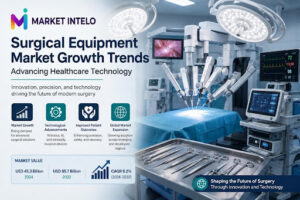
Another major development is the integration of robotics and computer-assisted systems. Robotic surgical instruments provide unparalleled precision, allowing surgeons to perform complex procedures with greater accuracy. Systems like the da Vinci Surgical System are already being used worldwide, enabling minimally invasive surgeries with enhanced control.
Material science has also played a significant role. Modern instruments are often made from high-grade stainless steel, titanium, or even advanced polymers. These materials are not only durable but also resistant to corrosion and easy to sterilize, ensuring long-term safety and reliability.
Additionally, the focus on ergonomics has improved the overall user experience for surgeons. Instruments are now designed to reduce hand fatigue and improve grip, which is especially important during long procedures. This might seem like a small detail, but it can make a huge difference in performance and outcomes.
The evolution of surgical instruments reflects the broader advancements in medicine and technology. From simple metal tools to sophisticated robotic systems, these innovations continue to push the boundaries of what’s possible in healthcare.
Classification of Surgical Instruments
For a deeper understanding of how these tools are categorized and used in real surgical settings, this detailed surgical instruments names and uses guide provides valuable insights for both beginners and professionals.
Cutting and Dissecting Instruments
When you think about surgery, the first image that probably comes to mind is a scalpel making a precise incision. That’s exactly where cutting and dissecting instruments come into play. These tools are specifically designed to cut through tissues cleanly and accurately, minimizing trauma and ensuring better healing outcomes. They are among the most fundamental instruments in any surgical setting, used across virtually every medical specialty worldwide.
The most common example is the scalpel, a small but incredibly sharp instrument used for making incisions. Modern scalpels often come with disposable blades to maintain hygiene and sharpness, reducing the risk of infection. Then there are surgical scissors, which are not your everyday scissors—they are designed with specific blade shapes and angles to cut tissues, sutures, or even delicate membranes. Some scissors are curved for better access to hard-to-reach areas, while others are straight for surface-level work.
Dissecting instruments also include tools like curettes and osteotomes, which are used for scraping or cutting bone. These are especially important in orthopedic and dental surgeries. The level of precision required here is extremely high because even a slight error can affect surrounding tissues or structures.
What makes these instruments so effective is their design and material. Most are made from high-quality stainless steel or titanium, ensuring they remain sharp and durable even after repeated use and sterilization. The sharpness of these tools is not just about efficiency—it directly impacts patient safety. A clean cut heals faster and reduces the risk of complications.
Globally, advancements in this category have led to the development of laser-based cutting tools and ultrasonic scalpels, which further enhance precision and reduce bleeding. These innovations show how even the most basic category of surgical instruments continues to evolve.
In simple terms, cutting and dissecting instruments are the starting point of any surgical procedure. They set the tone for everything that follows, making precision and reliability absolutely essential.
Grasping and Holding Instruments
Once an incision is made, the next challenge is handling tissues carefully without causing damage. That’s where grasping and holding instruments come in. These tools are designed to securely hold tissues, organs, or surgical materials, allowing surgeons to work with stability and control.
One of the most commonly used instruments in this category is the forceps. You can think of forceps as a highly specialized version of tweezers, but far more precise and versatile. There are different types of forceps for different purposes—some are designed to hold delicate tissues like blood vessels, while others are stronger and used for tougher structures.
Another essential tool is the needle holder, which is used during suturing. It allows surgeons to grip and maneuver needles with accuracy, ensuring that stitches are placed correctly. This might sound simple, but proper suturing is crucial for wound healing and minimizing scarring.
Grasping instruments are carefully designed to balance strength and gentleness. For example, some have serrated tips for a firm grip, while others have smooth surfaces to prevent tissue damage. This balance is critical because applying too much pressure can harm tissues, while too little can make the procedure difficult to perform.
In modern operating rooms, these instruments are often ergonomically designed to reduce hand fatigue. Surgeons may perform procedures that last several hours, so having tools that are comfortable to use can significantly impact performance.
From a global perspective, the importance of these instruments cannot be overstated. Whether it’s a complex heart surgery in a developed country or a basic procedure in a rural clinic, grasping and holding instruments are indispensable.
They may not always get the spotlight like scalpels or robotic systems, but without them, surgery would be nearly impossible. They provide the stability and precision needed to handle tissues safely, making them a cornerstone of surgical practice.
Clamping and Occluding Instruments
Imagine a situation during surgery where bleeding isn’t controlled—it would quickly become life-threatening. That’s exactly why clamping and occluding instruments are so important. These tools are designed to control blood flow, clamp vessels, and prevent excessive bleeding during procedures.
The most well-known instrument in this category is the hemostat. It’s used to clamp blood vessels and stop bleeding temporarily, allowing surgeons to work in a clear and controlled environment. Hemostats come in various sizes and designs, depending on the type of surgery and the size of the vessels involved.
Another important tool is the vascular clamp, which is specifically designed for delicate blood vessels. These clamps are engineered to apply just the right amount of pressure—enough to stop blood flow but not so much that it damages the vessel. This level of precision is crucial, especially in cardiovascular surgeries.
Clamping instruments are also used in procedures involving organs, where controlling fluid flow is necessary. For example, in gastrointestinal surgeries, clamps can be used to temporarily block sections of the intestine.
One of the key features of these instruments is their locking mechanism. Most clamps have a ratchet system that allows them to stay in place without constant manual pressure. This frees up the surgeon’s hands to focus on other aspects of the procedure.
Advancements in this field have led to the development of atraumatic clamps, which are designed to minimize tissue damage. These are particularly important in delicate surgeries where preserving tissue integrity is critical.
Globally, access to reliable clamping instruments is essential for safe surgical practices. In emergency situations, such as trauma cases, these tools can mean the difference between life and death.
In essence, clamping and occluding instruments act as the guardians of the surgical field. They control bleeding, maintain visibility, and ensure that procedures can be carried out safely and effectively.
Retracting and Exposing Instruments
Surgery isn’t just about cutting and holding—it’s also about visibility. Surgeons need a clear view of the area they’re working on, and that’s where retracting and exposing instruments come into play. These tools are used to hold back tissues, muscles, or organs, creating a clear pathway to the surgical site.
The most common example is the retractor. Retractors come in many shapes and sizes, depending on the type of surgery. Some are handheld, while others are self-retaining, meaning they can stay in place without being held. This is particularly useful in long procedures where maintaining a clear view is essential.
Retractors are designed to gently move tissues aside without causing damage. This might sound simple, but it requires a high level of precision. Applying too much force can injure tissues, while too little may not provide adequate visibility.
Another important instrument in this category is the speculum, often used in gynecological and ENT procedures. It helps open body cavities, allowing surgeons to examine and operate more effectively.
Modern retracting instruments are often designed with ergonomics and patient safety in mind. Some are equipped with lighting or camera systems, enhancing visibility even further. This is especially useful in minimally invasive surgeries, where the surgical field is limited.
From a global perspective, these instruments play a crucial role in improving surgical outcomes. Better visibility means more accurate procedures, reduced operating time, and lower risk of complications.
Think of retracting instruments as the “stage crew” of surgery—they don’t perform the main act, but they make everything else possible. Without them, even the most skilled surgeon would struggle to see and access the surgical site.
Common Types of Surgical Instruments
Scalpels, Forceps, and Scissors
If surgical instruments were a toolkit, then scalpels, forceps, and scissors would be the absolute essentials—tools that no operating room anywhere in the world can function without. These instruments are so fundamental that they are used in nearly every surgical procedure, regardless of complexity or specialization. Yet, what makes them truly fascinating is how something so simple in appearance can be so precisely engineered for life-saving work.
Let’s start with the scalpel, often considered the most iconic surgical instrument. It is designed for making extremely precise incisions with minimal tissue damage. Modern scalpels usually come with disposable blades, which ensures that every incision is made with a perfectly sharp edge. This not only improves accuracy but also significantly reduces the risk of infection. Surgeons often choose from different blade shapes and sizes depending on the procedure, showing how even a small variation can make a big difference.
Next comes the forceps, which are incredibly versatile. Whether it’s holding delicate tissues, removing small objects, or assisting in suturing, forceps are used constantly during surgery. Some are designed with fine tips for delicate work, while others are stronger for gripping tougher tissues. Their design allows surgeons to maintain control without applying excessive pressure, which is critical for preventing tissue damage.
Then there are surgical scissors, which go far beyond cutting sutures. They are designed to cut tissues with precision, and their shape—straight or curved—determines their function. Curved scissors, for example, are often used for deeper or more complex areas, while straight scissors are ideal for surface-level tasks.
What’s truly remarkable is how these instruments have evolved while maintaining their basic design. They are typically made from high-grade stainless steel, ensuring durability and resistance to corrosion. In many advanced healthcare systems, these tools are also coated or treated to enhance performance and longevity.
Across the globe, these three instruments form the backbone of surgical procedures. Whether in a high-tech hospital in the United States or a small clinic in a developing country, scalpels, forceps, and scissors are universally relied upon. They represent the perfect blend of simplicity and precision, proving that sometimes the most essential tools are also the most timeless.
Specialized Instruments for Different Surgeries
While basic instruments are used in almost every procedure, modern medicine has introduced a wide range of specialized surgical instruments tailored for specific types of surgeries. These tools are designed to meet the unique challenges of different medical fields, from cardiology to neurology and beyond.
For example, in cardiovascular surgery, surgeons use highly specialized instruments like vascular clamps and heart stabilizers. These tools are designed to work with delicate blood vessels and the beating heart, requiring an extraordinary level of precision. Even a minor error in this field can have serious consequences, which is why these instruments are engineered to the highest standards.
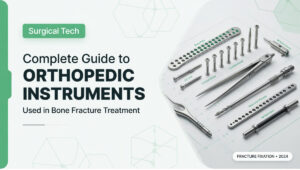
In orthopedic surgery, instruments such as bone saws, drills, and reamers are commonly used. These tools are built to handle hard tissues like bones, making them significantly different from instruments used in soft tissue surgeries. They are often powered devices, reflecting the increasing role of technology in modern surgical practices.
Similarly, neurosurgery requires extremely delicate instruments designed to operate on the brain and spinal cord. These include microsurgical tools that allow surgeons to work on tiny structures with incredible accuracy. Often, these instruments are used in conjunction with advanced imaging systems to ensure precision.
Another rapidly growing area is laparoscopic and minimally invasive surgery, which uses long, thin instruments inserted through small incisions. These tools often include cameras and specialized attachments, allowing surgeons to perform complex procedures without opening up the entire body. This approach reduces recovery time and improves patient outcomes, making it increasingly popular worldwide.
To better understand how these instruments differ, here’s a quick comparison:
Type of Surgery Common Instruments Used Key Feature
| Type of Surgery | Common Instruments Used | Key Feature |
|---|---|---|
| Cardiovascular | Vascular clamps, retractors | High precision |
| Orthopedic | Bone saws, drills | Strength & durability |
| Neurosurgery | Microsurgical tools | Extreme delicacy |
| Laparoscopic | Endoscopes, trocars | Minimally invasive |
These specialized instruments highlight how diverse and advanced the field of surgery has become. They are not just tools—they are carefully designed solutions to complex medical challenges. Across the global healthcare landscape, their role continues to expand, enabling procedures that were once thought impossible.
Materials Used in Surgical Instruments
Stainless Steel and Its Benefits
When it comes to surgical instruments, the material they are made from is just as important as their design. Among all materials, stainless steel stands out as the most widely used—and for good reason. It has become the gold standard in the medical field, trusted by healthcare professionals across the globe for its reliability, durability, and safety.
One of the biggest advantages of stainless steel is its resistance to corrosion. Surgical instruments are exposed to moisture, chemicals, and repeated sterilization processes, all of which can degrade inferior materials. Stainless steel, however, is designed to withstand these conditions without rusting or losing its integrity. This ensures that instruments remain safe and effective even after multiple uses.
Another key benefit is its strength and durability. Surgical procedures often require tools that can handle pressure without bending or breaking. Stainless steel provides the perfect balance—it is strong enough for demanding tasks yet flexible enough for precision work. This makes it suitable for a wide range of instruments, from scalpels to clamps.
Hygiene is another critical factor. Stainless steel has a smooth, non-porous surface, which makes it easy to clean and sterilize. This is essential in preventing infections and maintaining a sterile environment in the operating room. In fact, proper sterilization of surgical instruments has been shown to significantly reduce postoperative infection rates worldwide.
Cost-effectiveness also plays a role. While high-quality stainless steel instruments may have a higher initial cost, their durability means they last longer, making them a more economical choice in the long run. This is particularly important in developing countries, where healthcare resources may be limited.
From a global perspective, stainless steel has become the backbone of surgical instrument manufacturing. Its combination of strength, hygiene, and affordability makes it an ideal choice for healthcare systems of all sizes.
In simple terms, stainless steel is not just a material—it’s a critical component that ensures surgical instruments perform reliably, safely, and efficiently in every corner of the world.
Advanced Materials and Coatings
While stainless steel dominates the field, modern medicine is constantly pushing boundaries, leading to the development of advanced materials and coatings for surgical instruments. These innovations aim to enhance performance, improve durability, and meet the evolving needs of complex surgical procedures.
One such material is titanium, which is known for being incredibly lightweight yet strong. Titanium instruments are often used in specialized surgeries where precision and ease of handling are crucial. Because they are lighter than stainless steel, they reduce hand fatigue for surgeons, especially during long procedures.
Another exciting development is the use of ceramic materials. Ceramic instruments are extremely sharp and maintain their edge longer than traditional metal tools. They are also resistant to corrosion and do not react with bodily tissues, making them ideal for certain types of surgeries. However, they can be more brittle, which limits their use in high-impact applications.
Coatings have also revolutionized surgical instruments. For example, diamond-like carbon (DLC) coatings are applied to enhance hardness and reduce friction. This allows instruments to perform more smoothly and last longer. Similarly, anti-reflective coatings are used to reduce glare from operating room lights, improving visibility for surgeons.
Another important innovation is the development of antimicrobial coatings, which help reduce the risk of infection. These coatings inhibit the growth of bacteria on the surface of instruments, adding an extra layer of safety in surgical environments.
Globally, these advanced materials are becoming more common, especially in high-tech healthcare systems. However, their adoption is gradually spreading to developing regions as costs decrease and accessibility improves.
The use of advanced materials and coatings represents the future of surgical instruments. They not only enhance performance but also contribute to better patient outcomes, showing how even the smallest improvements in material science can have a significant impact on healthcare.
Sterilization and Maintenance
Importance of Sterilization
Let’s be real—no matter how advanced or expensive a surgical instrument is, it becomes dangerous if it isn’t properly sterilized. Sterilization is not just a routine step in healthcare; it’s a life-saving necessity. Every surgical instrument that comes into contact with a patient must be completely free of microorganisms, including bacteria, viruses, and fungi. Even the smallest contamination can lead to serious infections, complications, or in worst cases, fatalities.
Globally, healthcare-associated infections (HAIs) remain a major concern. According to international health reports, millions of patients are affected by these infections every year, many of which are preventable through proper sterilization practices. This highlights just how critical this process is—not just in advanced hospitals but in every healthcare setting around the world.
Sterilization ensures that surgical procedures are conducted in a safe and controlled environment. When instruments are properly sterilized, the risk of cross-contamination between patients is significantly reduced. This is especially important in surgeries involving open wounds, where the body is highly vulnerable to infections.
Another important aspect is trust. Patients place their lives in the hands of medical professionals, and proper sterilization plays a huge role in maintaining that trust. Imagine undergoing surgery knowing that the instruments being used might not be clean—it’s simply unacceptable. That’s why strict sterilization protocols are enforced in hospitals globally.
Different methods are used depending on the type of instrument. Some tools can withstand high temperatures, while others require more delicate handling. Regardless of the method, the goal remains the same: complete elimination of harmful microorganisms.
In essence, sterilization is the invisible shield that protects patients during surgery. It might not be as visible as the instruments themselves, but its importance cannot be overstated. Without it, even the most skilled surgical procedures would carry unacceptable risks.
Methods of Cleaning and Maintenance
Now, sterilization doesn’t just happen magically—it’s part of a broader process that includes cleaning and maintenance of surgical instruments. Think of it like taking care of a high-performance machine; if you don’t maintain it properly, it won’t perform as expected.
The first step is cleaning, which involves removing visible debris such as blood, tissue, or other contaminants. This is usually done immediately after a procedure to prevent materials from drying and becoming harder to remove. Instruments are often cleaned using specialized detergents and ultrasonic cleaners that can reach even the tiniest crevices.
Once cleaned, the instruments go through sterilization methods, which may include:
- Autoclaving (Steam Sterilization): Uses high-pressure steam to kill microorganisms. It’s one of the most common and effective methods.
- Ethylene Oxide Gas: Used for heat-sensitive instruments that cannot withstand high temperatures.
- Chemical Sterilization: Involves liquid disinfectants for delicate tools.
- Radiation Sterilization: Often used for pre-packaged, disposable instruments.
Maintenance is equally important. Instruments must be regularly inspected for signs of wear, such as dull edges, rust, or misalignment. A dull scalpel, for example, can cause more tissue damage than a sharp one, leading to slower healing and increased complications.
Lubrication is another key aspect, especially for instruments with moving parts like scissors or clamps. Proper lubrication ensures smooth operation and extends the lifespan of the tool.
From a global perspective, maintaining surgical instruments can be challenging, especially in low-resource settings. However, many organizations are working to provide training and equipment to ensure that even the most basic healthcare facilities can follow proper maintenance protocols.
In simple terms, cleaning and maintenance are what keep surgical instruments reliable and safe. They ensure that every tool performs at its best, every single time it’s used.
Safety and Handling of Surgical Instruments
Best Practices in Operating Rooms
Handling surgical instruments isn’t just about passing tools around—it’s a highly coordinated process that requires precision, discipline, and teamwork. In an operating room, every movement matters, and following best practices ensures that procedures are carried out safely and efficiently.
One of the most important practices is maintaining a sterile field. This means that all instruments and surfaces that come into contact with the surgical site must remain sterile at all times. Surgical staff are trained to handle instruments in a way that prevents contamination, often using sterile gloves and specialized techniques.
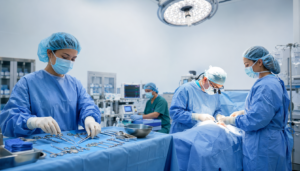
Another key aspect is instrument organization. Before a procedure begins, instruments are carefully arranged in a specific order based on the steps of the surgery. This allows the surgical team to access the right tool quickly, reducing delays and improving efficiency.
Communication also plays a crucial role. Surgeons and assistants often use standardized terminology when requesting instruments to avoid confusion. In a high-pressure environment, clear communication can make a significant difference.
Proper handling techniques are essential to prevent injuries. Many surgical instruments are sharp or pointed, so they must be passed carefully to avoid accidental cuts or punctures. For example, a “neutral zone” technique is often used, where instruments are placed in a designated area rather than handed directly from one person to another.
Training and experience are critical. Healthcare professionals undergo extensive training to learn how to handle instruments correctly. This ensures not only their safety but also the safety of the patient.
Globally, these best practices are standardized to ensure consistency in surgical care. Whether in a developed or developing country, the principles of safe handling remain the same.
In short, proper handling of surgical instruments is a combination of skill, discipline, and teamwork. It ensures that surgeries are performed smoothly, safely, and with the highest level of precision.
Risks and Prevention Strategies
Despite all precautions, there are still risks associated with surgical instruments. These risks can affect both patients and healthcare workers, making it essential to understand and address them effectively.
One of the most common risks is infection, often caused by improper sterilization or handling. Even a minor lapse in protocol can introduce harmful microorganisms into the surgical site. This is why strict sterilization and hygiene practices are non-negotiable.
Another significant risk is injury to healthcare workers, such as cuts or needle-stick injuries. These can occur when handling sharp instruments and may expose workers to infectious diseases. To minimize this risk, safety protocols like using protective gear and proper handling techniques are strictly enforced.
There’s also the risk of instrument failure. A damaged or poorly maintained instrument can break or malfunction during a procedure, potentially causing complications. Regular inspection and maintenance help prevent such issues.
Prevention strategies include:
- Strict adherence to sterilization protocols
- Regular training and skill updates for medical staff
- Use of high-quality, well-maintained instruments
- Implementation of safety systems and checklists
Technology is also playing a role in reducing risks. For example, some modern instruments are designed with safety features that minimize the chance of injury. Additionally, digital tracking systems help ensure that all instruments are accounted for before and after surgery.
From a global perspective, addressing these risks is a shared responsibility. International health organizations continue to promote best practices and provide resources to improve surgical safety worldwide.
Ultimately, understanding risks and implementing effective prevention strategies is what makes modern surgery safer than ever before. It’s about being proactive, vigilant, and committed to the highest standards of care.
Future Trends in Surgical Instruments
Robotics and AI Integration
The future of surgical instruments is not just about sharper blades or stronger materials—it’s about intelligence. The integration of robotics and artificial intelligence (AI) is transforming the way surgeries are performed, making them more precise, efficient, and accessible across the globe.
Robotic surgical systems, such as the widely known da Vinci system, allow surgeons to perform complex procedures with enhanced precision. These systems translate the surgeon’s hand movements into smaller, more accurate actions using robotic arms. This reduces the risk of human error and allows for minimally invasive procedures, which means smaller incisions, less pain, and faster recovery for patients.
AI is also playing a growing role. It can assist in analyzing data, guiding surgical decisions, and even predicting potential complications. Imagine having a system that can alert a surgeon in real-time about possible risks—that’s the power of AI in modern healthcare.
Globally, the adoption of robotic surgery is increasing, especially in developed countries. However, efforts are being made to make these technologies more affordable and accessible to developing regions.
This trend represents a major shift in how we think about surgical instruments. They are no longer just tools—they are becoming intelligent systems that enhance human capabilities.
Smart Instruments and Innovation
Beyond robotics, the next generation of surgical tools includes smart instruments equipped with sensors and connectivity features. These instruments can provide real-time feedback, such as measuring pressure or detecting tissue types, helping surgeons make more informed decisions.
For example, some smart scalpels can differentiate between healthy and diseased tissue, reducing the risk of accidental damage. Others can monitor vital signs or provide visual guidance during procedures.
Innovation is also focusing on sustainability, with the development of reusable and eco-friendly instruments. This is particularly important as healthcare systems worldwide aim to reduce their environmental impact.
The future of surgical instruments is incredibly exciting. With continuous advancements in technology, these tools will become even more precise, safer, and more efficient.
Conclusion
Surgical instruments are far more than simple tools—they are the foundation of modern medicine. From basic scalpels to advanced robotic systems, they enable healthcare professionals to perform life-saving procedures with precision and confidence. Their evolution reflects the progress of medical science, constantly adapting to meet the needs of patients worldwide.
Understanding these instruments, their types, materials, and proper handling, gives us a deeper appreciation of the complexity behind every surgical procedure. As technology continues to advance, the future promises even greater innovations, making surgeries safer and more effective for everyone.
FAQs
What are surgical instruments used for?
Surgical instruments are used to perform specific tasks during medical procedures, such as cutting, holding, clamping, and suturing tissues.
What is the most common surgical instrument?
The scalpel is one of the most commonly used instruments due to its role in making precise incisions.
Why is sterilization important?
Sterilization prevents infections by eliminating harmful microorganisms from surgical instruments.
What materials are used in surgical instruments?
Common materials include stainless steel, titanium, and advanced ceramics.
What is the future of surgical instruments?
The future includes robotics, AI integration, and smart instruments that enhance precision and safety.
Medical Disclaimer
”The information provided in this article is intended for educational and informational purposes only and is designed for a global audience. It is not intended to replace professional medical advice, diagnosis, or treatment. Always seek the advice of a qualified healthcare provider, surgeon, or medical professional with any questions you may have regarding a medical condition or surgical procedure.”
References & Sources
- World Health Organization (WHO) – Safe Surgery Guidelines
https://www.who.int/teams/integrated-health-services/patient-safety/research/safe-surgery - Centers for Disease Control and Prevention (CDC) – Guideline for Disinfection and Sterilization in Healthcare Facilities
https://www.cdc.gov/infectioncontrol/guidelines/disinfection/ - National Institutes of Health (NIH) – Surgical Instruments and Procedures Overview
https://www.nih.gov/ - U.S. Food and Drug Administration (FDA) – Medical Devices (Surgical Instruments)
https://www.fda.gov/medical-devices - Association of periOperative Registered Nurses (AORN) – Guidelines for Perioperative Practice
https://www.aorn.org/guidelines - MedlinePlus – Surgery and Surgical Procedures
https://medlineplus.gov/surgery.html - Royal College of Surgeons – Surgical Standards and Instrumentation
https://www.rcseng.ac.uk/ - Mayo Clinic – Surgical Care and Safety
https://www.mayoclinic.org/ - Johns Hopkins Medicine – Surgical Procedures and Tools
https://www.hopkinsmedicine.org/ - Your Internal Resource – Surgical Instruments Names and Uses Guide
https://surgicalteck.com/surgical-instruments-names-and-uses-guide/