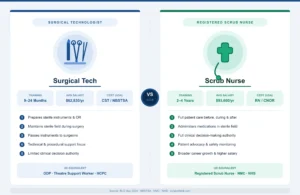
Surgical Technologist vs Scrub Nurse: What’s the Difference? Education, Salary, Duties & Career Guide (2026)
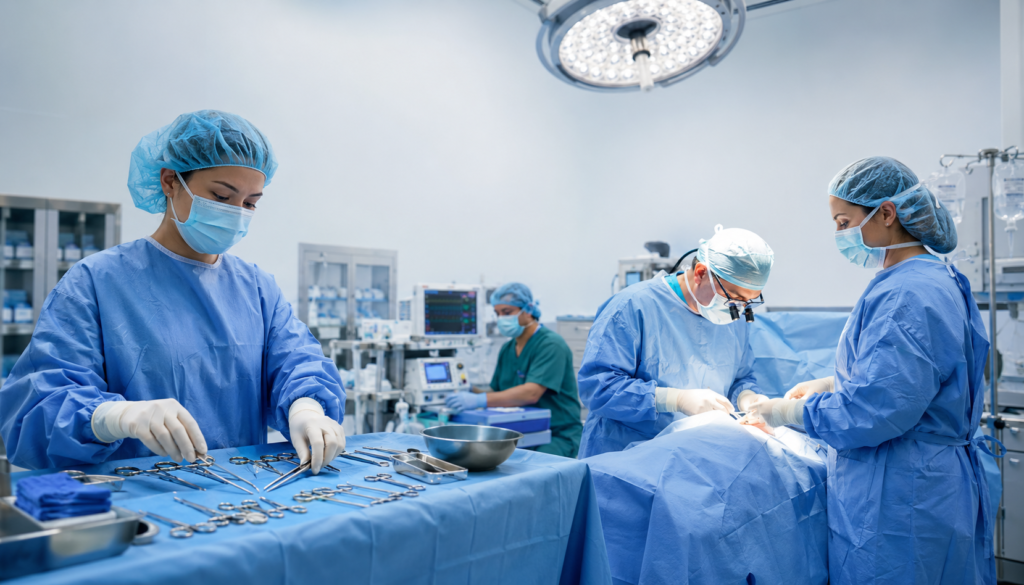
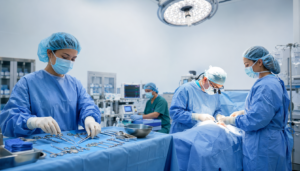
A Surgical Technologist and a Scrub Nurse collaborate with the surgical team to maintain a sterile field and support safe patient care during an operation.
Surgical Technologist vs Scrub Nurse
Choosing a career in the operating room can be confusing because many job titles sound similar. One of the most common questions students ask is, “What’s the difference between a Surgical Technologist and a Scrub Nurse?”
At first glance, both professionals appear to perform the same job. They wear sterile gowns and gloves, stand beside the surgeon, pass instruments, and help keep the surgical field sterile. Because they often work side by side, many people assume they have the same education and responsibilities.
They do not.
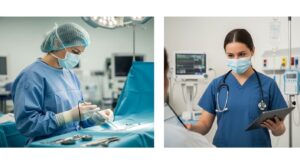
A Surgical Technologist is an allied health professional trained to prepare the operating room, maintain the sterile field, and support surgeons throughout an operation. A Scrub Nurse, also called an Operating Room Nurse or Perioperative Registered Nurse, is a licensed Registered Nurse (RN) who combines scrub duties with professional nursing responsibilities such as patient assessment, medication management within the RN scope of practice, and clinical decision-making.
Understanding these differences is important if you’re deciding which healthcare career best fits your goals.
This guide compares both professions in depth, including:
- Education requirements
- Licensure and certification
- Daily responsibilities
- Scope of practice
- Salary factors
- Career advancement
- Job outlook
- Operating room teamwork
- Which career may be the better fit for you
Whether you’re a high school graduate exploring healthcare careers, a nursing student, a Surgical Technology student, or someone considering a career change, this guide will help you make an informed decision.
Quick Answer
A Surgical Technologist prepares surgical instruments, maintains the sterile field, and assists the surgical team during operations. A Scrub Nurse is a licensed Registered Nurse who performs scrub duties while also providing perioperative nursing care, applying clinical judgment, and managing patient-related responsibilities within the RN scope of practice. Although both roles collaborate during surgery, only the Scrub Nurse practices under a nursing license.
What is the difference between a Surgical Technologist and a Scrub Nurse?
A Surgical Technologist focuses on sterile technique, surgical instruments, and procedural support. A Scrub Nurse is a licensed Registered Nurse who performs scrub duties while also providing nursing care, assessing patients, documenting care, and administering medications according to the RN scope of practice and employer policies.
Surgical Technologist vs Scrub Nurse: Quick Comparison
| Feature | Surgical Technologist | Scrub Nurse |
|---|---|---|
| Profession | Allied Health Professional | Registered Nurse (RN) |
| Primary Focus | Surgical support | Patient care and surgical support |
| Education | Certificate, Diploma or Associate Degree | ADN or BSN |
| Nursing License | Not required in most jurisdictions | Required |
| Certification | CST or TS-C (often employer dependent) | RN License, CNOR (optional specialty certification) |
| Patient Assessment | No | Yes |
| Medication Administration | Limited by employer policy and regulations | Yes, within RN scope of practice |
| Surgical Instrument Handling | Primary responsibility | Performs when assigned to the scrub role |
| Career Flexibility | Operating room specialties | Multiple nursing specialties |
| Typical Workplaces | Hospitals, ambulatory surgery centers | Hospitals, surgery centers, specialty clinics |
Note: Scope of practice, certification requirements, and salary vary by employer, state, and country. Always verify current regulations with the appropriate licensing boards and employers.
Why Do People Confuse These Two Careers?
The confusion exists because both professionals work inside the sterile field during surgery.
During a typical procedure, the surgeon may ask for a scalpel, forceps, or needle holder. Whether that instrument is handed over by a Surgical Technologist or a Scrub Nurse depends on staffing, employer policies, and the healthcare facility.
From a patient’s perspective, both professionals appear to perform identical tasks.
Behind the scenes, however, their education, legal authority, and professional responsibilities are very different.
For example:
- A Surgical Technologist specializes in preparing instruments, maintaining aseptic technique, and supporting the surgeon throughout the procedure.
- A Scrub Nurse performs many of those same technical tasks while also carrying responsibilities that require professional nursing education and RN licensure.
Understanding this distinction helps explain why hospitals employ both professions as complementary members of the surgical team rather than interchangeable roles.
How the Operating Room Team Works Together
Modern surgery depends on teamwork. Every member of the operating room (OR) has a defined role that contributes to patient safety and procedural efficiency.
A typical surgical team includes:
| Team Member | Primary Responsibility |
|---|---|
| Surgeon | Performs the operation |
| Surgical First Assistant | Assists the surgeon with exposure, suturing, and other intraoperative tasks within their scope |
| Surgical Technologist | Prepares instruments, maintains sterility, and supports the procedure |
| Scrub Nurse | Performs scrub duties while providing perioperative nursing care |
| Circulating Nurse | Coordinates care outside the sterile field, documents the procedure, and manages resources |
| Anesthesiologist or CRNA | Administers anesthesia and monitors the patient’s physiological status |
| Sterile Processing Department (SPD) | Cleans, sterilizes, and prepares reusable surgical instruments |
Each role is different, but all team members share responsibility for patient safety.
Why Are These Roles Important?
Every surgical procedure involves potential risks, including:
- Surgical site infections (SSIs)
- Retained surgical items
- Equipment failures
- Medication errors
- Breaks in sterile technique
The Surgical Technologist and Scrub Nurse help reduce these risks by working together throughout every stage of the procedure.
Examples include:
- Verifying instrument counts according to facility protocols.
- Maintaining the sterile field.
- Identifying contamination immediately.
- Communicating concerns to the surgical team.
- Supporting the World Health Organization (WHO) Surgical Safety Checklist or the facility’s approved surgical safety process.
Research consistently shows that effective communication and standardized safety practices improve patient outcomes in the operating room.
What Is a Surgical Technologist?
A Surgical Technologist, often called a Surgical Tech, is an allied health professional who prepares the operating room, organizes surgical instruments, maintains the sterile field, and assists surgeons before, during, and after surgery.
Rather than providing comprehensive nursing care, Surgical Technologists focus on the technical aspects of surgery. Their work helps create a safe, organized, and sterile environment that allows the surgeon to perform procedures efficiently.
Without Surgical Technologists, operating room workflow would become slower, less organized, and more vulnerable to contamination.
What Does a Surgical Technologist Do?
The primary responsibility of a Surgical Technologist is to support safe surgery through sterile technique, procedural preparation, and effective collaboration with the surgical team. If you’d like a more detailed breakdown of the role, read our complete guide on What Does a Surgical Technologist Do?
Before Surgery
- Prepare the operating room.
- Verify sterilized instrument trays.
- Open sterile supplies using aseptic technique.
- Arrange surgical instruments on the back table and Mayo stand.
- Check surgical equipment.
- Assist with surgical counts according to facility policy.
During Surgery
- Pass instruments to the surgeon.
- Prepare sutures, dressings, and implants.
- Maintain the sterile field.
- Anticipate the surgeon’s next instrument request.
- Monitor sterile supplies.
- Handle specimens according to hospital procedures.
After Surgery
- Perform final counts with the surgical team.
- Assist with specimen handling.
- Prepare instruments for reprocessing.
- Help clean and reset the operating room for the next patient.
Every responsibility contributes to patient safety, efficient workflow, and infection prevention.
What Skills Make an Excellent Surgical Technologist?
Successful Surgical Technologists combine technical expertise with strong teamwork.
Essential skills include:
- Sterile technique
- Surgical instrument identification
- Manual dexterity
- Attention to detail
- Critical thinking
- Communication
- Time management
- Adaptability
- Situational awareness
- Infection prevention knowledge
- Professional ethics
A Surgical Technologist must remain focused throughout the procedure because even a small break in sterile technique can increase the risk of contamination.
A Real Operating Room Scenario
A patient arrives for a laparoscopic appendectomy. Before the patient enters the operating room duties, the Surgical Technologist checks the laparoscopic camera system, verifies that sterilization indicators are acceptable, prepares trocar instruments, arranges laparoscopic graspers, and organizes sutures on the sterile field.
Midway through the operation, the surgeon requests an endoscopic retrieval bag without advance notice. The Surgical Technologist immediately recognizes the request, retrieves the sterile device from the back table, and places it into the surgeon’s hand without interrupting the flow of the procedure.
This ability to anticipate surgical needs is one of the defining characteristics of an experienced Surgical Technologist.
Key Takeaway
A Surgical Technologist is an essential member of the surgical team who specializes in sterile field management, surgical instrumentation, and procedural support. Although the role shares some responsibilities with a Scrub Nurse, it follows a different education pathway, does not require RN licensure, and focuses primarily on the technical aspects of surgery.
In the next section, you’ll learn what a Scrub Nurse does, how the role differs from a Surgical Technologist, and why nursing education expands the scope of responsibilities inside the operating room.
What Is a Scrub Nurse?
A Scrub Nurse is a Registered Nurse (RN) who works within the sterile field during surgical procedures. While handing instruments to the surgeon is one of the most visible parts of the job, it represents only a portion of the role. A Scrub Nurse combines technical surgical support with professional nursing knowledge to help ensure patient safety throughout the operation.
Unlike a Surgical Technologist, a Scrub Nurse practices under an active nursing license. This means the role includes responsibilities that require nursing education, clinical judgment, and compliance with state nursing regulations and employer policies.
Scrub Nurses are part of the broader field of perioperative nursing, which focuses on caring for patients before, during, and after surgery.
What Does a Scrub Nurse Do?
The responsibilities of a Scrub Nurse begin long before the first incision and continue until the patient leaves the operating room.
Rather than concentrating only on instruments, Scrub Nurses continuously balance technical tasks with nursing responsibilities. They monitor the surgical environment, anticipate the needs of the surgeon, and help protect the patient throughout the procedure.
Typical responsibilities include:
- Preparing the sterile field.
- Organizing instruments and surgical supplies.
- Verifying required equipment for the scheduled procedure.
- Passing sterile instruments, sutures, and implants.
- Preparing medications within the sterile field when permitted by employer policy and applicable regulations.
- Monitoring sterile technique.
- Participating in surgical counts according to facility protocols.
- Supporting documentation responsibilities as assigned.
- Communicating changes or concerns to the surgical team.
- Advocating for patient safety throughout the procedure.
Every task contributes to a safe, efficient, and well-coordinated surgical environment.
A Day in the Life of a Scrub Nurse
Although every specialty has its own workflow, the structure of the day is similar across most operating rooms.
Before Surgery
Preparation begins before the patient enters the operating room.
The Scrub Nurse may:
- Review the planned procedure.
- Confirm required instruments and supplies.
- Prepare the sterile field.
- Verify equipment availability.
- Assist with the surgical safety checklist.
- Coordinate with the circulating nurse and anesthesia team.
Careful preparation helps reduce delays and supports efficient workflow once surgery begins.
During Surgery
Once the operation starts, the Scrub Nurse works continuously within the sterile field.
Responsibilities may include:
- Passing instruments to the surgeon.
- Preparing sutures and implants.
- Maintaining sterile technique.
- Monitoring for contamination.
- Assisting with surgical counts.
- Preparing medications according to hospital policy and applicable regulations.
- Communicating with the surgical team when additional equipment or supplies are needed.
An experienced Scrub Nurse also anticipates the next step of the procedure, allowing the surgeon to maintain focus on the operation.
After Surgery
The Scrub Nurse remains involved after the final suture is placed.
Postoperative responsibilities often include:
- Completing final instrument and sponge counts with the surgical team according to facility policy.
- Assisting with specimen handling.
- Preparing the sterile field for breakdown.
- Supporting patient transfer to the circulating nurse or post-anesthesia care team.
- Completing assigned perioperative documentation.
The procedure is not considered complete until all safety protocols have been followed.
How Does a Scrub Nurse Support Patient Safety?
Patient safety is the foundation of perioperative nursing.
Every action performed in the operating room is designed to reduce preventable complications such as infection, retained surgical items, medication errors, or communication failures.
A Scrub Nurse supports patient safety by:
- Following evidence-based aseptic technique.
- Identifying contamination immediately.
- Participating in standardized surgical counts.
- Supporting the facility’s surgical safety checklist.
- Maintaining clear communication with the surgeon, anesthesia provider, and circulating nurse.
- Confirming that sterile supplies remain uncompromised throughout the procedure.
Professional organizations such as the Association of periOperative Registered Nurses (AORN) publish evidence-based guidelines that many healthcare organizations use to support safe perioperative practice.
What Is Perioperative Nursing?
Perioperative nursing is a nursing specialty dedicated to the care of surgical patients.
The term perioperative refers to the entire surgical journey:
- Preoperative: Care before surgery.
- Intraoperative: Care during surgery.
- Postoperative: Care after surgery.
A Scrub Nurse primarily works during the intraoperative phase but understands how events before and after surgery influence patient outcomes.
This broader perspective is one reason nursing education differs from Surgical Technology education.
Education Requirements for a Scrub Nurse
Every Scrub Nurse begins by becoming a Registered Nurse.
The two most common educational pathways are:
| Education Pathway | Typical Duration | Outcome |
|---|---|---|
| Associate Degree in Nursing (ADN) | About 2 years | Eligible to take the NCLEX-RN |
| Bachelor of Science in Nursing (BSN) | About 4 years | Eligible to take the NCLEX-RN with additional coursework in leadership, research, and public health |
After graduating, candidates must pass the National Council Licensure Examination for Registered Nurses (NCLEX-RN) and obtain an active state nursing license before practicing as an RN.
Many hospitals then provide additional perioperative orientation or residency programs for nurses entering the operating room.
Skills Every Scrub Nurse Needs
Technical knowledge alone is not enough to succeed in the operating room.
Scrub Nurses combine nursing expertise with teamwork and strong communication.
Essential skills include:
- Clinical judgment.
- Critical thinking.
- Sterile technique.
- Medication safety.
- Surgical instrument identification.
- Communication.
- Team collaboration.
- Attention to detail.
- Adaptability.
- Professional accountability.
- Time management.
- Emotional resilience.
These skills allow Scrub Nurses to respond effectively when unexpected situations arise during surgery.
Real-World Operating Room Scenario
A patient is undergoing an emergency bowel resection. During the procedure, the surgeon requests additional vascular clamps because of unexpected bleeding.
The Scrub Nurse immediately retrieves the requested sterile instruments, confirms that all items remain within the sterile field, and communicates with the circulating nurse to obtain additional supplies. At the same time, the nurse remains aware of medication requests, surgical counts, and the patient’s overall safety.
This example illustrates that the role extends beyond instrument handling. The Scrub Nurse applies nursing knowledge while supporting every stage of the procedure.
Key Differences Between a Scrub Nurse and a Surgical Technologist
Although both professionals may perform scrub duties, their professional preparation is different.
A Scrub Nurse:
- Holds an active Registered Nurse license.
- Completes nursing education.
- Applies clinical judgment.
- Participates in nursing care.
- Works within the legal scope of nursing practice.
A Surgical Technologist:
- Completes specialized surgical technology education.
- Focuses on sterile field management and surgical support.
- Does not practice under an RN license.
- Has a different legal scope of practice.
Understanding these differences helps explain why both professionals remain valuable members of the operating room team.
Key Takeaway
A Scrub Nurse is more than an instrument specialist. The role combines sterile surgical assistance with licensed nursing practice, patient advocacy, clinical judgment, and perioperative care. While Surgical Technologists and Scrub Nurses often work side by side, their education, licensure, and scope of practice clearly distinguish the two professions.
The next section compares both careers side by side, including education, certification, responsibilities, salary factors, decision-making authority, and long-term career opportunities.
Surgical Technologist vs Scrub Nurse: Key Differences
Surgical Technologists and Scrub Nurses work toward the same goal—safe, efficient surgical care—but they reach that goal through different education pathways, legal responsibilities, and professional scopes of practice.
The easiest way to understand the distinction is to compare each aspect of the profession individually.
At a Glance: Surgical Technologist vs Scrub Nurse
| Feature | Surgical Technologist | Scrub Nurse |
|---|---|---|
| Profession | Allied health professional | Registered Nurse (RN) |
| Primary Focus | Surgical support and sterile field management | Perioperative nursing care and surgical support |
| Education | Certificate, Diploma, or Associate Degree in Surgical Technology | Associate Degree in Nursing (ADN) or Bachelor of Science in Nursing (BSN) |
| RN License | Not required | Required |
| Common Credentials | CST, TS-C | RN License, CNOR (optional) |
| Performs Nursing Assessments | No | Yes |
| Administers Medications | Limited by employer policy and applicable regulations | Yes, within the RN scope of practice |
| Clinical Decision-Making | Procedural and technical | Nursing and clinical |
| Career Flexibility | Primarily surgical services | Multiple nursing specialties |
| Typical Employers | Hospitals, ambulatory surgery centers | Hospitals, surgery centers, specialty clinics |
Although these roles overlap during surgery, they are not interchangeable professions.
Education and Training
The first major difference is education.
Surgical Technologist
Surgical Technologists complete specialized education focused on the operating room. Coursework typically includes:
- Human anatomy and physiology
- Medical terminology
- Surgical procedures
- Sterile technique
- Surgical instrumentation
- Infection prevention
- Clinical rotations in operating rooms
Training is designed to prepare graduates for technical responsibilities during surgery.
Scrub Nurse
Scrub Nurses first become Registered Nurses. Nursing education includes a broader curriculum, such as:
- Health assessment
- Pharmacology
- Pathophysiology
- Adult and pediatric nursing
- Maternal health
- Mental health nursing
- Evidence-based practice
- Clinical leadership
After graduation, candidates must pass the NCLEX-RN and obtain state licensure before working as an RN.
Why it matters: Nursing education prepares professionals to care for patients across many healthcare settings, while Surgical Technology education concentrates on surgical procedures and the sterile environment.
Licensure and Certification
Another important difference is professional regulation.
Surgical Technologist
Most Surgical Technologists are not licensed under a state nursing board. Many employers prefer or require certification such as:
- Certified Surgical Technologist (CST) from the National Board of Surgical Technology and Surgical Assisting (NBSTSA).
- Tech in Surgery–Certified (TS-C) from the National Center for Competency Testing (NCCT).
Certification requirements vary by employer and jurisdiction.
Scrub Nurse
Every Scrub Nurse must hold an active Registered Nurse (RN) license.
Many experienced perioperative nurses also pursue the Certified Nurse Operating Room (CNOR) credential, administered by the Competency & Credentialing Institute (CCI). CNOR is a specialty certification and does not replace RN licensure.
Key distinction: An RN license is a legal requirement for nursing practice. Professional certifications recognize additional knowledge and expertise.
Scope of Practice
Scope of practice defines the activities a healthcare professional is legally authorized and educated to perform.
Surgical Technologist Scope
A Surgical Technologist typically:
- Prepares the operating room.
- Maintains the sterile field.
- Organizes surgical instruments.
- Passes instruments and supplies.
- Assists with surgical counts according to facility policy.
- Supports the surgeon throughout the procedure.
Scrub Nurse Scope
A Scrub Nurse may also:
- Perform nursing assessments as appropriate to the role.
- Apply clinical judgment.
- Administer medications within the RN scope of practice and employer policy.
- Document nursing care as assigned.
- Advocate for the patient.
- Collaborate with anesthesia providers and other nursing staff.
While both professionals support surgery, the Scrub Nurse has additional responsibilities because of nursing education and licensure.
Patient Care Responsibilities
Patient care is another area where the professions differ.
Surgical Technologist
Patient interaction often focuses on procedural preparation and safe surgical support. Depending on the facility and role, a Surgical Technologist may assist with patient positioning, equipment preparation, or safe transfers.
Scrub Nurse
A Scrub Nurse provides perioperative nursing care that may include:
- Reviewing the patient’s medical record.
- Assessing patient needs within the RN role.
- Monitoring for concerns during the procedure.
- Supporting safe medication practices.
- Participating in postoperative handoff communication.
This broader patient-care perspective is a defining feature of professional nursing.
Medication Handling
Medication management requires careful attention because regulations differ by jurisdiction and employer.
Surgical Technologist
Medication-related responsibilities are generally limited and must follow employer policies and applicable regulations. Surgical Technologists should perform only those tasks permitted within their role.
Scrub Nurse
Scrub Nurses may prepare, verify, label, and administer medications within the RN scope of practice, organizational policy, and applicable laws.
Medication safety remains a shared responsibility across the surgical team.
Clinical Decision-Making
Clinical judgment is one of the clearest distinctions between the professions.
Surgical Technologist
Surgical Technologists make technical and procedural decisions related to:
- Sterile technique.
- Instrument organization.
- Surgical workflow.
- Equipment readiness.
Scrub Nurse
Scrub Nurses also apply nursing judgment by:
- Recognizing changes that may affect patient safety.
- Communicating concerns to the surgical team.
- Prioritizing nursing interventions within their scope.
- Supporting evidence-based perioperative care.
Clinical decision-making reflects the broader responsibilities associated with RN licensure.
Salary Comparison
Compensation varies according to:
- Geographic location.
- Years of experience.
- Employer.
- Surgical specialty.
- Shift differentials.
- Professional certifications.
In many healthcare systems, Scrub Nurses earn more than Surgical Technologists because they complete more extensive education, hold an RN license, and perform additional clinical responsibilities.
Current salary information should always be verified through reliable sources such as the U.S. Bureau of Labor Statistics (BLS) or local workforce agencies.
Career Growth
Both professions offer opportunities for advancement, but the available pathways differ.
Surgical Technologist Career Options
Common advancement opportunities include:
- Surgical First Assistant
- Specialty Surgical Technologist
- Clinical Educator
- Surgical Services Supervisor
- Medical Device Clinical Specialist
- Sterile Processing Leadership
Scrub Nurse Career Options
Registered Nurses may advance into roles such as:
- Charge Nurse
- Nurse Manager
- Clinical Educator
- Registered Nurse First Assistant (RNFA)
- Operating Room Director
- Nurse Practitioner (NP)
- Clinical Nurse Specialist (CNS)
Nursing offers greater flexibility because an RN license allows movement into many clinical specialties beyond the operating room.
Real-World Comparison
Imagine two professionals preparing for the same orthopedic surgery.
The Surgical Technologist checks the instrument trays, arranges implants on the sterile field, verifies equipment, and prepares the operating room for the surgeon.
The Scrub Nurse also prepares the sterile field but reviews the patient’s nursing information, ensures medication preparation follows hospital policy, collaborates with the circulating nurse, and applies nursing judgment throughout the procedure.
When the surgeon requests instruments, both professionals may assist within their assigned roles. The difference is that the Scrub Nurse combines technical support with licensed nursing responsibilities.
Which Role Has More Responsibility?
Both roles carry significant responsibility, but the responsibilities are different rather than greater or lesser.
A Surgical Technologist is responsible for maintaining sterility, organizing instruments, and supporting the technical flow of surgery.
A Scrub Nurse is responsible for those scrub-related duties while also meeting professional nursing standards established through education, licensure, and employer policies.
Rather than comparing importance, it is more accurate to recognize that both professions depend on each other to achieve safe surgical outcomes.
Key Takeaway
The biggest difference between a Surgical Technologist and a Scrub Nurse is scope of practice. Surgical Technologists specialize in sterile technique, instrumentation, and procedural support. Scrub Nurses perform many of the same scrub duties while also practicing as licensed Registered Nurses with responsibilities that include clinical judgment, patient advocacy, medication management within scope, and perioperative nursing care.
In the next section, you’ll discover the similarities between these professions and how they work together as members of the operating room team to deliver safe, efficient surgical care.
Similarities Between Surgical Technologists and Scrub Nurses
Although Surgical Technologists and Scrub Nurses have different education pathways, licensure requirements, and scopes of practice, they share many responsibilities inside the operating room. Both professionals are essential members of the surgical team and work together to support safe, efficient surgical care.
Their collaboration helps reduce surgical complications, maintain sterile conditions, and ensure that procedures proceed as planned.
Both Work in the Operating Room
The primary workplace for both Surgical Technologists and Scrub Nurses is the Operating Room (OR). They participate in a wide range of surgical procedures, including:
- General surgery
- Orthopedic surgery
- Cardiovascular surgery
- Neurosurgery
- Obstetric and gynecologic surgery
- Urologic surgery
- Plastic and reconstructive surgery
- Pediatric surgery
Many professionals in both roles also work in ambulatory surgery centers, specialty hospitals, and outpatient surgical facilities.
Both Maintain the Sterile Field
Maintaining sterility is one of the most important responsibilities shared by both professions.
The sterile field includes sterile instruments, supplies, drapes, and areas surrounding the surgical site. Both professionals follow strict aseptic technique to help reduce the risk of surgical site infections (SSIs).
Common responsibilities include:
- Preparing sterile instruments.
- Opening sterile supplies correctly.
- Monitoring for contamination.
- Replacing contaminated equipment when necessary.
- Following infection prevention protocols.
Even a minor break in sterile technique can increase the risk of complications, making constant attention to detail essential.
Both Assist the Surgeon During Surgery
During an operation, both Surgical Technologists and Scrub Nurses support the surgeon by ensuring that the correct instruments and supplies are available when needed.
Depending on the procedure and facility policies, both may:
- Pass surgical instruments.
- Present sutures and dressings.
- Prepare specialized equipment.
- Organize the sterile back table.
- Anticipate the surgeon’s next request.
Efficient teamwork helps reduce unnecessary delays and supports a smooth surgical workflow.
Both Handle Surgical Instruments
Knowledge of surgical instruments is essential for both professions.
They must recognize and correctly use hundreds of instruments, including:
- Scalpels
- Forceps
- Needle holders
- Hemostats
- Surgical scissors
- Retractors
- Suction devices
- Laparoscopic instruments
Understanding each instrument’s purpose allows the surgical team to work efficiently throughout the procedure.
Both Participate in Surgical Counts
Surgical counts are an important patient safety practice designed to prevent retained surgical items.
Following facility policies, members of the surgical team work together to account for items such as:
- Sponges
- Needles
- Blades
- Instruments
- Small miscellaneous items
Counts are typically performed before the procedure begins, before wound closure, and at the end of surgery.
Both Prioritize Patient Safety
Every action in the operating room is centered on patient safety.
Both Surgical Technologists and Scrub Nurses contribute by:
- Maintaining sterile technique.
- Identifying potential contamination.
- Confirming instrument availability.
- Supporting standardized safety processes.
- Communicating concerns promptly.
- Helping create an organized surgical environment.
Patient safety depends on the coordinated efforts of the entire surgical team rather than any single professional.
Both Communicate Continuously
Clear communication is essential during every surgical procedure.
Both professionals regularly communicate with:
- Surgeons
- Surgical First Assistants
- Circulating Nurses
- Anesthesiologists
- Certified Registered Nurse Anesthetists (CRNAs)
- Sterile Processing Department (SPD) staff
Effective communication helps ensure that equipment, supplies, and patient needs are addressed without unnecessary interruptions.
Both Respond to Unexpected Situations
Surgery can change quickly. Equipment failures, unexpected bleeding, or additional instrumentation needs require the surgical team to respond promptly.
Both Surgical Technologists and Scrub Nurses must:
- Remain calm under pressure.
- Adapt to changing surgical conditions.
- Maintain sterile technique during emergencies.
- Communicate clearly with other team members.
- Support efficient problem-solving.
Preparation and teamwork are critical when unexpected situations arise.
Shared Skills
Successful Surgical Technologists and Scrub Nurses develop many of the same professional skills.
These include:
- Attention to detail.
- Manual dexterity.
- Critical thinking.
- Time management.
- Organization.
- Communication.
- Teamwork.
- Professionalism.
- Adaptability.
- Commitment to patient safety.
These skills contribute to efficient operating room performance regardless of professional title.
Similarities Comparison Table
| Shared Responsibility | Surgical Technologist | Scrub Nurse |
|---|---|---|
| Works in the Operating Room | ✔ | ✔ |
| Maintains the Sterile Field | ✔ | ✔ |
| Uses Aseptic Technique | ✔ | ✔ |
| Passes Surgical Instruments | ✔ | ✔ |
| Supports the Surgeon | ✔ | ✔ |
| Participates in Surgical Counts | ✔ | ✔ |
| Helps Prevent Infection | ✔ | ✔ |
| Communicates with the Surgical Team | ✔ | ✔ |
| Responds to Intraoperative Changes | ✔ | ✔ |
| Focuses on Patient Safety | ✔ | ✔ |
Real-World Example
During a total knee replacement, the Surgical Technologist prepares the orthopedic instrument trays, verifies implant availability, and maintains the sterile field. The Scrub Nurse also works within the sterile field, passes instruments, prepares approved medications according to hospital policy, and applies nursing judgment while collaborating with the circulating nurse and anesthesia team.
Although their education and legal responsibilities differ, both professionals work together to help the procedure progress safely and efficiently.
Key Takeaway
Surgical Technologists and Scrub Nurses share many technical responsibilities in the operating room, including maintaining sterility, handling surgical instruments, assisting the surgeon, participating in surgical counts, and promoting patient safety. Their greatest difference is not where they work, but their education, licensure, and scope of practice, which determine the responsibilities each professional is authorized to perform.
Education Requirements
Education is one of the biggest differences between a Surgical Technologist and a Scrub Nurse. Both careers require formal training, clinical experience, and a commitment to patient safety, but their educational pathways prepare them for different professional responsibilities.
A Surgical Technologist completes a specialized surgical technology program focused on the operating room, while a Scrub Nurse first becomes a licensed Registered Nurse (RN) through an accredited nursing program.
Surgical Technologist Education
Surgical Technologists complete an accredited Surgical Technology program that combines classroom instruction, laboratory practice, and supervised clinical experience.
Most programs are offered by:
- Community colleges
- Technical colleges
- Vocational schools
- Universities
- Hospital-based education programs
Depending on the institution, students may earn:
| Education Pathway | Typical Length | Award |
|---|---|---|
| Certificate | About 9–12 months | Certificate |
| Diploma | About 12–18 months | Diploma |
| Associate Degree | About 2 years | Associate of Applied Science (AAS) or similar |
Many employers prefer graduates of programs accredited through organizations recognized for surgical technology education, as accreditation supports eligibility for certification and employment opportunities.
What Do Surgical Technology Students Study?
Coursework focuses on the knowledge and technical skills required in the operating room.
Common subjects include:
- Human anatomy and physiology
- Medical terminology
- Microbiology
- Pharmacology fundamentals
- Surgical procedures
- Sterile technique
- Infection prevention
- Surgical instrumentation
- Patient positioning
- Surgical equipment
- Professional ethics
Students also learn how different surgical specialties use specific instruments, implants, and technologies.
Clinical Rotations for Surgical Technologists
Classroom learning is reinforced through clinical rotations in healthcare facilities.
During clinical training, students gain supervised experience in areas such as:
- General surgery
- Orthopedic surgery
- Neurosurgery
- Obstetrics and gynecology
- Cardiovascular surgery
- Urology
- Plastic surgery
Clinical rotations help students develop confidence while applying sterile technique, instrument handling, and operating room protocols in real patient-care environments.
Scrub Nurse Education
A Scrub Nurse begins by becoming a Registered Nurse.
There are two primary educational pathways.
| Nursing Pathway | Typical Length | Outcome |
|---|---|---|
| Associate Degree in Nursing (ADN) | About 2 years | Eligible for the NCLEX-RN |
| Bachelor of Science in Nursing (BSN) | About 4 years | Eligible for the NCLEX-RN with additional leadership and research education |
Both pathways prepare graduates to take the National Council Licensure Examination for Registered Nurses (NCLEX-RN). After passing the examination and meeting state requirements, graduates receive an RN license.
Many hospitals provide additional perioperative orientation or residency programs before nurses begin working in the operating room.
What Do Nursing Students Study?
Nursing education covers patient care across the lifespan and in multiple healthcare settings.
Typical coursework includes:
- Anatomy and physiology
- Pathophysiology
- Pharmacology
- Health assessment
- Adult medical-surgical nursing
- Pediatric nursing
- Maternal and newborn nursing
- Mental health nursing
- Community health
- Evidence-based practice
- Leadership and professional ethics
This broader curriculum prepares nurses for careers in many specialties, not only perioperative care.
Clinical Training for Registered Nurses
Nursing students complete clinical rotations in a variety of healthcare environments, including:
- Medical-surgical units
- Emergency departments
- Intensive care units
- Maternity units
- Pediatric settings
- Community health
- Mental health facilities
Some nursing programs also include perioperative observation or elective operating room experiences, although extensive OR training is commonly completed after graduation through employer-based orientation.
Education Comparison
| Feature | Surgical Technologist | Scrub Nurse |
|---|---|---|
| Primary Focus | Surgical procedures and sterile technique | Comprehensive nursing care |
| Entry-Level Education | Certificate, Diploma, or Associate Degree | ADN or BSN |
| Clinical Experience | Operating room focused | Multiple nursing specialties |
| Licensing Examination | Not applicable for RN licensure | NCLEX-RN |
| State Nursing License | Not required | Required |
| Career Flexibility | Primarily surgical services | Multiple nursing specialties |
Which Education Path Is Right for You?
A Surgical Technology program may be a good choice if you:
- Want a career focused on the operating room.
- Enjoy technical, hands-on work.
- Prefer a shorter educational pathway.
- Want to specialize in surgical procedures.
A nursing program may be a better fit if you:
- Want to provide direct patient care.
- Enjoy clinical decision-making.
- Prefer broader career options.
- Plan to pursue leadership or advanced nursing roles in the future.
Both careers require dedication, professionalism, and lifelong learning. The right choice depends on your interests, career goals, and the type of responsibilities you want to assume in the healthcare field.
Key Takeaway
Surgical Technologists and Scrub Nurses both complete rigorous education and clinical training, but their programs have different objectives. Surgical Technology education emphasizes sterile technique, instrumentation, and procedural support, while nursing education prepares Registered Nurses to deliver comprehensive patient care across a wide range of clinical settings. These educational differences form the foundation for their distinct scopes of practice in the operating room.
Certification and Licensure
Certification and licensure are often confused, but they serve different purposes. Licensure is a legal authorization issued by a government or regulatory body that allows an individual to practice a profession. Certification is a professional credential that demonstrates competency in a specific field and is usually awarded by a recognized certifying organization.
This distinction is especially important when comparing Surgical Technologists and Scrub Nurses because the two professions follow different regulatory pathways.
Surgical Technologist Certification
Most Surgical Technologists are not licensed in the same way Registered Nurses are. Instead, employers may require or prefer professional certification to verify clinical knowledge and technical competency.
The two most recognized credentials are:
Certified Surgical Technologist (CST)
The Certified Surgical Technologist (CST) credential is awarded by the National Board of Surgical Technology and Surgical Assisting (NBSTSA).
Candidates typically become eligible by graduating from an accredited Surgical Technology program and meeting the organization’s examination requirements.
The CST credential demonstrates knowledge in areas such as:
- Surgical procedures
- Sterile technique
- Infection prevention
- Surgical instrumentation
- Patient safety
- Operating room protocols
Many hospitals and surgical centers prefer or require the CST credential during hiring.
Tech in Surgery – Certified (TS-C)
Another recognized credential is Tech in Surgery – Certified (TS-C), offered by the National Center for Competency Testing (NCCT).
Eligibility requirements vary depending on education and professional experience. Like the CST, the TS-C credential validates technical knowledge and competency in surgical technology.
Is Certification Mandatory for Surgical Technologists?
The answer depends on where you work.
Certification requirements vary based on:
- State laws and regulations
- Employer hiring policies
- Hospital accreditation standards
- Healthcare system requirements
Some employers require certification before employment, while others allow new graduates to earn certification within a specified period after hire.
Before enrolling in a program, review the certification expectations in the state or region where you plan to work.
Continuing Education for Surgical Technologists
Professional learning does not end after certification.
To maintain certification, Surgical Technologists may need to:
- Complete continuing education activities.
- Meet renewal requirements established by the certifying organization.
- Stay informed about advances in surgical technology, infection prevention, and patient safety.
Continuing education helps professionals maintain current knowledge and adapt to evolving surgical practices.
Scrub Nurse Licensure
Unlike Surgical Technologists, every Scrub Nurse must first become a licensed Registered Nurse (RN).
The process generally includes:
- Graduating from an approved nursing program.
- Passing the National Council Licensure Examination for Registered Nurses (NCLEX-RN).
- Meeting state or territorial licensing requirements.
- Receiving an active RN license from the appropriate nursing regulatory authority.
Without an active RN license, an individual cannot legally practice as a Registered Nurse.
Why Is RN Licensure Important?
An RN license confirms that a nurse has met the minimum education, examination, and legal requirements to provide professional nursing care.
Licensure also establishes accountability for:
- Patient safety
- Ethical practice
- Clinical decision-making
- Professional standards
- Continuing competency, where required
Because Scrub Nurses are Registered Nurses, they practice under the legal scope established by their licensing authority.
CNOR Certification
Many experienced perioperative nurses pursue the Certified Nurse Operating Room (CNOR) credential.
The Competency & Credentialing Institute (CCI) awards the CNOR certification to eligible perioperative Registered Nurses who meet examination and experience requirements.
The credential recognizes advanced knowledge in areas such as:
- Perioperative nursing practice
- Patient safety
- Infection prevention
- Surgical technology integration
- Risk management
- Evidence-based practice
Although highly respected, CNOR certification is optional and does not replace RN licensure.
Other Professional Development Opportunities
As healthcare evolves, many perioperative professionals continue their education through advanced training, specialty courses, and professional organizations.
Examples include:
Surgical Technologists
- Robotic surgery training
- Cardiovascular surgery specialization
- Orthopedic surgery specialization
- Surgical First Assistant education
- Clinical leadership development
Scrub Nurses
- Perioperative residency programs
- Registered Nurse First Assistant (RNFA) education
- Leadership and management courses
- Quality improvement training
- Patient safety initiatives
Ongoing education helps both professions stay current with new technologies, clinical guidelines, and best practices.
Certification vs. Licensure Comparison
| Feature | Surgical Technologist | Scrub Nurse |
|---|---|---|
| State License Required | Generally No | Yes |
| Professional Certification | CST or TS-C | CNOR (Optional) |
| Licensing Examination | Not applicable for RN practice | NCLEX-RN |
| Governing Authority | Certifying organizations and employer requirements | State or territorial nursing regulatory authority |
| Continuing Education | Often required for credential renewal | Required according to state regulations and certification requirements |
Which Credential Matters Most?
The most important credential depends on the profession.
For a Surgical Technologist, earning a recognized certification such as the CST or TS-C can strengthen employment opportunities and demonstrate professional competence.
For a Scrub Nurse, maintaining an active RN license is essential because it is the legal requirement for nursing practice. Specialty certifications like CNOR can further demonstrate expertise in perioperative nursing but do not replace licensure.
Common Misunderstandings
Many students believe certification and licensure are interchangeable. They are not.
- A Surgical Technologist may hold a professional certification without holding an RN license.
- A Scrub Nurse must hold an active RN license before practicing in the nursing role.
- Specialty certifications such as CST and CNOR recognize additional knowledge but do not grant legal authority to practice outside the profession’s established scope.
Understanding this distinction helps prospective students choose the education pathway that matches their career goals.
Key Takeaway
Certification validates professional knowledge, while licensure grants legal authority to practice. Surgical Technologists commonly earn credentials such as CST or TS-C, whereas Scrub Nurses must obtain and maintain an active Registered Nurse (RN) license. Experienced perioperative nurses may also pursue CNOR certification to demonstrate advanced expertise in operating room nursing.
Daily Responsibilities Comparison
Although Surgical Technologists and Scrub Nurses often stand side by side during an operation, their daily responsibilities reflect different education, licensure, and scopes of practice. Many technical tasks overlap, but Scrub Nurses also perform nursing responsibilities that require RN licensure.
The comparison below shows how each role contributes before, during, and after surgery.
Before Surgery
Preparation is critical for every successful operation. Both professionals help ensure the operating room is ready before the patient arrives.
| Responsibility | Surgical Technologist | Scrub Nurse |
|---|---|---|
| Prepare the operating room | ✔ | ✔ |
| Organize sterile instruments and supplies | ✔ | ✔ |
| Set up the sterile field | ✔ | ✔ |
| Check surgical equipment | ✔ | ✔ |
| Review patient information relevant to the role | Limited | ✔ |
| Participate in safety verification processes | ✔ | ✔ |
| Prepare medications within scope and policy | Limited by employer policy and applicable regulations | ✔ |
Example: Before a laparoscopic gallbladder removal, the Surgical Technologist arranges laparoscopic instruments and verifies that sterile supplies are available. The Scrub Nurse also prepares the sterile field while confirming nursing-related requirements for the procedure according to facility protocols.
During Surgery
During the procedure, both professionals work within the sterile field to support the surgeon and protect patient safety.
| Responsibility | Surgical Technologist | Scrub Nurse |
|---|---|---|
| Pass instruments to the surgeon | ✔ | ✔ |
| Maintain the sterile field | ✔ | ✔ |
| Prepare sutures, implants, and supplies | ✔ | ✔ |
| Monitor for contamination | ✔ | ✔ |
| Assist with surgical counts | ✔ | ✔ |
| Apply nursing judgment | No | ✔ |
| Administer or manage medications within RN scope | No | ✔ |
| Communicate patient-related concerns | Limited to role responsibilities | ✔ |
A Surgical Technologist focuses primarily on technical support and sterile technique. A Scrub Nurse performs many of the same technical tasks while also carrying responsibilities associated with licensed nursing practice.
After Surgery
Patient safety continues after the final incision is closed.
| Responsibility | Surgical Technologist | Scrub Nurse |
|---|---|---|
| Complete final instrument and sponge counts | ✔ | ✔ |
| Handle surgical specimens according to facility policy | ✔ | ✔ |
| Prepare instruments for reprocessing | ✔ | ✔ |
| Assist with operating room turnover | ✔ | ✔ |
| Complete nursing documentation as assigned | No | ✔ |
| Support postoperative nursing communication | No | ✔ |
Both professionals help prepare the operating room for the next procedure while ensuring that safety protocols have been completed.
Shared Responsibilities
Despite their differences, Surgical Technologists and Scrub Nurses share several important responsibilities.
They both:
- Maintain aseptic technique.
- Help prevent surgical site infections.
- Pass sterile instruments and supplies.
- Participate in surgical counts.
- Support the surgeon throughout the procedure.
- Communicate with other members of the surgical team.
- Respond to unexpected changes during surgery.
- Promote patient safety and efficient operating room workflow.
These shared responsibilities require trust, teamwork, and clear communication.
Responsibilities Unique to Each Profession
Some duties are unique because of differences in education and legal scope of practice.
Responsibilities Commonly Associated with Surgical Technologists
- Prepare and organize surgical instrument trays.
- Anticipate the surgeon’s instrument needs.
- Maintain the sterile field throughout the procedure.
- Assist with sterile setup and operating room preparation.
- Support instrument management and workflow efficiency.
Responsibilities Commonly Associated with Scrub Nurses
- Practice under an active RN license.
- Perform nursing assessments appropriate to the role.
- Administer medications within the RN scope of practice and employer policies.
- Apply clinical judgment during patient care.
- Complete nursing documentation as assigned.
- Advocate for patient safety from a nursing perspective.
Side-by-Side Workflow Example
Consider a patient scheduled for a total hip replacement.
Before surgery, the Surgical Technologist prepares orthopedic instrument sets, verifies sterile implants, and arranges the back table. The Scrub Nurse prepares the sterile field, reviews nursing-related information, and ensures medications and supplies are available according to facility procedures.
During the operation, both professionals pass instruments, maintain sterility, and support the surgeon. If additional sterile supplies are needed, they coordinate with the circulating nurse while keeping the procedure organized and efficient.
After surgery, both participate in final counts and specimen handling. The Surgical Technologist prepares instruments for reprocessing, while the Scrub Nurse completes assigned nursing responsibilities and contributes to the patient’s safe transition to postoperative care.
Key Takeaway
Surgical Technologists and Scrub Nurses work together throughout every phase of surgery. They share responsibilities such as maintaining the sterile field, assisting the surgeon, and protecting patient safety. The primary difference is that Scrub Nurses also perform nursing duties that require RN education, licensure, and clinical judgment, while Surgical Technologists focus on technical surgical support and sterile field management.
(FAQs)
What is the main difference between a Surgical Technologist and a Scrub Nurse?
The main difference is their education and scope of practice. A Surgical Technologist is an allied health professional who focuses on sterile technique, surgical instruments, and operating room support. A Scrub Nurse is a licensed Registered Nurse (RN) who performs scrub duties while also providing perioperative nursing care and exercising clinical judgment within the RN scope of practice.
Is a Surgical Technologist the same as a Scrub Nurse?
No. Although both professionals work in the sterile field and assist the surgeon during operations, they complete different education programs, have different credentials, and perform different responsibilities based on their professional scope of practice.
Can a Surgical Technologist become a Scrub Nurse?
Yes. A Surgical Technologist can become a Scrub Nurse by completing an accredited nursing program, passing the NCLEX-RN examination, obtaining RN licensure, and meeting employer requirements for perioperative nursing.
Is every Scrub Nurse a Registered Nurse (RN)?
Yes. A Scrub Nurse is a Registered Nurse who has completed nursing education, passed the NCLEX-RN, obtained a nursing license, and received training to work in the operating room.
Who earns more, a Surgical Technologist or a Scrub Nurse?
In many healthcare settings, Scrub Nurses earn higher salaries because they are licensed Registered Nurses with broader clinical responsibilities. Actual earnings vary based on location, experience, certifications, employer, and surgical specialty.
Can both professionals pass surgical instruments?
Yes. Both Surgical Technologists and Scrub Nurses pass sterile instruments, sutures, and supplies to the surgeon while maintaining the sterile field during surgical procedures.
Can a Scrub Nurse administer medications?
Yes. A Scrub Nurse may prepare and administer medications within the Registered Nurse scope of practice, employer policies, and applicable laws.
Can a Surgical Technologist assess patients?
No. Comprehensive patient assessment is a nursing responsibility. Surgical Technologists focus on surgical preparation, sterile technique, and procedural support.
Is CST certification required to become a Surgical Technologist?
Requirements vary by employer and jurisdiction. Many employers prefer or require the Certified Surgical Technologist (CST) credential, while others hire graduates who meet their education and training requirements.
What certifications can a Scrub Nurse earn?
The primary requirement is an active Registered Nurse (RN) license. Experienced perioperative nurses may also earn the Certified Nurse Operating Room (CNOR) credential to demonstrate advanced knowledge in perioperative nursing.
Can a Registered Nurse work as a Scrub Nurse without operating room experience?
Many employers provide perioperative orientation or residency programs for nurses who are new to the operating room. Training requirements vary by healthcare organization.
Which career offers better advancement opportunities?
Both careers offer advancement, but Registered Nursing generally provides more options. Surgical Technologists may advance into leadership, education, specialty practice, or Surgical First Assistant roles, while Registered Nurses can also pursue management, advanced practice nursing, education, and executive leadership positions.
Which career is faster to enter?
Surgical Technology programs are generally shorter than nursing programs, allowing many graduates to enter the workforce sooner. Nursing requires additional education and RN licensure but offers broader long-term career flexibility.
Can Surgical Technologists specialize?
Yes. Surgical Technologists can specialize in areas such as orthopedic surgery, cardiovascular surgery, neurosurgery, transplant surgery, robotics, pediatric surgery, and other surgical specialties.
Where can Surgical Technologists and Scrub Nurses work?
Both professionals commonly work in:
- Hospitals
- Ambulatory surgery centers
- Specialty surgical hospitals
- Outpatient surgical centers
- Military healthcare facilities
- Academic medical centers
Registered Nurses may also work in many other healthcare specialties outside the operating room.
Which career is right for me?
Choose Surgical Technology if you enjoy technical, hands-on work, sterile technique, and supporting surgical procedures. Choose Nursing if you want to provide direct patient care, apply clinical judgment, and have greater flexibility to move into different healthcare specialties and leadership roles.
Conclusion
Choosing between a Surgical Technologist and a Scrub Nurse depends on your career goals, educational preferences, and the type of responsibilities you want in the operating room. Although both professionals work together during surgical procedures and share responsibilities such as maintaining the sterile field, passing instruments, and supporting the surgical team, they follow different education pathways and have different scopes of practice.
A Surgical Technologist specializes in preparing the operating room, managing surgical instruments, maintaining aseptic technique, and supporting surgeons throughout a procedure. This career is well suited to individuals who enjoy technical, hands-on work in a fast-paced surgical environment and want a focused role within perioperative services.
A Scrub Nurse, on the other hand, is a licensed Registered Nurse (RN) who combines scrub responsibilities with professional nursing care. In addition to assisting during surgery, Scrub Nurses apply clinical judgment, advocate for patient safety, administer medications within the RN scope of practice, and collaborate with the broader healthcare team throughout the surgical process.
When comparing these careers, consider more than salary alone. Evaluate:
- Your preferred education pathway.
- The time required to enter the profession.
- Whether you want to become a licensed Registered Nurse.
- Your interest in direct patient care and clinical decision-making.
- Long-term career flexibility and advancement opportunities.
Both professions play an essential role in delivering safe, efficient, and high-quality surgical care. Surgeons rely on Surgical Technologists and Scrub Nurses to maintain a sterile environment, anticipate procedural needs, and support successful patient outcomes.
Before making your decision, research accredited education programs, review your state’s licensing and certification requirements, and explore job opportunities in your area. Speaking with practicing Surgical Technologists and perioperative nurses, job shadowing in an operating room, or attending career information sessions can also provide valuable insight into each profession.
Whether you choose to become a Surgical Technologist or a Scrub Nurse, you will be joining a healthcare profession dedicated to teamwork, precision, continuous learning, and patient safety. Both career paths offer meaningful opportunities to make a lasting impact on patients’ lives while contributing to the success of the surgical team every day.
Medical Disclaimer
The information provided in this article is for educational and informational purposes only. It is not intended to replace professional medical advice, diagnosis, treatment, nursing guidance, career counseling, or legal advice.
Education requirements, certification standards, licensing regulations, scope of practice, and job responsibilities for Surgical Technologists and Scrub Nurses may vary by country, state, province, employer, and healthcare facility. Always consult your state nursing board, professional regulatory authority, employer, or accredited educational institution for the most current requirements applicable to your location.
Salary information, employment trends, and certification requirements may change over time. For the most up-to-date information, refer to official government agencies, licensing boards, and recognized professional organizations.
While every effort has been made to ensure the accuracy of this content, the publisher makes no guarantees regarding the completeness, accuracy, or applicability of the information. Readers should verify important details through official sources before making education or career decisions.
References
The following authoritative organizations and resources were used as references for clinical, educational, certification, and career information.
Professional Organizations
- Association of Surgical Technologists (AST). https://www.ast.org
- Association of periOperative Registered Nurses (AORN). https://www.aorn.org
- National Board of Surgical Technology and Surgical Assisting (NBSTSA). https://www.nbstsa.org
- Competency & Credentialing Institute (CCI). https://www.cc-institute.org
Education and Accreditation
- Commission on Accreditation of Allied Health Education Programs (CAAHEP). https://www.caahep.org
- Accreditation Review Council on Education in Surgical Technology and Surgical Assisting (ARC/STSA). https://arcstsa.org
Nursing Licensure
- National Council of State Boards of Nursing (NCSBN). https://www.ncsbn.org
Employment and Career Data
- U.S. Bureau of Labor Statistics (BLS), Occupational Outlook Handbook. https://www.bls.gov/ooh
- U.S. Bureau of Labor Statistics, Occupational Employment and Wage Statistics (OEWS). https://www.bls.gov/oes
Infection Prevention and Patient Safety
- Centers for Disease Control and Prevention (CDC). Infection Control. https://www.cdc.gov/infection-control
- World Health Organization (WHO). Safe Surgery Saves Lives. https://www.who.int/teams/integrated-health-services/patient-safety/research/safe-surgery
Additional Healthcare Resources
- MedlinePlus, U.S. National Library of Medicine. https://medlineplus.gov
- Agency for Healthcare Research and Quality (AHRQ). https://www.ahrq.gov