Surgical Technologist: Career Guide, Salary, Training & Skills

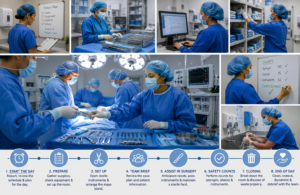
A focused medical student reviewing surgical instruments and training materials to build a strong foundation for a career in surgical technology.
Introduction
Healthcare systems around the world rely on highly trained professionals who work behind the scenes to ensure that surgeries run safely and efficiently. One of the most important members of the surgical team is the surgical technologist.
A surgical technologist, sometimes called a surgical technician or surgical tech, assists surgeons, nurses, and anesthesiologists before, during, and after surgical procedures. These professionals help prepare operating rooms, maintain sterile environments, and ensure that surgical equipment is available when needed.
As surgical procedures become more advanced and hospitals continue to expand their surgical services, the demand for skilled surgical technologists continues to grow.
This comprehensive guide from Surgical Teck explains the surgical technologist profession, including job responsibilities, education requirements, salary expectations, career opportunities, and future demand.
What Is a Surgical Technologist
A surgical technologist is a healthcare professional who assists the surgical team in operating rooms. Their primary role is to prepare surgical environments, maintain sterile conditions, and support surgeons during procedures.
Surgical technologists play a critical role in preventing infections and ensuring that operations run smoothly. They manage surgical instruments, prepare patients for surgery, and help maintain organization throughout the procedure.
The role requires strong attention to detail, technical knowledge, and the ability to work efficiently in fast-paced medical environments.
Hospitals, surgical centers, and specialized clinics all rely on surgical technologists to support safe surgical procedures.
What Does a Surgical Technician Do
The duties of a surgical technician usually fall into three main stages of surgical care: preparation, assistance during surgery, and post-operation support.
Before Surgery
Before a surgical procedure begins, surgical technicians prepare the operating room by arranging surgical tools and sterilizing instruments.
Typical pre-surgery duties include:
- Sterilizing surgical equipment
- Preparing surgical trays
- Checking surgical supplies
- Preparing patients for surgery
- Ensuring proper operating room setup
These steps ensure that the surgical team can work efficiently once the procedure begins.
During Surgery
During surgery, surgical technologists assist surgeons by passing instruments and maintaining sterile conditions.
Responsibilities during procedures include:
- Passing surgical tools to surgeons
- Holding surgical instruments when needed
- Monitoring sterile fields
- Counting surgical instruments and materials
- Supporting surgical staff when adjustments are needed
Their quick responses and awareness are essential to the success of many surgical procedures.
After Surgery
Once surgery is completed, surgical technologists assist with post-procedure tasks such as cleaning instruments and preparing the operating room for the next procedure.
These duties help ensure patient safety and proper infection control.
Surgical Technologist Responsibilities
Surgical technologists perform several important responsibilities within operating rooms.
These Surgical technologists responsibilities require both technical skills and teamwork.
Key responsibilities include:
- Preparing operating rooms and surgical equipment before procedures begin.
- Maintaining sterile environments throughout surgical procedures.
- Assisting surgeons by passing instruments and providing technical support.
- Managing surgical tools and supplies during operations.
- Ensuring that surgical instruments are properly sterilized after procedures.
- Supporting patient safety by following strict medical protocols.
Because surgeries involve multiple healthcare professionals, surgical technologists must work closely with nurses, surgeons, and anesthesiologists.
Surgical Tech Education Requirements
Most surgical technologists complete specialized education programs designed to prepare them for work in operating rooms.
Training programs are available through community colleges, vocational schools, and medical training institutes. If you’re planning to enter this field, it is important to understand how long it takes to become a surgical technologist and the training programs required.
Common educational pathways include:
Diploma programs that provide basic training in surgical technology.
Associate degree programs that provide more comprehensive education and clinical training.
During these programs, students study topics such as:
- Human anatomy
- Medical terminology
- Surgical procedures
- Sterilization techniques
- Operating room safety
Many programs also include clinical experience where students gain hands-on training in real hospital environments.
Surgical Technologist Certification Process
Although certification requirements vary by country and employer, many surgical technologists choose to obtain professional certification to improve their job prospects.
Certification usually involves completing an accredited surgical technology program and passing a professional exam.
Some organizations provide certification programs that validate professional skills and knowledge in surgical technology.
Certified surgical technologists often have better employment opportunities and may qualify for higher salaries.
Continuing education is also important, as surgical technologies and procedures continue to evolve.
Surgical Technologist Salary
The salary of a surgical technologist can vary depending on several factors such as location, experience, education, and the type of healthcare facility.
Entry-level surgical technologists typically earn competitive starting salaries compared to many other healthcare support roles.
Experienced surgical technologists working in specialized hospitals or surgical centers may earn higher salaries.
Factors that influence salary include:
- Level of experience
- Professional certifications
- Type of healthcare facility
- Geographic location
- Specialized surgical training
Healthcare professionals with advanced experience or specialization often have greater earning potential.
Surgical Technologist Career Growth Opportunities
Surgical technology offers several opportunities for career advancement.
With experience and additional education, surgical technologists may pursue specialized roles in healthcare.
Possible career paths include:
- Surgical First Assistant
- Operating Room Supervisor
- Medical Equipment Specialist
- Healthcare Instructor or Trainer
Some professionals also transition into healthcare management or medical technology positions.
Because surgical procedures are constantly evolving, professionals who stay updated with new technologies can benefit from long-term career growth.
Surgical Technologist Work Environment
Surgical technologists typically work in healthcare environments where surgical procedures are performed.
Common workplaces include hospitals, outpatient surgical centers, and specialty clinics.
Operating rooms can be fast-paced environments that require teamwork, communication, and strong focus.
Surgical technologists may spend long periods standing during procedures and must remain attentive to ensure that surgical teams have the tools they need.
Despite these challenges, many professionals find the work highly rewarding because they contribute directly to patient care and successful surgical outcomes.
Skills Needed to Become a Surgical Technologist
Successful surgical technologists must develop several technical and professional skills.
Important skills include:
- Attention to detail to ensure sterile conditions are maintained.
- Technical knowledge of surgical instruments and medical equipment.
- Communication skills for effective collaboration with surgical teams.
- Physical stamina to work in operating rooms during long procedures.
- Problem-solving skills to respond quickly during surgical operations.
Strong teamwork and organization are also essential because surgeries involve coordination between multiple healthcare professionals.
Future Demand for Surgical Technologists
Healthcare systems continue to expand surgical services due to aging populations and advancements in medical technology.
These factors contribute to increasing demand for trained surgical technologists.
New surgical technologies such as robotic surgery systems, minimally invasive procedures, and digital operating room equipment are also changing how surgeries are performed.
As medical technology advances, surgical technologists will continue to play an important role in supporting surgical teams and ensuring patient safety.
Professionals who stay updated with modern surgical technologies may benefit from strong long-term career opportunities.
Conclusion
Surgical technologists are essential members of modern healthcare teams. Their work ensures that operating rooms remain organized, sterile, and fully prepared for surgical procedures.
From preparing surgical equipment to assisting surgeons during operations, surgical technologists help maintain efficiency and safety in surgical environments.
With increasing demand for surgical procedures worldwide, surgical technology continues to offer promising career opportunities for individuals interested in healthcare professions.
Educational training, professional certification, and strong technical skills can help aspiring surgical technologists build successful careers in this growing field.
Healthcare professionals and students seeking reliable information about surgical technology can explore additional resources and guides available at Surgical Teck.
FAQs
What is the difference between a surgical technologist and a surgical technician
The terms are often used interchangeably. Both refer to healthcare professionals who assist surgeons and maintain sterile operating environments.
How long does it take to become a surgical technologist
Most surgical technology programs take between one and two years to complete depending on the type of training program.
Is surgical technology a good career
Many people consider surgical technology a rewarding career because it offers stable employment opportunities in the healthcare industry.
Do surgical technologists perform surgery
No. Surgical technologists assist surgeons but do not perform surgical procedures themselves.
Where do surgical technologists work
Surgical technologists commonly work in hospitals, outpatient surgical centers, and specialized medical clinics.
Disclaimer:
”The information provided on this website is for general informational and educational purposes only. All content is published in good faith and is intended to offer helpful guidance to readers worldwide. However, we make no guarantees about the completeness, reliability, or accuracy of the information presented.”