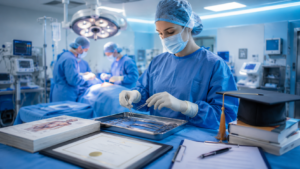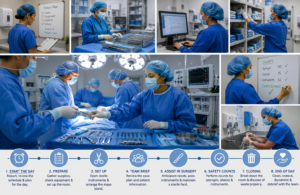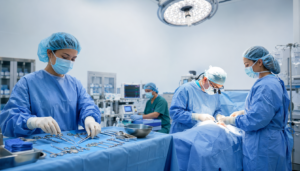
Key Responsibilities of a Surgical Technologist in the Operating Room
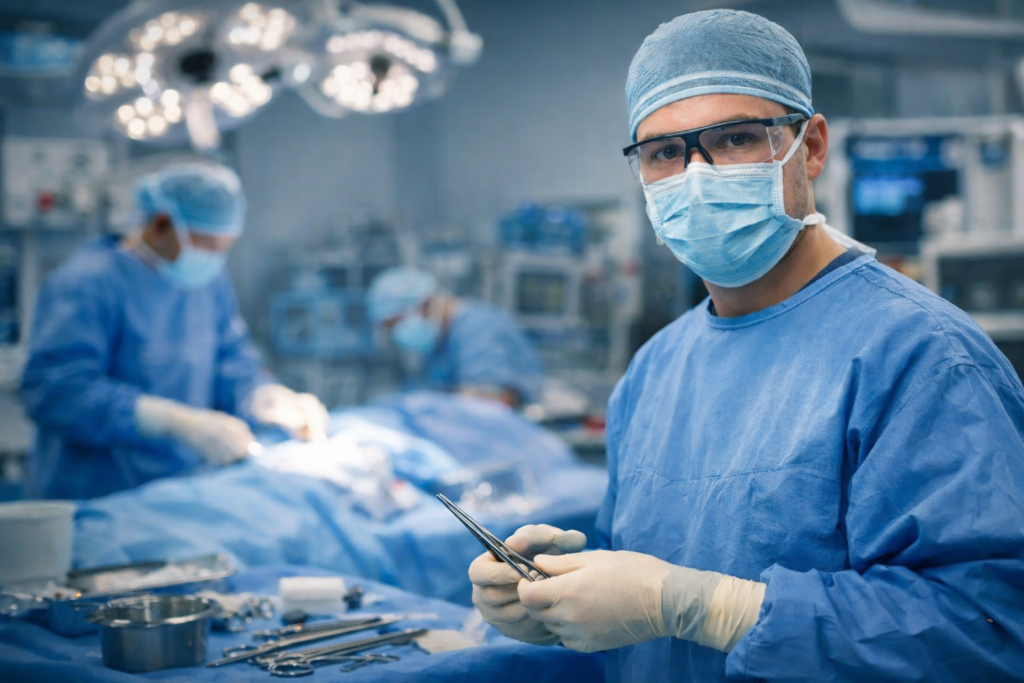
A surgical technologist assisting the surgical team by preparing and managing instruments in a modern operating room
Surgical technologists play a vital role in the operating room, serving as essential members of the surgical team. Their contributions are critical to ensuring smooth surgical procedures, patient safety, and overall efficiency in the operating room environment. This guide explores the key responsibilities of surgical technologists, the skills required to excel in this profession, and the impact they have on patient care.
Understanding the Role of a Surgical Technologist
A surgical technologist, sometimes referred to as a scrub tech or operating room technician, is responsible for supporting surgeons, nurses, and other healthcare professionals before, during, and after surgical procedures. Unlike nurses or surgeons, surgical technologists focus on the technical and organizational aspects of surgery. Their responsibilities include preparing the operating room, ensuring the availability of necessary surgical instruments, and assisting the surgical team in maintaining a sterile and safe environment.
Their role requires precision, attention to detail, and the ability to anticipate the needs of the surgical team. Surgical technologists work closely with surgeons, anesthesiologists, and nurses, ensuring that each operation proceeds efficiently while minimizing the risk of complications.
Preoperative Responsibilities
Before surgery begins, surgical technologists play a critical role in preparing both the patient and the operating room. These preoperative responsibilities include:
1. Preparing the Operating Room
Surgical technologists ensure that the operating room is clean, organized, and fully equipped for the scheduled procedure. They check that surgical instruments are sterilized and properly arranged, medical devices are functioning correctly, and supplies such as sutures, sponges, and surgical drapes are readily available.
2. Reviewing the Surgical Plan
Technologists often review the patient’s surgical plan with the team to understand the procedure’s steps, the specific instruments needed, and any special considerations. This preparation allows the technologist to anticipate the surgeon’s needs during the operation.
3. Ensuring Patient Safety
A surgical technologist assists in verifying patient identity, surgical site, and procedure details. They also help position the patient on the operating table safely and assist in applying necessary monitoring equipment. Maintaining a sterile environment is critical, and technologists ensure that all team members adhere to proper hygiene protocols.
Intraoperative Responsibilities
During surgery, surgical technologists have hands-on responsibilities that directly impact the procedure’s success. Key intraoperative duties include:
1. Assisting the Surgeon
Technologists provide the surgeon with instruments and supplies promptly and efficiently. They must anticipate the surgeon’s needs, hand instruments in the correct sequence, and ensure that all tools are sterile and ready for use.
2. Maintaining Sterility
One of the most critical responsibilities is maintaining a sterile environment. Surgical technologists monitor the surgical field, ensuring that nothing contaminates the sterile area. Any breach in sterility can increase the risk of infection and compromise patient safety.
3. Managing Surgical Instruments and Equipment
Technologists are responsible for keeping track of all instruments and materials used during surgery. They ensure that instruments are counted before and after the procedure, reducing the risk of leaving items inside the patient’s body. Additionally, they manage surgical devices and ensure equipment functions correctly throughout the operation.
4. Assisting the Surgical Team
Surgical technologists support nurses, anesthesiologists, and other staff by adjusting lights, suction devices, and other equipment as needed. Their role is dynamic, requiring constant attention and readiness to assist wherever necessary.
Postoperative Responsibilities
After surgery, surgical technologists continue to play an important role in patient care and operating room management. Postoperative responsibilities include:
1. Assisting with Patient Transfer
Technologists help safely transfer patients from the operating table to recovery areas. They ensure all surgical instruments and materials are accounted for, reducing the risk of complications.
2. Cleaning and Restocking the Operating Room
Once a procedure is complete, surgical technologists help clean the operating room, properly dispose of used materials, and sterilize instruments. They restock supplies to prepare for the next surgery, ensuring a smooth workflow.
3. Documentation and Reporting
Accurate documentation is essential in surgical care. Technologists may assist in recording details of the surgery, including instruments used, materials consumed, and any unusual occurrences. These records help maintain high standards of patient care and support healthcare audits and research.
Essential Skills for Surgical Technologists
Being a successful surgical technologist requires a combination of technical knowledge, practical skills, and personal attributes. Key skills include:
Attention to Detail: Ensuring the correct instruments are available and sterile, and that the surgical field remains uncontaminated.
Manual Dexterity: Handling delicate instruments and assisting surgeons precisely.
Communication Skills: Coordinating with the surgical team efficiently and clearly.
Problem-Solving Abilities: Quickly addressing any unexpected issues during surgery.
Physical Stamina: Working long hours while standing for extended periods in high-pressure environments.
Importance of Surgical Technologists in Healthcare
Surgical technologists significantly impact the quality and safety of surgical care. Their role helps:
- Reduce the risk of infection and complications.
- Improve surgical efficiency by anticipating the surgeon’s needs.
- Enhance patient outcomes through meticulous preparation and support.
- Maintain a safe and organized operating room environment.
For medical students and researchers, understanding the surgical technologist’s role highlights the importance of collaboration and teamwork in healthcare. By supporting surgeons and nurses, technologists contribute to innovations in surgical procedures and advancements in patient care.
Career Opportunities and Growth
The demand for skilled surgical technologists continues to grow. Technologists can specialize in areas such as orthopedic surgery, cardiovascular surgery, or robotic-assisted procedures. Career growth opportunities include senior technologist roles, surgical team leadership, and educational positions to train future surgical staff.
Tips for Aspiring Surgical Technologists
For students and professionals aspiring to become surgical technologists:
Complete Accredited Training Programs: Enroll in programs that provide both theoretical knowledge and hands-on experience.
Gain Certification: Obtain recognized certification to validate skills and enhance career opportunities.
Develop Soft Skills: Communication, teamwork, and problem-solving are essential in a surgical setting.
Stay Updated: Continuously learn about new surgical techniques, equipment, and safety protocols.
Seek Mentorship: Learn from experienced technologists to gain practical insights and guidance.
Conclusion
Surgical technologists are indispensable members of the operating room team. Their responsibilities span preoperative preparation, intraoperative support, and postoperative care, all of which are essential to patient safety and surgical success. With specialized skills, attention to detail, and a commitment to teamwork, surgical technologists contribute significantly to the healthcare system. To understand the full scope of a surgical technologist’s career and opportunities, check out our complete guide to surgical technologists
For medical students, researchers, and healthcare professionals, understanding the multifaceted role of surgical technologists provides insight into the collaborative nature of surgical care and the importance of technical expertise in improving patient outcomes.
By mastering both practical skills and professional knowledge, surgical technologists can pursue rewarding careers, contribute to advancements in surgery, and help shape the future of patient care.
FAQs
What does a surgical technologist do in the operating room?
A surgical technologist assists surgeons and nurses by preparing the operating room, ensuring instruments are sterilized, providing surgical tools during procedures, and maintaining a sterile and safe environment throughout the surgery.
What skills are essential for a successful surgical technologist?
Key skills include attention to detail, manual dexterity, effective communication, problem-solving abilities, physical stamina, and the ability to anticipate the needs of the surgical team during procedures.
How does a surgical technologist contribute to patient safety?
Surgical technologists play a crucial role in infection control, verifying surgical instruments, monitoring the sterile field, and assisting with patient positioning, all of which help minimize risks and improve patient outcomes.
Can surgical technologists specialize in specific types of surgery?
Yes. Surgical technologists can specialize in areas such as orthopedic, cardiovascular, robotic-assisted, or trauma surgery, allowing them to gain advanced expertise and support complex procedures effectively.
What is the career growth potential for surgical technologists?
Career opportunities include senior technologist roles, operating room leadership, training and education positions, and involvement in surgical research or specialized procedures, offering long-term professional development in the healthcare field.