What Is Surgical Technology? Complete Guide for Students and Beginners

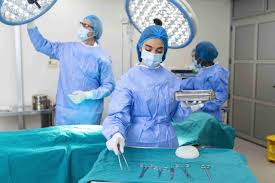
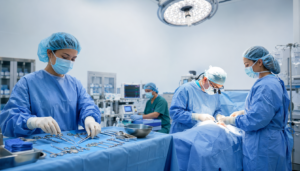
Surgical Technologist Preparing Instruments in Modern Operating Room
TL;DR
What is surgical technology? Surgical technology is a healthcare field focused on preparing and supporting surgical procedures.
What does a surgical technologist do? A surgical technologist prepares the OR, manages instruments and supplies, maintains sterile technique, supports the surgical team, and assists with postoperative room turnover.
What does surgical technology include? It includes OR preparation, sterile technique, surgical instruments, equipment, patient-safety practices, and procedural support.
Where do surgical technologists work? They commonly work in hospitals, operating rooms, ambulatory surgery centers, specialty surgical facilities, and other surgical environments.
What education is required? Many professionals complete a surgical technology certificate or associate-degree program with classroom and clinical training.
Is certification required? Requirements vary by location and employer. Professional certification can support employment and demonstrate competency.
Can surgical technologists specialize? Yes. Specialty areas include orthopedic, cardiovascular, neurosurgical, pediatric, OB-GYN, trauma, plastic, general, and robotic surgery.
What is the future of surgical technology? Robotics, minimally invasive surgery, digital operating rooms, artificial intelligence, advanced imaging, and other technologies are changing surgical workflows and the skills required by surgical teams.
Quick Answer:
Surgical technology is a specialized healthcare field that supports surgical teams before, during, and after procedures. Surgical technologists prepare operating rooms, organize instruments and supplies, maintain sterile technique, manage surgical equipment, and assist the surgical team during operations. The field combines medical knowledge, technical skills, infection-control practices, patient-safety procedures, and operating-room teamwork.
What Is Surgical Technology?
Surgical technology is the healthcare field that focuses on preparing and supporting the operating room for surgical procedures. It connects surgical preparation, sterile technique, instruments, equipment, and procedural support into one specialized area of patient care.
A surgical procedure depends on more than the surgeon performing the operation. The operating room team must prepare the environment, confirm equipment and supplies, maintain sterility, manage instruments, and respond to changing procedural needs. Surgical technology addresses many of these practical requirements.
What Is Surgical Technology in Simple Terms?
In simple terms, surgical technology is the work involved in getting the operating room ready, maintaining a safe sterile environment, and supporting the surgical team throughout a procedure.
A surgical technologist may prepare the surgical instruments before a case, arrange the sterile field, pass instruments during surgery, monitor supplies, and help manage the room after the procedure.
The exact duties can vary by facility, procedure, employer, and scope of practice.
What Does Surgical Technology Focus On?
Surgical technology focuses on several connected areas:
- Operating room preparation ensures the room contains the required equipment and supplies.
- Sterile technique protects the sterile field throughout the procedure.
- Instrument management ensures the surgical team has appropriate instruments available.
- Equipment preparation supports the safe use of surgical technology.
- Patient safety guides counts, sterile practices, specimen handling, and procedural preparation.
- Team support helps surgeons, nurses, anesthesia professionals, and other OR staff work together.
These areas work together. A surgical technologist does not simply hand instruments to a surgeon. The role requires preparation, procedural awareness, organization, communication, and consistent attention to sterile practice.
What Is the Difference Between Surgical Technology and a Surgical Technologist?
Surgical technology describes the field and body of knowledge. A surgical technologist describes the professional who works in that field.
For example, surgical technology includes sterile technique, instrument knowledge, operating-room preparation, and surgical procedures. A surgical technologist applies that knowledge in an operating-room setting.
You may also encounter terms such as surgical tech, surgical technician, scrub tech, or operating-room technician. Terminology varies by employer and healthcare system, and the exact job title does not always describe an identical scope of practice.
Where Is Surgical Technology Used?
Surgical technology is primarily used in environments where surgical procedures take place, including:
- Hospitals
- Operating rooms
- Ambulatory surgery centers
- Outpatient surgical facilities
- Specialty surgical centers
- Trauma and emergency surgical settings
The work environment can change according to the facility and surgical specialty. A surgical technologist working in an orthopedic OR may encounter different instruments and equipment from a professional working in cardiovascular or neurosurgery.
What Does Surgical Technology Include?
Surgical technology covers the practical systems that allow an operating room to function safely and efficiently. The field includes preparation, sterile practice, instruments, equipment, patient safety, and procedural support.
Operating Room Preparation
Operating room preparation starts before the patient enters the room.
The surgical technologist checks the planned procedure, prepares required instruments and supplies, arranges the sterile field, and helps ensure equipment is available and functioning.
Good preparation reduces avoidable interruptions during surgery. It also helps the surgical team begin the procedure with the resources required for the planned case.
Maintaining a Sterile Environment
Sterile technique protects the surgical field from contamination.
Surgical technologists work within established infection-control procedures and monitor the sterile field throughout the operation. They must recognize potential breaks in sterile technique and respond according to facility protocols.
Sterility is not a single task completed before surgery. It requires continuous awareness during preparation and throughout the procedure.
Surgical Instruments
Surgical instruments allow surgeons and other members of the surgical team to perform specific procedural tasks.
A surgical technologist needs to recognize instruments, understand their general purpose, organize them appropriately, and provide them when required.
Instrument knowledge becomes particularly important when procedures involve specialized tools or rapidly changing procedural steps.
Surgical Equipment
Operating rooms contain equipment designed for specific surgical procedures. Depending on the case, this may include specialized tables, electrosurgical equipment, suction systems, imaging technology, minimally invasive equipment, or robotic surgical systems.
Surgical technologists help prepare and manage equipment within their responsibilities and facility procedures.
Patient Safety
Patient safety influences every stage of surgical technology.
Instrument and sponge counts, sterile practices, equipment preparation, specimen handling, and procedural verification all support a safer surgical environment.
The surgical technologist contributes to safety as part of a broader multidisciplinary team. No single professional is responsible for every aspect of surgical safety.
Support During Surgical Procedures
During surgery, surgical technologists provide hands-on procedural support. They pass instruments, manage supplies, maintain the sterile field, monitor counts, and anticipate procedural needs.
This support allows the surgical team to maintain focus on the operation while the surgical technologist manages important elements of the sterile field.
What Does a Surgical Technologist Do?
A surgical technologist supports the surgical team before, during, and after procedures. The work commonly follows three stages: preoperative preparation, intraoperative support, and postoperative activities.
Before Surgery
Before surgery, the surgical technologist prepares the operating room for the scheduled procedure.
Typical responsibilities can include:
- Preparing surgical instruments and trays
- Organizing sterile supplies
- Preparing gowns and drapes
- Checking equipment
- Confirming required supplies
- Preparing the sterile field
- Reviewing procedure requirements
- Supporting surgical counts
Preparation requires attention to detail because the needs of one procedure can differ significantly from another.
During Surgery
During the procedure, the surgical technologist works within the sterile field and supports the surgical team.
Responsibilities may include:
- Passing instruments
- Maintaining sterile technique
- Managing sterile supplies
- Anticipating procedural needs
- Monitoring instruments and supplies
- Supporting surgical counts
- Handling specimens according to established procedures
- Communicating relevant information to the surgical team
Experienced surgical technologists develop strong procedural awareness. They learn to recognize the sequence of common procedures and prepare the appropriate instruments before the surgeon requests them.
After Surgery
The surgical technologist continues working after the procedure ends.
Postoperative activities may include:
- Completing instrument and supply counts
- Handling surgical instruments according to facility procedures
- Supporting specimen handling
- Assisting with room cleanup
- Restocking supplies
- Preparing the room for the next procedure
- Supporting equipment processing and turnover
The post-procedure stage prepares the operating room for subsequent patient care.
Expert Note: Surgical technology requires more than instrument knowledge. Effective OR support depends on preparation, sterile awareness, communication, procedural knowledge, and consistent attention to detail.
What Is the Role of a Surgical Technologist in the Operating Room?
A surgical technologist serves as a specialized member of the operating-room team. The role changes across the procedure but remains centered on sterile practice, preparation, instruments, supplies, and procedural support.
What Does a Surgical Technologist Do Before the Patient Enters?
Before the patient enters the room, the surgical technologist prepares the environment for the planned procedure.
The technologist organizes the required instruments and supplies, establishes the sterile field, checks relevant equipment, and confirms that the room is prepared for the surgical team.
This preparation creates the foundation for the procedure.
What Does a Surgical Technologist Do During the Procedure?
During surgery, the surgical technologist provides direct sterile-field support.
The technologist may pass instruments, maintain sterile technique, monitor supplies, assist with counts, handle specimens according to protocol, and anticipate the next procedural step.
The role requires continuous awareness. Surgical procedures can change quickly, which means the technologist must remain focused on the surgical field and team.
What Happens After the Procedure?
After surgery, the surgical technologist helps complete the immediate operating-room workflow.
The work can include instrument handling, counts, supply management, room turnover, and preparation for the next case.
How Does a Surgical Technologist Work With the Surgical Team?
Surgery depends on coordinated teamwork. A surgical technologist may work alongside:
| Team Member | Primary Role in the OR |
|---|---|
| Surgeon | Performs the surgical procedure |
| Surgical Technologist | Supports the sterile field, instruments, supplies, and procedure |
| Registered Nurse | Provides nursing care and coordinates broader patient-care responsibilities |
| Anesthesia Professional | Manages anesthesia and related patient monitoring |
| Surgical First Assistant | Provides additional surgical assistance within their scope |
| Other OR Staff | Support equipment, patient care, room operations, and related functions |
The surgical technologist is therefore not an isolated role. The professional works as part of a multidisciplinary surgical team.
Surgical Instruments and Equipment
Surgical instruments and equipment form a central part of surgical technology. A surgical technologist must understand how instruments are organized, used, handled, and selected for different procedures.
What Are Common Surgical Instruments?
Common instrument categories include:
- Cutting and dissecting instruments
- Grasping instruments
- Clamping instruments
- Retractors
- Suturing instruments
- Suction instruments
- Specialized procedural instruments
Examples include scalpels, scissors, forceps, clamps, retractors, and specialized instruments designed for particular procedures.
The purpose of an instrument depends on its design and procedural use. A long list of instrument names is less useful than understanding the categories and functions behind them.
What Surgical Equipment Does a Surgical Technologist Use?
Equipment varies according to the procedure and facility.
A surgical technologist may encounter:
- Electrosurgical equipment
- Suction systems
- Surgical lighting
- Operating tables
- Endoscopic equipment
- Minimally invasive systems
- Robotic surgical platforms
- Specialized imaging equipment
Technology knowledge becomes increasingly important as operating rooms adopt more advanced systems.
Why Does Instrument Knowledge Matter?
Instrument knowledge helps the surgical technologist prepare the correct tools, organize the sterile field, and respond efficiently during procedures.
The technologist must also understand instrument handling and facility-specific procedures for processing and maintaining surgical equipment.
Does Instrument Selection Depend on the Procedure?
Yes. Instrument selection depends on the surgical procedure, surgical specialty, surgeon preference, patient needs, and facility protocols.
An orthopedic procedure may require instruments designed for bone and joint surgery, while neurosurgery may require highly specialized instruments for delicate anatomical structures.
For detailed instrument names and uses, the dedicated Surgical Instruments Names and Uses resource can provide deeper coverage.
What Skills Does a Surgical Technologist Need?
A surgical technologist needs technical knowledge and practical workplace skills. The role combines precision, communication, organization, teamwork, and the ability to remain focused during demanding procedures.
Technical Skills
Technical skills include knowledge of:
- Surgical instruments
- Sterile technique
- Operating-room procedures
- Surgical equipment
- Medical terminology
- Infection-control practices
- Procedural workflows
Communication Skills
Clear communication supports safe teamwork in the operating room.
Surgical technologists communicate with surgeons, nurses, anesthesia professionals, assistants, and other OR staff. Communication must remain concise and appropriate to the situation.
Organization
Organization helps the technologist prepare instruments, supplies, equipment, and the sterile field before surgery.
An organized setup also helps the professional locate required items quickly during a procedure.
Attention to Detail
Small details matter in surgical environments. Surgical technologists must monitor instruments, supplies, sterile conditions, counts, and equipment throughout the procedure.
Teamwork
Surgery requires coordinated action from multiple healthcare professionals. Surgical technologists must understand their responsibilities while working effectively with the broader team.
Ability to Work Under Pressure
Operating rooms can become demanding when procedures change unexpectedly or emergencies occur. Surgical technologists must remain focused and follow established procedures during high-pressure situations.
Patient-Safety Awareness
Patient safety should guide the surgical technologist’s actions. Sterile technique, counts, equipment preparation, specimen handling, and communication all contribute to safer surgical care.
How Do You Become a Surgical Technologist?
Becoming a surgical technologist generally involves formal education, clinical training, and, depending on the location and employer, professional certification.
What Do You Study in a Surgical Technology Program?
Surgical technology programs commonly cover subjects such as:
- Anatomy and physiology
- Microbiology
- Medical terminology
- Surgical procedures
- Surgical instruments
- Sterile technique
- Infection prevention
- Patient safety
- Operating-room practices
The exact curriculum depends on the educational institution and program.
What Happens in Classroom Training?
Classroom learning provides the theoretical foundation for surgical practice.
Students learn how the human body relates to surgical procedures, how instruments function, how sterile technique works, and how operating-room teams coordinate their activities.
Why Is Clinical Experience Important?
Clinical training allows students to apply classroom knowledge in real healthcare environments under supervision.
Clinical experience can expose students to operating rooms, hospitals, ambulatory surgery centers, and different surgical specialties.
How Long Does Surgical Tech Training Take?
Training duration varies by program. Certificate and associate-degree pathways can provide routes into the profession, with many programs taking roughly one to two years.
The exact duration depends on the program structure, prerequisite requirements, clinical hours, and credential being pursued.
Why Does Accreditation Matter?
Accreditation helps students identify programs that meet established educational standards. It can also affect eligibility for professional certification examinations.
Before enrolling, students should verify the program’s current accreditation status and confirm that it meets the requirements associated with the certification or employment pathway they intend to pursue.
For detailed education information, see the Surgical Technologist Education Requirements guide.
What Certification Does a Surgical Technologist Need?
Certification requirements vary by location, employer, and regulatory framework. In the United States, professional certification can strengthen employment opportunities, while specific requirements should be checked for the state and employer.
What Is CST Certification?
The Certified Surgical Technologist (CST) credential is a widely recognized professional certification in the United States.
Certification demonstrates that a professional has met defined competency requirements associated with the credential.
Is Certification the Same as Education?
No. Education and certification serve different purposes.
| Education | Certification |
|---|---|
| Provides formal training | Demonstrates professional competency |
| Teaches surgical technology concepts | Tests or validates defined knowledge and skills |
| Includes academic and clinical learning | Follows certification requirements |
| Prepares students for professional practice | Can support employment and career development |
Certification does not replace the need for appropriate education and clinical preparation.
Can Certification Matter for Employment?
Yes. Employers may prefer or require certification depending on their policies and location. Certification can also help demonstrate professional preparation when applying for surgical technology positions.
Requirements should always be checked against current employer and jurisdictional rules.
What About the United Kingdom?
The United Kingdom uses different professional pathways and terminology. Operating Department Practitioners (ODPs), for example, work across perioperative care and related clinical responsibilities.
Students in the UK should follow the education, registration, and professional requirements applicable to their intended role rather than assuming that the U.S. CST pathway applies directly.
What Are the Common Responsibilities of a Surgical Technologist?
The core responsibilities of a surgical technologist can be summarized as follows:
- Prepare the operating room before surgery.
- Organize instruments and sterile supplies.
- Establish and maintain the sterile field.
- Check relevant equipment and supplies.
- Pass instruments during procedures.
- Anticipate procedural needs.
- Monitor instruments and supplies.
- Support surgical counts.
- Handle specimens according to established protocols.
- Assist with operating-room turnover.
These responsibilities can change according to procedure, facility, specialty, and professional scope.
What Is the Surgical Technology Career Path?
Surgical technology provides several potential career directions. Advancement depends on education, experience, certification, employer structure, and professional goals.
Entry-Level Surgical Technologist
New graduates commonly begin in entry-level surgical technology positions where they build practical experience across procedures and surgical specialties.
Experienced Surgical Technologist
Experience can increase procedural knowledge and allow professionals to take on more complex cases or work in specialized operating rooms.
Specialty Areas
Experienced professionals may develop expertise in areas such as:
- Orthopedic surgery
- Cardiovascular surgery
- Neurosurgery
- Pediatric surgery
- General surgery
- Robotic surgery
- Trauma surgery
Surgical First Assistant
Some surgical technologists pursue additional education and certification to become surgical first assistants. This pathway involves expanded intraoperative responsibilities and additional professional preparation.
Leadership and Education
Experienced professionals may also move toward roles such as:
- Operating-room leadership
- Surgical services management
- Clinical education
- Training
- Professional education
Career progression depends on the employer, credentials, experience, and applicable regulations.
What Types of Surgical Technologists Are There?
Surgical technologists can work across multiple specialties. The professional title may remain the same while the instruments, procedures, equipment, and knowledge requirements change.
Common specialty areas include:
- General surgery: Covers a broad range of abdominal and other common surgical procedures.
- Orthopedic surgery: Focuses on bones, joints, muscles, and related structures.
- Cardiovascular surgery: Supports procedures involving the heart and blood vessels.
- Neurosurgery: Supports procedures involving the brain, spine, and nervous system.
- Pediatric surgery: Supports surgical care for infants, children, and adolescents.
- OB-GYN surgery: Supports procedures involving obstetric and gynecological care.
- Plastic and reconstructive surgery: Supports reconstructive and cosmetic procedures.
- Robotic surgery: Supports procedures that use robotic-assisted surgical platforms.
- Trauma surgery: Supports urgent procedures associated with traumatic injuries.
Can a Surgical Technologist Specialize?
Yes. Surgical technologists can develop specialty experience through clinical exposure, employment, continuing education, and focused professional development.
Specialization can help a professional build deeper knowledge of specific procedures, instruments, equipment, and surgical workflows.
How Is Surgical Technology Changing Modern Operating Rooms?
Modern operating rooms increasingly combine traditional surgical practices with digital systems, minimally invasive equipment, robotics, imaging, and other technologies.
Minimally Invasive Surgery
Minimally invasive procedures use specialized instruments and techniques to access the surgical site through smaller openings than traditional open procedures.
These procedures require specialized equipment and organized instrument management. Surgical technologists support the sterile field and prepare the technology required for the planned procedure.
Robotic Surgery
Robotic-assisted surgery uses computer-controlled robotic systems to support surgeons during certain procedures.
Surgical technologists may prepare robotic instruments, support system setup, manage sterile components, and help the surgical team maintain an organized workflow.
Advanced Surgical Equipment
Modern ORs can include advanced imaging, energy devices, endoscopic systems, navigation technology, and specialized equipment.
Surgical technologists need to understand the equipment relevant to their work environment.
Digital Technology in the OR
Digital operating rooms can connect equipment, displays, communication systems, imaging, and data into integrated workflows.
These systems can change how surgical teams access information and manage procedures.
How Is the Role of Surgical Technologists Changing?
Technology does not simply remove traditional surgical technology responsibilities. It also creates new preparation and equipment-management requirements.
A surgical technologist working with advanced technology may need additional training to understand system setup, sterile components, specialized instruments, and procedural workflows.
How Does Surgical Technology Relate to Robotics?
Robotics represents one of the clearest examples of how technology is changing surgical practice.
What Is Robotic Surgery?
Robotic surgery uses specialized robotic systems that allow surgeons to control surgical instruments through a computer-assisted interface.
The robotic system does not independently replace the surgical team. The surgeon remains responsible for directing the procedure.
How Do Surgical Technologists Support Robotic Procedures?
Surgical technologists can support robotic procedures by preparing instruments, sterile components, equipment, and the operating room according to the procedure and facility protocol.
They may also assist with instrument management and workflow throughout the case.
What Skills Are Needed for Robotic ORs?
Robotic operating rooms require knowledge of:
- Robotic system components
- Specialized instruments
- Sterile setup
- Equipment preparation
- Procedural workflow
- Troubleshooting procedures
- Team communication
Will Robots Replace Surgical Technologists?
Robotics is more likely to change the surgical technologist’s workflow than eliminate the role. Robotic procedures still require trained professionals to prepare equipment, maintain sterile practices, manage instruments, coordinate with the surgical team, and respond to procedural needs.
The technology changes the tools. It does not remove the need for coordinated operating-room support.
Is Surgical Technology a Good Career?
Surgical technology can be a strong career choice for people who want a focused healthcare role in an operating-room environment.
The career offers several advantages, but it also includes physical, emotional, and scheduling demands.
What Are the Advantages?
- Provides a direct role in surgical care.
- Offers a focused pathway into healthcare.
- Creates opportunities to work across surgical specialties.
- Supports continued professional development.
- Allows experienced professionals to pursue advanced career paths.
- Combines healthcare knowledge with technical work.
What Are the Challenges?
- Requires prolonged standing during many procedures.
- Demands consistent attention to detail.
- Involves high-pressure situations.
- May include variable schedules or emergency procedures.
- Requires comfort with the operating-room environment.
- Can involve emotionally demanding patient situations.
A good career decision depends on whether the work environment, responsibilities, education pathway, and long-term goals match your expectations.
Who Is Surgical Technology Right For?
Surgical technology may fit you if you enjoy healthcare, technical tasks, teamwork, and structured procedural environments.
It May Be a Good Fit If You:
- Like healthcare and medical environments.
- Prefer hands-on technical work.
- Work well with a team.
- Notice small details.
- Remain focused during pressure.
- Feel comfortable working in an operating room.
- Want a specialized healthcare career.
It May Not Be Ideal If You:
- Strongly dislike surgical environments.
- Prefer office-based work.
- Avoid team-based responsibilities.
- Struggle with prolonged standing.
- Prefer highly predictable daily tasks.
- Find fast-paced clinical situations difficult.
Understanding the daily work environment can help you decide whether surgical technology matches your personality and career goals.
Surgical Technology vs. Other Healthcare Careers
Surgical technology differs from other healthcare professions mainly through its operating-room focus.
| Career | Main Environment | Typical Training Path | Main Role |
|---|---|---|---|
| Surgical Technologist | Operating Room | Certificate or Associate Degree | Surgical support |
| Registered Nurse | Hospitals, clinics, and other healthcare settings | Nursing program | Patient care |
| Medical Assistant | Clinics and outpatient settings | Certificate or Associate Degree | Clinical and administrative support |
| Surgical First Assistant | Operating Room | Additional specialized training | Advanced surgical assistance |
Surgical Technologist vs. Registered Nurse
A surgical technologist primarily supports surgical procedures, sterile fields, instruments, and operating-room workflow. A registered nurse has a broader patient-care role and can work across many healthcare environments.
If you prefer operating-room technical work, surgical technology may align more closely with your interests. If you want broader patient-care and career options, nursing may provide a wider professional scope.
Surgical Technologist vs. Radiologic Technologist
Radiologic technologists primarily work with medical imaging, while surgical technologists focus on operating-room procedures.
| Feature | Surgical Technologist | Radiologic Technologist |
|---|---|---|
| Primary Focus | Surgical procedures | Medical imaging |
| Main Environment | Operating Room | Imaging and diagnostic areas |
| Main Equipment | Surgical instruments and OR equipment | Imaging equipment |
| Patient Contact | Procedure-focused | Imaging-focused |
| Technical Focus | Surgical support | Diagnostic imaging |
Your choice should depend on whether you prefer surgical procedures or diagnostic imaging.
FAQs
What is surgical technology in simple terms?
Surgical technology is the healthcare field that prepares and supports operating rooms through sterile technique, instrument management, equipment preparation, patient-safety practices, and procedural assistance.
What does a surgical technologist do?
A surgical technologist prepares the operating room, organizes instruments and supplies, maintains the sterile field, passes instruments, supports surgical counts, and assists the surgical team during procedures.
What is the difference between a surgical tech and a surgical technologist?
The terms can refer to the same or closely related occupational role depending on the employer. “Surgical technologist” is the formal professional term commonly used in the United States.
Is surgical technology a good career?
Surgical technology can suit people who prefer hands-on healthcare work, operating-room environments, technical tasks, teamwork, and a focused professional pathway.
How long does it take to become a surgical technologist?
Many surgical technology programs take approximately one to two years, depending on the credential, prerequisites, clinical requirements, and educational institution.
Do surgical technologists need certification?
Certification requirements vary by state, employer, and location. Many employers value or require professional certification, particularly in the United States.
What skills does a surgical technologist need?
Important skills include attention to detail, sterile technique, communication, organization, teamwork, technical knowledge, procedural awareness, and the ability to remain focused under pressure.
Where do surgical technologists work?
Surgical technologists commonly work in hospitals, operating rooms, ambulatory surgery centers, specialty surgical facilities, and other environments where surgical procedures take place.
Do surgical technologists work with surgeons?
Yes. Surgical technologists work directly with surgeons and other operating-room professionals. They support procedures through instrument management, sterile-field maintenance, equipment preparation, and procedural assistance.
Can surgical technologists specialize?
Yes. Surgical technologists can develop experience in specialties such as general, orthopedic, cardiovascular, neurosurgical, pediatric, OB-GYN, trauma, plastic, and robotic surgery.
Can surgical techs work in robotic surgery?
Yes. Surgical technologists can support robotic procedures after receiving appropriate training for the robotic platform, instruments, sterile components, and procedures used by their facility.
What is the difference between a surgical technologist and a surgical assistant?
A surgical technologist primarily supports the sterile field, instruments, supplies, and operating-room workflow. A surgical first assistant performs additional intraoperative surgical assistance and generally requires advanced training.
Is surgical technology stressful?
Surgical technology can involve pressure, long procedures, emergency cases, and demanding clinical situations. Professionals must maintain concentration and follow established procedures throughout the case.
Can surgical technologists work in the UK?
Yes, although the professional structure differs from the United States. UK operating-room careers include roles such as Operating Department Practitioner, with separate education and registration requirements.
Key Takeaway
Surgical technology is a specialized healthcare field that supports surgical procedures through operating-room preparation, sterile technique, instrument management, equipment preparation, and procedural teamwork. Surgical technologists work before, during, and after surgery to help maintain an organized and safe operating environment.
If you are considering this career, focus on four areas: education, clinical training, professional requirements, and personal fit. The profession suits people who enjoy technical healthcare work, teamwork, precision, and operating-room environments.
Career opportunities can extend from entry-level surgical technology into specialty practice, surgical first assisting, education, and leadership. Modern developments such as minimally invasive surgery, robotics, digital systems, and advanced surgical equipment are also changing the skills required in the operating room.
For a deeper career overview, explore our complete Surgical Technologist Career Guide.