Robotic Surgery Skills Every Surgical Technologist Should Know

Robotic Surgery Skills Every Surgical Technologist Should Know
Introduction
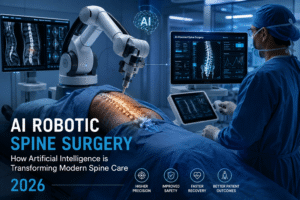
Robotic-assisted surgery has transformed modern operating rooms, offering precision, minimally invasive procedures, and improved patient outcomes. As surgical technology evolves, surgical technologists are expected to adapt and master new skills, particularly in robotic surgery.
For medical students and aspiring OR professionals, understanding the key skills required for robotic-assisted procedures is essential for career growth. This article explores the core competencies, training pathways, practical tips, and career benefits associated with robotic surgery skills. Robotic surgery requires specialized skills that every surgical technologist should master. For a full overview of the profession, including responsibilities, training, salary, and career growth, see our surgical technologist career guide.
Why Robotic Surgery Skills Are Important
Robotic surgery is becoming increasingly common in cardiology, orthopedics, urology, and general surgery. Technologists who are proficient in robotic procedures:
- Enhance surgical efficiency and precision
- Reduce the risk of errors in instrument handling
- Gain a competitive advantage in the job market
- Have opportunities to work in specialized, high-tech ORs
Hospitals actively seek surgical technologists with robotic surgery experience, making this skill a valuable asset for career advancement.
Core Robotic Surgery Skills
While robotic surgery requires a team effort, surgical technologists play a crucial role in preparation, instrument management, and intraoperative support. Key skills include:
1. Robotic System Familiarity
- Understanding components of the robotic surgical system (console, patient cart, instruments)
- Recognizing the functions of robotic arms, end-effectors, and cameras
- Troubleshooting minor technical issues during surgery
- Being comfortable with the technology ensures smooth operations and minimal delays.
2. Advanced Instrument Handling
- Managing robotic instruments and accessories
- Ensuring instruments are sterile, correctly connected, and calibrated
- Assisting the surgeon with instrument exchange efficiently
- Technologists must combine precision, speed, and attention to detail to support complex robotic procedures.
3. Sterile Field Setup for Robotic Surgery
- Arranging robotic instruments and accessories properly
- Maintaining strict sterile protocols around robotic arms
- Coordinating with the surgical team to minimize contamination risks
- A correctly set-up sterile field ensures patient safety and allows the surgeon to focus entirely on the procedure.
4. Troubleshooting and Problem-Solving
Robotic systems can encounter technical or mechanical challenges. Surgical technologists should:
- Recognize system errors or malfunctions
- Know how to replace or recalibrate instruments quickly
- Communicate effectively with the surgeon and support team
- Quick thinking and adaptability are essential skills in high-pressure situations.
5. Knowledge of Procedure-Specific Requirements
Robotic procedures vary by specialty. Technologists should understand:
- Instrumentation for cardiac, orthopedic, urologic, and gynecologic robotic surgeries
- Steps of the procedure to anticipate the surgeon’s needs
- Safety precautions specific to each surgery type
- This knowledge enhances efficiency and reduces surgical delays.
6. Teamwork and Communication
- Coordinating with the surgeon, bedside assistant, and anesthesiologist
- Maintaining clear communication despite robotic system noise or distractions
- Ensuring everyone is aware of instrument needs and OR safety protocols
- Strong teamwork ensures seamless operation and patient safety.
Training Pathways for Robotic Surgery
To acquire robotic surgery skills, surgical technologists can pursue:
- Hospital-Based Workshops – Hands-on training with robotic systems in real OR settings
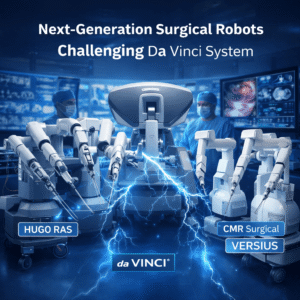
- Manufacturer Training Programs – Training directly from robotic system companies (e.g., da Vinci)
- Simulation Labs – Practice procedures using mock OR setups and virtual reality simulators
- Continuing Education Courses – Specialty certifications focusing on robotic-assisted techniques
Tip: Combine practical exposure with theoretical knowledge for maximum competency.
Career Benefits of Robotic Surgery Skills
Technologists with robotic skills enjoy several advantages:
- Higher employability: Many hospitals prefer OR staff trained in robotic procedures
- Specialized roles: Opportunities in robotics-only surgical teams
- Higher salaries: Robotic-trained technologists often earn more due to advanced expertise
- Global opportunities: Robotic surgery skills are in demand internationally, including the USA, UK, Europe, and the Middle East
Investing in robotic surgery training is a strategic career move with long-term benefits.
Common Mistakes to Avoid
- Relying solely on theoretical knowledge without hands-on practice
- Ignoring updates in robotic surgical technology
- Failing to communicate effectively with the surgical team during procedures
- Not documenting learning progress or certifications
Avoiding these mistakes ensures technologists remain competent and highly employable.
Practical Tips for Success
- Shadow experienced robotic surgery teams to learn workflow nuances
- Attend manufacturer workshops to understand the latest technology
- Practice instrument exchange and setup repeatedly
- Keep a log of procedures assisted to demonstrate experience for future employers
Remember: Mastery comes from repetition, observation, and active learning.
(FAQs)
Do all surgical technologists need robotic surgery skills?
Not necessarily, but having these skills significantly improves job opportunities and career growth.
How long does it take to become proficient in robotic surgery?
Most technologists require 3–6 months of hands-on training, depending on procedure complexity and prior experience.
Are there certifications specifically for robotic surgery?
Yes. Some hospitals and training providers offer specialty certificates in robotic surgery, often recognized globally.
Can I learn robotic surgery skills while working full-time?
Yes, many workshops and simulation programs are designed for working professionals with flexible schedules.
Is robotic surgery experience recognized internationally?
Yes. Robotic-trained technologists are in high demand worldwide, especially in advanced hospitals and specialty surgical centers.
Final Thoughts
Robotic surgery represents the future of minimally invasive procedures, and surgical technologists play a crucial role in its success. By mastering robotic system familiarity, advanced instrument handling, sterile field setup, and teamwork, technologists can enhance their career prospects and professional reputation.
For medical students and aspiring OR professionals, investing time in robotic surgery training is not just an option—it’s a strategic step toward a competitive and rewarding career in surgical technology.
Disclaimer:
”The information provided on this website is for general informational and educational purposes only. All content is published in good faith and is intended to offer helpful guidance to readers worldwide. However, we make no guarantees about the completeness, reliability, or accuracy of the information presented.”