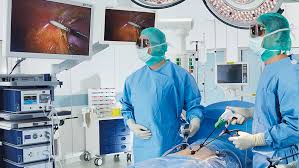
What Does a Surgical Technologist Do? Daily Duties Explained
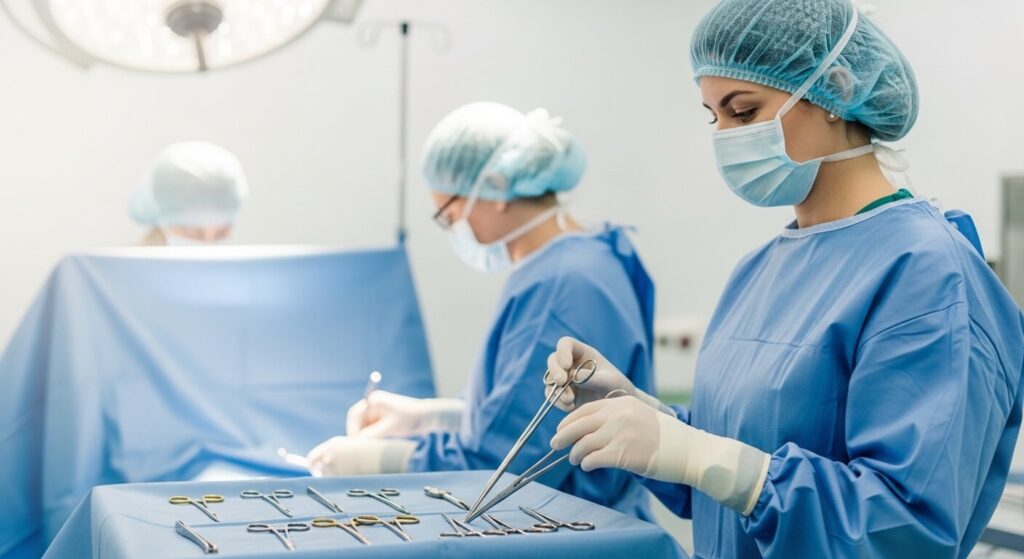
What Does a Surgical Technologist Do Daily Duties Explained
Introduction
Surgery is a highly coordinated process that depends on more than just the surgeon’s skills. Behind every successful operation is a team of professionals who ensure that the procedure is performed safely, efficiently, and without unnecessary risk. One of the most important members of this team is the surgical technologist.
A surgical technologist is responsible for preparing the operating room, supporting the surgical team during procedures, and maintaining safety standards throughout the surgical process. Although they work largely behind the scenes, their role has a direct impact on patient outcomes.
This article explains the daily duties of a surgical technologist in a clear and structured way, making it useful for medical students, healthcare professionals, and anyone considering a career in surgical technology.
Who Is a Surgical Technologist?
A surgical technologist is a trained healthcare professional who works alongside surgeons, anesthesiologists, and nurses in the operating room. Their primary role is to manage surgical instruments, maintain cleanliness, and assist the surgical team before, during, and after procedures.
They do not perform surgery themselves, but their work ensures that surgeons can operate in a well-prepared and controlled environment. Because of this, surgical technologists are considered a vital part of the surgical team.
Where Do Surgical Technologists Work?
Most surgical technologists work in hospital operating rooms, but their skills are also needed in outpatient surgical centers, emergency departments, and specialty clinics. Regardless of the setting, they operate in environments that require strict discipline, focus, and adherence to safety protocols.
Operating rooms are fast-paced and detail-oriented spaces. Surgical technologists must remain alert, organized, and calm, even during long or complex procedures.
Daily Duties of a Surgical Technologist
The responsibilities of a surgical technologist are usually divided into three phases: before surgery, during surgery, and after surgery. Each phase plays a critical role in ensuring patient safety and surgical success.
Duties Before Surgery
Before a surgical procedure begins, the surgical technologist prepares the operating room and ensures that everything needed for the surgery is ready. This stage focuses heavily on organization and prevention of errors.
Key responsibilities before surgery include:
- Preparing and organizing the operating room according to procedure requirements
- Ensuring all surgical instruments are properly cleaned and sterilized
- Arranging tools and supplies in the correct order for easy access
- Reviewing the surgical plan with the team
In many cases, surgical technologists also assist with patient preparation. They help position the patient correctly, assist with surgical draping, and make sure safety guidelines are followed. Proper preparation at this stage helps prevent complications later in the procedure.
Duties During Surgery
During surgery, surgical technologists play an active and highly focused role. Their main responsibility is to maintain a sterile environment while supporting the surgeon and surgical team.
- Common duties during surgery include:
- Passing surgical instruments to the surgeon as needed
- Anticipating the surgeon’s next steps based on the procedure
- Monitoring instruments and supplies throughout the operation
- Ensuring that sterile areas are not contaminated
They are also responsible for keeping accurate counts of instruments and materials used during the procedure. This is a critical safety measure that helps prevent serious surgical errors.
Duties After Surgery
Once the surgery is completed, the surgical technologist’s work continues. Post-surgery responsibilities focus on safety, cleanliness, and preparation for future procedures.
- After surgery, surgical technologists typically:
- Perform final instrument and material counts
- Assist with cleaning and organizing the operating room
- Ensure instruments are properly handled for sterilization
- Help prepare the room for the next procedure
These steps ensure that operating rooms remain safe, efficient, and ready for continuous use.
Skills Required to Be a Surgical Technologist
To succeed in this role, surgical technologists need a balance of practical skills and personal qualities. Attention to detail is essential, as even small mistakes can affect patient safety. Strong communication skills are also important because they work closely with surgeons, nurses, and other healthcare professionals.
Physical stamina is another key requirement, as surgical technologists often stand for long periods. Equally important is the ability to remain calm under pressure, especially during complex or emergency procedures.
Why Surgical Technologists Are Critical for Patient Safety
Surgical technologists play a direct role in protecting patients. By maintaining cleanliness, managing instruments accurately, and supporting the surgical team, they help reduce the risk of infection and surgical complications.
Their work supports safety systems used in operating rooms worldwide. Many patient safety protocols rely heavily on the careful attention and discipline of surgical technologists.
Work Schedule and Lifestyle
Most surgical technologists work full-time and may be required to work early mornings, evenings, weekends, or on-call shifts. Hospitals, in particular, operate around the clock, which means flexibility is often required.
Although the job can be demanding, many professionals find it rewarding because they are part of meaningful, life-saving work.
Career Growth Opportunities
With experience, surgical technologists can advance into senior roles within the operating room. Some choose to specialize in specific types of surgery, while others move into education, training, or supervisory positions.
Continuous learning is common in this field, especially as surgical methods and technology continue to evolve.
Final Thoughts
Surgical technologists are essential members of modern healthcare teams. Their daily duties support surgeons, protect patients, and ensure that surgical procedures are performed safely and efficiently. While their work may not always be visible, its impact is significant. If you want to learn more about becoming a surgical technologist, explore our complete guide to surgical technologists for detailed information on responsibilities, certifications, and career opportunities.
For medical students, healthcare professionals, or individuals exploring surgical careers, understanding the role of a surgical technologist offers valuable insight into how successful surgeries truly happen.
FAQs
Is a surgical technologist the same as a nurse?
No. Surgical technologists focus on assisting during surgical procedures, while nurses have broader responsibilities related to patient care.
Do surgical technologists interact with patients?
Yes, but usually only before and after surgery, not during long-term care.
Is this role suitable for medical students?
Yes. It provides valuable exposure to surgical environments and teamwork.
Is the job stressful?
Like many healthcare roles, it can be demanding, but proper training and experience help manage stress effectively.
Is surgical technology a respected profession?
Yes. Within surgical teams, surgical technologists are highly respected for their precision and reliability.
Disclaimer: This blog is provided for informational purposes only and should not be considered professional or medical advice.