Top 7 Benefits of Minimally Invasive Surgery You Should Know
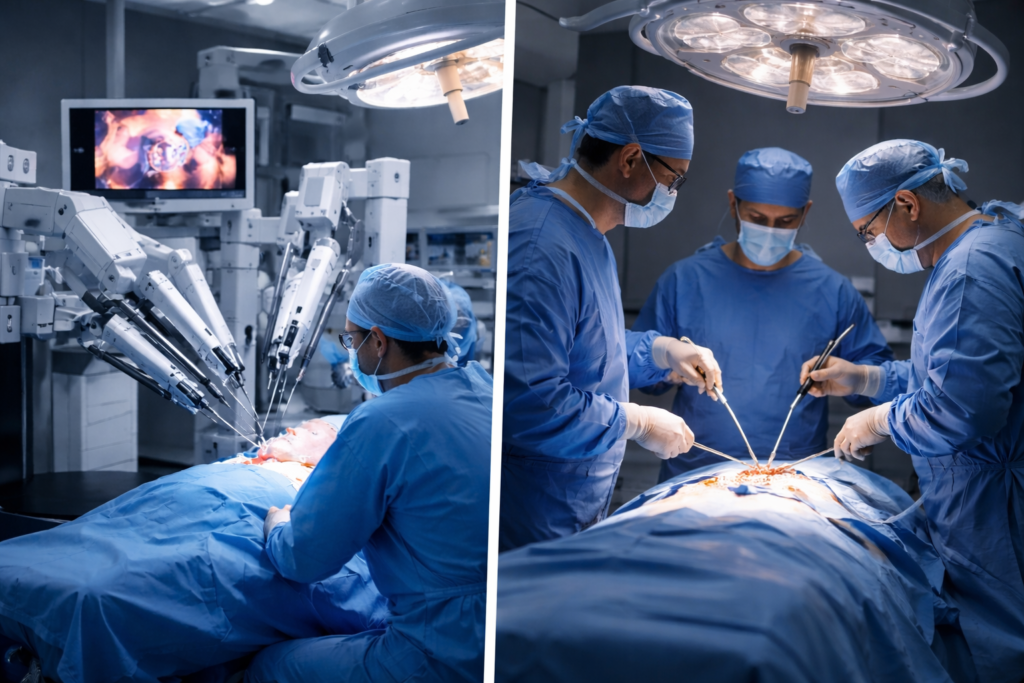
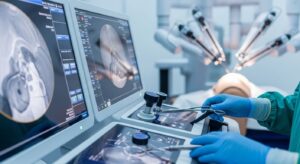
Illustration of robotic-assisted and laparoscopic minimally invasive surgery in a high-tech, modern operating room.
Minimally invasive surgery (MIS) is transforming the way surgeons perform procedures worldwide. Unlike traditional open surgery, MIS uses advanced techniques such as small incisions, laparoscopic tools, and sometimes robotic assistance to reduce trauma and speed up recovery. Patients increasingly prefer MIS for its numerous benefits, ranging from shorter hospital stays to reduced pain and scarring.
In this article, we explore the top 7 benefits of minimally invasive surgery, backed by evidence and practical insights for patients seeking safer, faster, and more effective surgical options.
What Is Minimally Invasive Surgery?
Minimally invasive surgery refers to procedures performed through tiny incisions, often aided by specialized cameras, laparoscopes, or robotic systems. Surgeons navigate these tools to perform operations without the need for large incisions, preserving surrounding tissue and reducing complications.
Key Features of MIS:
- Small, precise incisions
- Use of high-definition cameras or robotic assistance
- Reduced tissue trauma
- Faster recovery and less postoperative pain
Common Minimally Invasive Procedures Include:
- Gallbladder removal (cholecystectomy)
- Hernia repair
- Appendectomy
- Colorectal surgery
- Gynecological procedures (hysterectomy, endometriosis)
- Cardiac procedures
- Urological surgeries (prostate, kidney)
Top 7 Benefits of Minimally Invasive Surgery
1. Reduced Pain and Discomfort
One of the most significant benefits of MIS is less postoperative pain compared to traditional open surgery. Smaller incisions result in less tissue trauma, which means:
- Lower dependency on pain medication
- Improved mobility after surgery
- Faster return to normal daily activities
2. Shorter Hospital Stay
Minimally invasive surgery often allows patients to leave the hospital sooner, sometimes within a day or two. Benefits include:
- Lower hospital costs
- Reduced risk of hospital-acquired infections
- Greater comfort and convenience for patients
3. Faster Recovery and Return to Daily Life
Due to smaller incisions and less trauma, patients experience a quicker recovery period. This translates to:
- Faster return to work
- Ability to resume exercise and normal routines sooner
- Reduced overall disruption to lifestyle
4. Minimal Scarring
Unlike traditional open surgery, MIS leaves tiny, often barely noticeable scars, which is a major cosmetic advantage. Patients can benefit from:
- Improved self-confidence
- Reduced risk of scar-related complications
- Better aesthetic outcomes
5. Reduced Risk of Infection
Smaller incisions reduce exposure to bacteria and external contaminants. This leads to:
- Lower infection rates
- Reduced complications like wound infections or sepsis
- Safer recovery overall
6. Less Blood Loss
Minimally invasive surgery techniques allow for precise movements, which reduces tissue damage and blood loss. Benefits include:
- Lower risk of anemia
- Reduced need for blood transfusions
- Safer outcomes in complex surgeries
7. Advanced Technology Integration
Many MIS procedures use robotic-assisted systems or high-definition laparoscopes, offering:
- Enhanced surgical precision
- Better visualization of organs
- Ability to perform complex procedures safely
How Minimally Invasive Surgery Compares to Traditional Surgery
| Feature | Minimally Invasive Surgery | Traditional Surgery |
|---|---|---|
| Incision Size | Small | Large |
| Postoperative Pain | Low | Higher |
| Hospital Stay | Short | Long |
| Recovery Time | Fast | Slow |
| Risk of Infection | Low | Higher |
| Blood Loss | Minimal | Higher |
| Cosmetic Outcome | Minimal Scarring | Larger Scars |
Patient Considerations for Minimally Invasive Surgery
While MIS offers many benefits, it may not be suitable for all patients. Factors influencing eligibility include:
Type of Surgical Condition
- Patient’s medical history and overall health
- Surgeon’s expertise and available technology
- Patients should always consult with a specialized surgeon to determine whether MIS is appropriate.
- Emerging Trends in Minimally Invasive Surgery
- Advancements in surgical technology are constantly improving MIS outcomes:
- Robotic-assisted surgery allows greater precision and flexibility.
- 3D high-definition cameras enhance visualization of surgical areas.
- AI-assisted tools help predict surgical risks and improve planning.
FAQs
1. What is the main advantage of minimally invasive surgery?
Minimally invasive surgery reduces pain, shortens hospital stays, and allows faster recovery compared to traditional open surgery.
2. Is minimally invasive surgery safe?
Yes, it is generally very safe when performed by trained surgeons using modern equipment. It also reduces risks of infection and blood loss.
3. Which procedures can be performed using minimally invasive surgery?
Common procedures include gallbladder removal, hernia repair, hysterectomy, appendectomy, and certain cardiac or urological surgeries.
4. How long does recovery take after minimally invasive surgery?
Recovery time is shorter than traditional surgery, often ranging from a few days to 2–3 weeks depending on the procedure.
5. Are there any risks associated with minimally invasive surgery?
While generally safe, MIS may not be suitable for complex or emergency cases. Risks depend on the patient’s health and the type of surgery.