New Surgical Robots Approved in the USA & UK
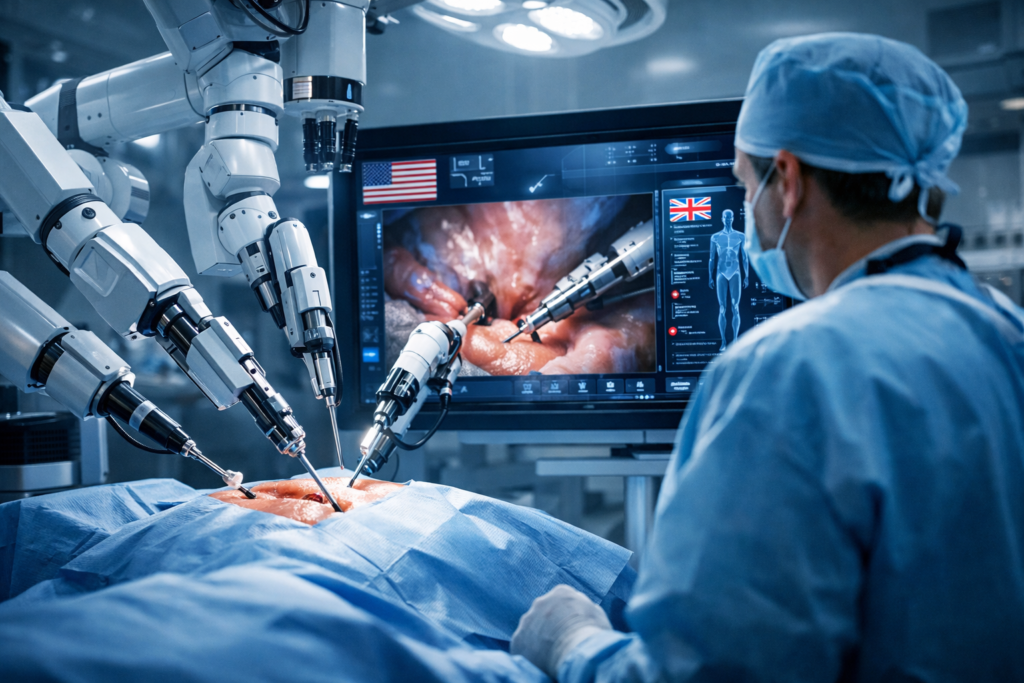
Next-generation surgical robots approved in the USA and UK are revolutionizing precision surgery.
Introduction
Surgical robotics is entering a new era as advanced robotic systems receive regulatory approval in the United States and the United Kingdom. These approvals mark a major milestone in global healthcare, enabling hospitals worldwide to adopt cutting-edge robotic technologies that improve surgical precision, patient safety, and clinical outcomes.
From minimally invasive procedures to complex surgeries, new surgical robots approved in the USA and UK are reshaping modern operating rooms. This article explores the latest approvals, key technologies, clinical benefits, and the global impact of robotic surgery.
The Rise of Robotic Surgery Worldwide
Robotic surgery has evolved from a specialized innovation to a mainstream surgical solution. Healthcare systems across North America, Europe, Asia, and the Middle East are investing heavily in robotic platforms to address rising patient demand and complex surgical cases.
Key drivers behind global robotic surgery adoption include:
- Demand for minimally invasive procedures
- Improved surgical accuracy and control
- Reduced patient recovery time
- Enhanced surgeon ergonomics
- Better long-term patient outcomes
Approvals in the USA and UK often influence adoption decisions worldwide, making them global benchmarks for surgical technology.
Regulatory Approval Process in the USA & UK
Approval in the United States
In the USA, surgical robots must meet strict safety and performance standards before clinical use. Regulatory review focuses on:
- Patient safety
- System reliability
- Clinical effectiveness
- Risk management
Once approved, these robotic systems can be used in hospitals, surgical centres, and teaching institutions across the country.
Approval in the United Kingdom
In the UK, surgical robots undergo rigorous evaluation before being approved for use within healthcare systems. These assessments ensure:
- Clinical safety
- Cost-effectiveness
- Compatibility with healthcare infrastructure
Approval in the UK also supports broader adoption across Europe and other regions.
Newly Approved Surgical Robots: Key Innovations
Next-Generation Robotic Platforms
The latest approved surgical robots feature advanced designs that allow greater flexibility and precision. Improvements include:
- Enhanced robotic arms with improved dexterity
- High-definition 3D visualization systems
- Intuitive surgeon control interfaces
- Compact designs for modern operating rooms
- These platforms are suitable for a wide range of surgical specialities.
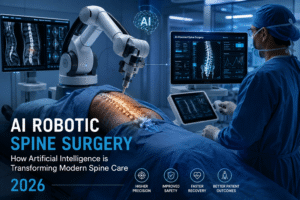
- AI-Integrated Surgical Robotics
- Artificial intelligence is now being integrated into surgical robots, enabling:
- Real-time data analysis
- Enhanced surgical guidance
- Improved decision-making during procedures
- Reduced risk of human error
AI-enabled robotic systems represent a significant leap forward in surgical innovation.
Surgical Specialities Benefiting from New Robotic Systems
General and Minimally Invasive Surgery
Robotic systems are widely used in minimally invasive procedures such as hernia repair, gallbladder surgery, and colorectal procedures. Benefits include:
- Smaller incisions
- Reduced blood loss
- Faster patient recovery
Orthopaedic and Joint Replacement Surgery
New robotic platforms assist surgeons in joint replacement procedures by improving implant positioning and alignment. This results in:
- Longer implant lifespan
- Better patient mobility
- Reduced revision surgeries
- Urology and Gynaecology
Robotic surgery continues to transform urology and gynaecology by enabling highly precise procedures in confined anatomical spaces. Patients experience less post-operative pain and shorter hospital stays.
Benefits of Newly Approved Surgical Robots
Patients benefit from robotic surgery through:
- Improved Patient Outcomes
- Lower complication rates
- Reduced infection risk
- Shorter hospital stays
- Faster return to normal activities
- Enhanced Surgeon Performance
- Robotic systems provide surgeons with:
- Superior visualization
- Greater precision
- Improved ergonomics
- Reduced physical strain
This leads to better surgical consistency and outcomes.
Impact on Global Healthcare Systems
Influence Beyond the USA & UK
Approval of surgical robots in the USA and UK often accelerates global acceptance. Many countries reference these approvals when evaluating new medical technologies, making them influential on a global scale.
Adoption in Emerging Markets
As robotic technology becomes more accessible, hospitals in emerging markets are beginning to invest in robotic surgery. This expansion improves access to advanced surgical care worldwide.
Training and Workforce Implications
Demand for Skilled Surgical Professionals
The adoption of robotic surgery increases demand for:
- Trained surgeons
- Surgical technologists
- Biomedical engineers
- Robotics specialists
Healthcare professionals must undergo specialized training to operate and maintain robotic systems safely.
Robotic Surgery Education Programs
Medical institutions worldwide are introducing robotic surgery training programs using simulation, virtual reality, and hands-on experience to ensure safe implementation.
Challenges and Limitations of Robotic Surgery
Despite its advantages, robotic surgery faces challenges such as:
- High equipment costs
- Maintenance and upgrade expenses
- Training requirements
- Limited availability in some regions
Healthcare systems must balance innovation with affordability and accessibility.
Future Trends in Surgical Robotics
The future of surgical robotics is expected to focus on:
- Greater automation
- Remote and neurosurgery capabilities
- Enhanced AI integration
- Smaller, more affordable robotic platforms
- Global standardization of robotic surgical practices
These advancements will further expand access to robotic surgery worldwide.
Ethical and Safety Considerations
As robotic systems become more autonomous, ethical considerations such as patient consent, data security, and system accountability are gaining importance. Regulators and healthcare providers are working together to ensure responsible use of surgical robotics.
Conclusion
The approval of new surgical robots in the USA and UK represents a major advancement in global surgical care. These technologies are improving surgical precision, enhancing patient safety, and setting new standards for healthcare systems worldwide.
As robotic surgery continues to evolve, its global impact will grow—transforming operating rooms, improving patient outcomes, and shaping the future of modern medicine.