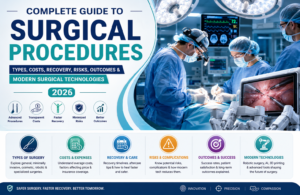
What Is a Surgical Procedure? A Complete Guide for Patients, Students, and Healthcare Professionals
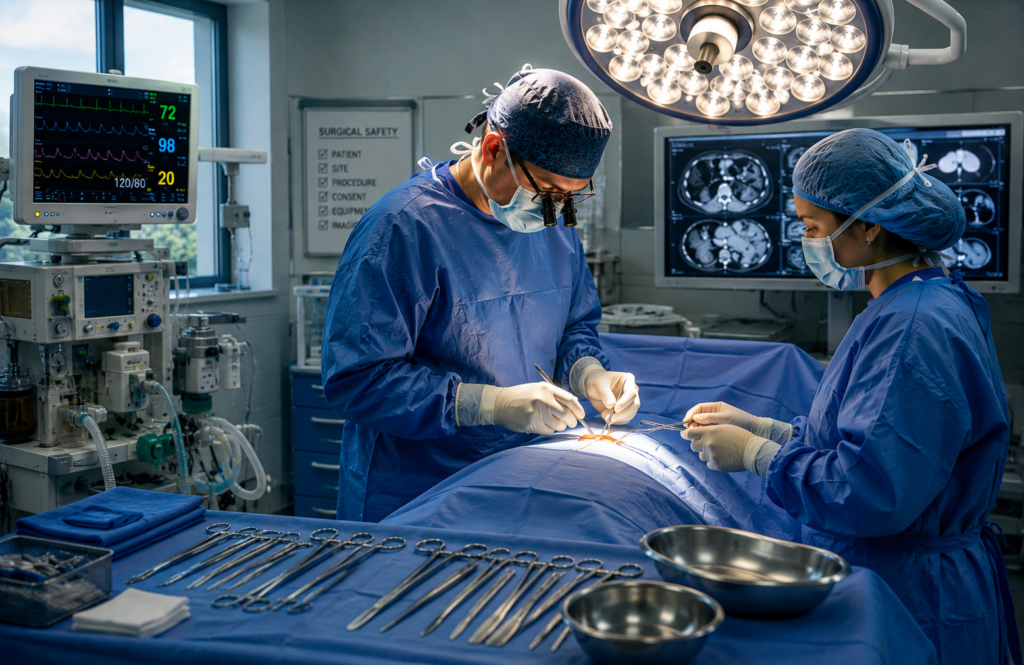
What Is a Surgical Procedure A Complete Guide for Patients, Students, and Healthcare Professionals
What Is a Surgical Procedure?
A surgical procedure is a medical intervention performed by a surgeon using specialized instruments and techniques to diagnose, treat, repair, remove, or improve a disease, injury, deformity, or medical condition. Surgical procedures may involve making an incision, manipulating tissues, repairing damaged structures, removing diseased organs, or using minimally invasive technologies to achieve therapeutic outcomes.
Surgery is one of the oldest and most important branches of medicine. Today, modern surgical procedures combine advanced technology, evidence-based medicine, anesthesia, sterile techniques, and highly trained healthcare teams to improve patient outcomes and safety.
Whether it is a simple skin biopsy, a knee replacement, a heart bypass operation, or robotic-assisted surgery, every surgical procedure follows a structured process designed to deliver the best possible clinical results.
Quick Answer
A surgical procedure is a medical operation performed to diagnose, treat, repair, remove, or prevent a health condition. Surgical procedures can be elective, urgent, or emergency-based and may involve open surgery, minimally invasive surgery, laparoscopic surgery, or robotic-assisted surgery.
Why Are Surgical Procedures Performed?
Healthcare providers recommend surgery when non-surgical treatments are insufficient or when immediate intervention is necessary.
Common reasons include:
- Removing tumors or cancerous tissue
- Repairing fractures and injuries
- Treating infections
- Correcting birth defects
- Restoring organ function
- Relieving chronic pain
- Performing organ transplants
- Diagnosing medical conditions through biopsies
- Improving quality of life
The primary goal is to restore health, improve function, reduce symptoms, or prevent disease progression.
Types of Surgical Procedures
Understanding the different types of surgery helps patients make informed decisions about their treatment.
1. Elective Surgery
Elective surgery is planned in advance and is not considered an emergency.
Examples include:
- Joint replacement
- Cataract surgery
- Hernia repair
- Cosmetic procedures
These surgeries improve quality of life and can usually be scheduled at a convenient time.
2. Urgent Surgery
Urgent procedures require prompt treatment, often within hours or days, to prevent complications.
Examples include:
- Gallbladder removal for severe inflammation
- Treatment of internal bleeding
- Certain cancer surgeries
3. Emergency Surgery
Emergency surgeries are performed immediately to save life, limb, or organ function.
Examples include:
- Appendectomy for a ruptured appendix
- Trauma surgery
- Emergency cesarean section
4. Diagnostic Surgery
Diagnostic procedures help identify diseases and confirm diagnoses.
Examples include:
- Biopsy
- Exploratory laparoscopy
- Endoscopic surgical procedures
5. Curative Surgery
Curative procedures aim to completely eliminate a disease or medical condition.
Examples include:
- Tumor removal
- Organ removal for localized cancer
6. Reconstructive Surgery
These procedures restore appearance or function after injury, disease, or congenital conditions.
Examples include:
- Breast reconstruction
- Skin grafting
- Facial reconstruction
Major vs Minor Surgical Procedures
Major Surgery
Major surgery involves:
- Significant tissue manipulation
- General anesthesia
- Longer recovery periods
- Higher risk levels
Examples:
- Heart surgery
- Organ transplantation
- Brain surgery
Minor Surgery
Minor surgery generally involves:
- Limited tissue involvement
- Local anesthesia
- Short recovery periods
- Lower risk
Examples:
- Mole removal
- Skin biopsies
- Abscess drainage
Surgical Approaches Used in Modern Medicine
Open Surgery
Open surgery requires larger incisions to access the surgical site directly.
Advantages:
- Better visibility
- Effective for complex procedures
Limitations:
- Longer recovery
- Increased postoperative discomfort
Minimally Invasive Surgery
Minimally invasive surgery uses small incisions and specialized instruments.
Benefits include:
- Reduced pain
- Shorter hospital stays
- Faster recovery
- Lower infection risk
Laparoscopic Surgery
Laparoscopic surgery uses a camera and specialized instruments inserted through small incisions.
Common procedures include:
- Gallbladder removal
- Appendectomy
- Bariatric surgery
Robotic-Assisted Surgery
Robotic systems enhance precision and control during complex operations.
Benefits include:
- Improved accuracy
- Reduced blood loss
- Smaller incisions
- Faster healing
Modern healthcare systems in both the USA and UK continue expanding robotic-assisted surgical programs across multiple specialties.
The Three Phases of a Surgical Procedure
Every surgical procedure follows a perioperative pathway consisting of three major phases.
1. Preoperative Phase
The preoperative phase begins when surgery is recommended and continues until the patient enters the operating room.
Activities include:
- Medical evaluation
- Diagnostic testing
- Patient education
- Surgical consent
- Anesthesia assessment
- Medication review
The goal is to optimize patient health and reduce surgical risks.
2. Intraoperative Phase
The intraoperative phase refers to the actual surgical procedure performed in the operating room.
This stage includes:
- Anesthesia administration
- Surgical site preparation
- Performance of the operation
- Continuous monitoring of vital signs
Patient safety protocols and sterile techniques are maintained throughout the procedure.
3. Postoperative Phase
The postoperative phase begins after surgery and continues through recovery.
Activities include:
- Pain management
- Wound care
- Monitoring for complications
- Rehabilitation
- Follow-up appointments
Successful postoperative care significantly impacts overall surgical outcomes.
Who Is Involved in a Surgical Procedure?
Successful surgery requires collaboration among multiple healthcare professionals.
Surgeon
The surgeon performs the procedure and directs surgical care.
Anesthesiologist
Responsible for anesthesia administration and patient monitoring.
Surgical Technologist
Prepares instruments, maintains sterility, and assists during surgery.
Scrub Nurse
Supports the surgeon by managing instruments and supplies.
Circulating Nurse
Coordinates operating room activities and ensures patient safety.
A highly coordinated surgical team is essential for optimal outcomes.
Anesthesia in Surgical Procedures
Anesthesia allows procedures to be performed safely and comfortably.
General Anesthesia
Patient is completely unconscious.
Regional Anesthesia
Specific body regions are numbed.
Local Anesthesia
Only the treatment area is anesthetized.
Sedation
Produces relaxation while maintaining varying levels of consciousness.
The type of anesthesia depends on procedure complexity, patient health, and surgeon recommendations.
Risks and Complications of Surgical Procedures
Although modern surgery is generally safe, every procedure carries some risk.
Potential complications include:
- Infection
- Excessive bleeding
- Blood clots
- Anesthesia reactions
- Delayed healing
- Organ injury
- Surgical site complications
Healthcare organizations use evidence-based safety measures to minimize these risks.
Recovery After Surgery
Recovery time varies based on:
- Procedure type
- Patient age
- Overall health
- Surgical approach
- Presence of complications
Patients can support recovery through:
- Following medical instructions
- Attending follow-up visits
- Proper wound care
- Adequate hydration
- Healthy nutrition
- Gradual physical activity
Postoperative care is often just as important as the procedure itself.
Modern Technologies Transforming Surgical Procedures
The future of surgery is being shaped by advanced technologies.
Key innovations include:
- Robotic surgery systems
- Artificial intelligence-assisted planning
- 3D surgical imaging
- Augmented reality guidance
- Smart operating rooms
- Computer-assisted navigation
These technologies improve surgical precision, reduce complications, and enhance patient outcomes.
Surgical Procedures in the USA and UK
Healthcare systems in the United States and United Kingdom perform millions of surgical procedures annually across specialties such as:
- General Surgery
- Orthopedic Surgery
- Cardiovascular Surgery
- Neurosurgery
- Plastic Surgery
- Urologic Surgery
- Gynecologic Surgery
- Pediatric Surgery
Growing demand for surgical services is driving increased adoption of minimally invasive and technology-assisted procedures throughout both countries.
FAQs
What is considered a surgical procedure?
Any medical operation that involves treating, diagnosing, repairing, removing, or modifying tissue using specialized surgical techniques and instruments.
What is the difference between surgery and a procedure?
All surgeries are medical procedures, but not all medical procedures are surgeries. Surgery generally involves operative intervention and specialized surgical environments.
Are surgical procedures safe?
Modern surgical procedures are generally very safe due to advances in anesthesia, sterilization, surgical techniques, and patient monitoring. However, every procedure carries some degree of risk.
How long does recovery take after surgery?
Recovery depends on the type of procedure, patient health status, and postoperative care plan. Recovery may range from a few days to several months.
Conclusion
A surgical procedure is a structured medical intervention designed to diagnose, treat, repair, or prevent disease and injury. From preoperative planning and anesthesia to postoperative recovery and rehabilitation, surgery involves a coordinated healthcare team focused on patient safety and successful outcomes.
As modern healthcare continues evolving through robotic surgery, minimally invasive techniques, artificial intelligence, and advanced surgical technologies, patients in the USA and UK can benefit from safer procedures, faster recovery times, and improved long-term results. Understanding the surgical process empowers patients to make informed healthcare decisions and approach surgery with confidence.
Medical Disclaimer:
This content is for informational and educational purposes only and does not constitute medical advice, diagnosis, or treatment. Always seek the guidance of a qualified healthcare professional regarding any medical condition or surgical procedure. Never disregard professional medical advice based on information found on this website.
Author: SurgicalTeck Editorial Team
Reviewed For Educational Accuracy: Healthcare and Surgical Technology Research Sources