Understanding Hernia Repair Procedures for Beginners
Understanding Hernia Repair Procedures for Beginners
Introduction
Hearing the word “hernia” can be confusing, especially if you have never dealt with one before. Many people imagine something serious or life-threatening. Others ignore it, thinking it is just a small swelling that will go away on its own. The truth lies somewhere in between. A hernia is common, treatable, and in most cases, manageable with the right medical care.
If you or someone close to you has been told they have a hernia, you probably have many questions. What exactly is it? Do you really need surgery? Is it painful? How long does recovery take? And most importantly, is it dangerous?
This beginner-friendly guide will walk you through everything in clear and simple language. No confusing medical words. No overwhelming details. Just practical, easy-to-understand information that helps you feel confident and informed.
We will explore the different types of hernias, how doctors diagnose them, when surgery is needed, and what recovery looks like. Whether you live in the United States, Europe, Asia, Africa, or anywhere else in the world, the basic understanding of hernia repair remains similar.
Think of this guide as a roadmap. By the end, you will not only understand hernia repair procedures but also feel prepared to make informed decisions about your health.
Let’s start with the basics.
What Exactly Is a Hernia?
A hernia happens when an internal part of your body pushes through a weak spot in the surrounding muscle or tissue. Imagine a worn-out tire with a weak patch. When pressure builds inside, that weak spot bulges outward. A hernia works in a similar way.
Inside your abdomen, muscles act like strong walls that keep everything in place. But sometimes, due to strain or weakness, a small opening develops. Through that opening, tissue or part of an organ may push out, creating a visible or noticeable bulge.
Hernias do not always cause pain. In fact, many people first notice a small lump while standing, coughing, or lifting something heavy. The bulge may disappear when lying down. This can make it easy to ignore. But ignoring it is not always the best idea.
Hernias usually do not heal on their own. Unlike a cut on your skin, the muscle wall does not automatically close back up. Over time, the bulge can grow larger or become uncomfortable.
Here are some common causes of hernia:
- Heavy lifting without proper support
- Chronic coughing
- Constipation and straining during bowel movements
- Pregnancy
- Obesity
- Previous abdominal surgery
Some people are born with weaker muscle areas, which increases their risk.
The important thing to remember is this: a hernia is not your fault. It is a physical condition that can happen to anyone. Understanding it is the first step toward managing it properly.
Different Types of Hernias Explained
Not all hernias are the same. They can occur in different parts of the body, and each type has slightly different symptoms and treatment approaches. Let’s break them down in simple terms.
Inguinal Hernia
This is the most common type, especially in men. It appears in the groin area. You might notice a bulge near your inner thigh or lower abdomen. It can feel heavier or more painful when you cough or lift something.
Inguinal hernias happen because this area naturally has a small opening where blood vessels pass through. Over time, that opening may weaken.
Umbilical Hernia
This type occurs near the belly button. It is common in babies but can also affect adults. In adults, it is often linked to pregnancy or excess weight.
You may see a soft swelling around the navel that becomes more visible when laughing or straining.
Hiatal Hernia
Unlike other hernias, this one does not cause a visible bulge. It happens when part of the stomach pushes upward into the chest through the diaphragm. Symptoms often include heartburn, chest discomfort, or acid reflux.
Incisional Hernia
This type develops at the site of a previous surgery. If the surgical wound does not heal strongly, a weak spot can form.
Understanding which type you have is important because it helps determine the best treatment plan.
Different hernias require different approaches. That is why proper diagnosis by a healthcare professional is essential.
Common Symptoms of a Hernia
How do you know if you have a hernia? The symptoms can vary depending on the type, but some signs are common across most cases.
The most noticeable symptom is a bulge or lump. You may see it when standing or feel it when touching the area. Sometimes it disappears when lying down.
Other common symptoms include:
- A heavy or dragging sensation
- Mild to moderate pain
- Burning or aching feeling
- Discomfort while bending or lifting
- Pressure in the abdomen
In some cases, hernias cause little to no pain. That is why many people delay seeking help.
However, there are warning signs you should never ignore:
- Sudden severe pain
- Nausea or vomiting
- Redness or darkening of the bulge
- Inability to push the bulge back in
These symptoms may signal a serious complication where blood supply is cut off. This requires immediate medical attention.
Listening to your body is key. If something feels unusual, it is better to consult a doctor early rather than wait for the problem to worsen.
How Doctors Diagnose a Hernia
Diagnosing a hernia is usually straightforward. In most cases, a doctor can identify it during a physical examination.
During the visit, you may be asked to stand, cough, or strain slightly. This helps make the bulge more visible. The doctor will gently feel the area to check for weakness or swelling.
If the hernia is not clearly visible, imaging tests may be recommended. These can include:
- Ultrasound
- CT scan
- MRI
These tests help confirm the diagnosis and determine the size and location of the hernia.
The good news? Diagnosis is typically quick and painless. Most appointments take less than 30 minutes.
Once confirmed, your doctor will discuss whether surgery is needed or if monitoring is enough.
Understanding your diagnosis empowers you to make informed choices about treatment.
Do All Hernias Need Surgery?
This is one of the first questions people ask after hearing the word “hernia.” The honest answer? Not always — but most hernias eventually do require surgery.
Let’s break it down in simple terms.
A hernia is like a small tear in a wall. That tear does not magically close on its own. Unlike a muscle strain that heals with rest, a hernia is a structural weakness. Over time, pressure from daily activities — walking, coughing, lifting, even laughing — can make the bulge bigger.
However, not every hernia needs immediate surgery.
When Watchful Waiting Is Safe
Doctors may suggest “watchful waiting” if:
- The hernia is small
- It causes little or no pain
- It does not interfere with daily life
- There are no warning signs
In this situation, regular check-ups are important. You’ll monitor for changes in size, pain, or new symptoms.
Many people live comfortably for years with a small hernia. But here’s the key point: it will not disappear on its own.
When Surgery Becomes Necessary
Surgery becomes the recommended option if:
- Pain increases
- The bulge grows larger
- Daily activities become uncomfortable
There’s a risk of complications
If blood flow to the trapped tissue gets blocked, it becomes a medical emergency. That’s why doctors often advise planned surgery rather than waiting for a crisis.
Think of it like fixing a small crack in your house wall. Repairing it early is easier, safer, and less stressful than waiting for the damage to spread.
In most cases, hernia repair surgery is safe, common, and highly successful worldwide. Millions of procedures are performed each year with excellent outcomes.
The real question isn’t “Do I need surgery today?” It’s “When is the right time to fix this properly?”
Understanding Hernia Repair Procedures
Now let’s talk about what actually happens during hernia repair.
The goal of surgery is simple: push the bulging tissue back into place and strengthen the weak muscle area.
There are three main types of hernia repair procedures. The right one depends on your hernia type, size, overall health, and surgeon’s recommendation.
Open Hernia Repair
This is the traditional method and still widely used across the world.
Here’s how it works:
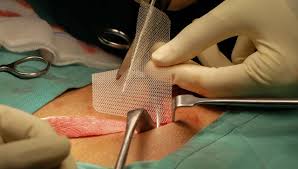
- A single cut is made near the hernia.
- The bulging tissue is gently pushed back inside.
- The weak muscle area is stitched.
- Often, a soft medical mesh is placed to reinforce the area.
The mesh acts like a supportive patch. Think of it as reinforcing a weak spot in a wall with strong netting.
Open surgery is:
- Effective
- Widely available globally
- Suitable for larger hernias
Recovery may take a few weeks, but most people return to normal activities gradually.
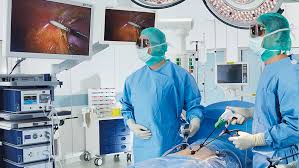
Laparoscopic Hernia Repair
This is often called “keyhole surgery.”
Instead of one large cut, the surgeon makes a few small cuts. A tiny camera is inserted to guide the repair.
Benefits include:
- Smaller scars
- Less pain after surgery
- Faster recovery
- Shorter hospital stay
However, not everyone is a candidate. It depends on the type and size of the hernia.
Robotic Hernia Repair
This is a newer technique available in advanced medical centers. It is similar to laparoscopic surgery but uses robotic assistance for precision.
While effective, it may not be available everywhere and can be more expensive.
No matter which method is used, the success rate is high when performed by experienced surgeons.
How to Prepare for Hernia Surgery
Preparing properly can make your surgery smoother and recovery faster.
Here’s what usually happens before the procedure:
- Medical evaluation and blood tests
- Discussion about medications
- Fasting for several hours before surgery
Your doctor may ask you to:
- Stop smoking (if applicable)
- Avoid certain medications temporarily
- Arrange transportation home
Preparation is not complicated, but it is important.
Mentally preparing matters too. Feeling nervous is completely normal. But remember, hernia repair is one of the most common surgeries worldwide.
Think of it as a routine fix rather than a major life event.
The more informed you are, the calmer you’ll feel.
Step-by-Step: What Happens During Hernia Surgery?
Let’s walk through it so there are no surprises.
- Anesthesia – You’ll receive medication so you don’t feel pain. This may be local, regional, or general anesthesia.
- Repair Process – The surgeon pushes the tissue back and strengthens the weak area.
- Mesh Placement (if needed) – A soft mesh reinforces the muscle wall.
- Closing the Incision – Stitches or surgical glue close the area.
- Recovery Room – You’ll rest while the anesthesia wears off.
Most procedures take 30 minutes to 1.5 hours.
Many patients go home the same day.
It’s much less dramatic than many people imagine.
Recovery After Hernia Repair
Recovery depends on the type of surgery and your overall health. But let’s look at the general timeline.
- First 24 Hours
- You may feel:
- Mild discomfort
- Sleepiness
Tightness around the repair area
Walking slowly is encouraged. Movement improves blood flow and healing.
First Week
Most people can:
- Walk comfortably
- Do light activities
- Return to desk work (in some cases)
Avoid heavy lifting during this period.
Long-Term Recovery
Full recovery may take:
- 2–4 weeks for laparoscopic surgery
- 4–6 weeks for open surgery
Doctors usually recommend avoiding heavy lifting for at least 4–8 weeks.
Patience is important. Rushing recovery increases the risk of recurrence.
Healing is like rebuilding strength in a repaired bridge — give it time to become solid again.
Possible Risks and Complications
Hernia repair is generally safe, but like any surgery, risks exist.
Possible complications include:
- Infection
- Bleeding
- Swelling
- Temporary pain
- Hernia returning
- Serious complications are rare when performed by skilled professionals.
Following aftercare instructions reduces risks significantly.
Choosing a qualified surgeon and accredited hospital also plays a major role in safety.
Cost of Hernia Repair Around the World
The cost varies depending on country, hospital type, and procedure method.
| Region | Estimated Cost Range |
|---|---|
| United States | $4,000 – $15,000 |
| Europe | $2,000 – $8,000 |
| Asia | $1,000 – $5,000 |
| Middle East | $2,000 – $7,000 |
| Africa | $800 – $4,000 |
Insurance coverage also plays a big role.
Always confirm costs beforehand to avoid surprises.
Lifestyle Changes to Prevent Hernia Recurrence
After surgery, prevention becomes your responsibility.
Important lifestyle habits include:
- Maintaining a healthy weight
- Avoiding heavy lifting
- Using proper lifting techniques
- Treating chronic cough
- Preventing constipation
Small daily habits make a big difference.
Your muscles are like a support system — treat them well, and they’ll protect you.
Diet and Exercise Tips for Hernia Patients
Healthy eating supports recovery.
Focus on:
- High-fiber foods
- Lean protein
- Fresh fruits and vegetables
- Adequate hydration
Avoid heavy straining during bowel movements.
Light walking is excellent after surgery. Later, you can gradually reintroduce strengthening exercises under guidance.
Always listen to your body.
Myths and Facts About Hernia Surgery
Let’s clear up some confusion.
- Myth: Hernias heal naturally.
Fact: They do not close on their own. - Myth: Surgery is extremely dangerous.
Fact: It is one of the most common and safe procedures. - Myth: You can never exercise again.
Fact: Most people return to normal activities.
Knowledge removes fear.
Choosing the Right Surgeon and Hospital
Your safety depends heavily on your choice.
Look for:
- Board-certified surgeons
- Experience in hernia repair
- Accredited hospitals
- Positive patient reviews
Do not hesitate to ask questions.
Your health deserves careful decision-making.
Conclusion
Understanding hernia repair procedures does not have to feel overwhelming. A hernia is a common condition affecting millions worldwide. While it may sound intimidating, treatment options are safe, effective, and widely available.
The key is early diagnosis, informed decision-making, and proper post-surgery care. Most people return to normal life quickly and experience long-term relief after repair.
If you suspect a hernia, consult a qualified healthcare professional. Addressing the issue early makes everything simpler.
Health is not about fear — it is about understanding and taking action wisely.
FAQs
Can a hernia go away without surgery?
No. Hernias do not heal on their own. They may stay small for some time but usually require surgery eventually.
Is hernia surgery painful?
Most patients experience mild to moderate discomfort, which is manageable with medication.
How long does hernia surgery take?
Typically between 30 minutes to 90 minutes.
When can I return to work?
Light work may resume within 1–2 weeks, depending on surgery type.
Can a hernia come back after surgery?
Recurrence is possible but uncommon when proper techniques and aftercare are followed.
Disclaimer:
”The information provided on this website is for general informational and educational purposes only. All content is published in good faith and is intended to offer helpful guidance to readers worldwide. However, we make no guarantees about the completeness, reliability, or accuracy of the information presented.”