Top Certifications for Surgical Technologists in 2026: Boost Your Career
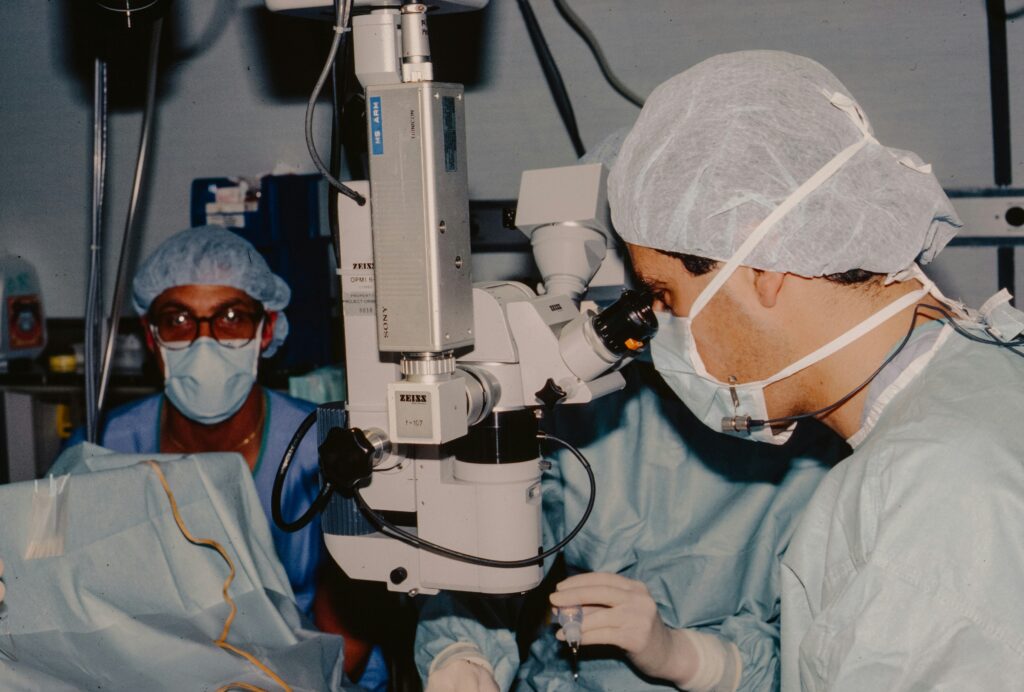
Top Certifications for Surgical Technologists in 2026
Introduction
For surgical technologists, certifications are more than just a piece of paper—they represent professional credibility, advanced knowledge, and career growth. Whether you are a fresh graduate, a medical student exploring this path, or a working professional looking to enhance your profile, understanding which surgical certifications matter in 2026 is crucial.
Certifications can open doors to higher salaries, specialized roles, and global opportunities. In this article, we will explore the top certifications for surgical technologists in the USA and UK, the benefits of certification, preparation tips, and frequently asked questions.
Why Certification Matters
While some employers hire surgical technologists without certification, having recognized credentials can:
- Increase job opportunities and competitive advantage
- Lead to higher salaries and better benefits
- Demonstrate commitment to professional development
- Build trust with surgeons, patients, and healthcare teams
In short, certification proves that a surgical technologist is well-trained, competent, and committed to excellence.
Key Certifications in the USA
1. Certified Surgical Technologist (CST)
Offered by the National Board of Surgical Technology and Surgical Assisting (NBSTSA)
- Widely recognized across the United States
- Validates both knowledge and practical skills
- Requires graduation from an accredited program and passing the exam
Benefits: Employers often prefer CST-certified technologists. It can improve salary prospects and make it easier to transfer between states or hospitals.
2. Tech in Surgery – Certified (TS-C)
- Entry-level certification for recent graduates
- Focuses on foundational surgical skills and OR protocols
- Provides a stepping stone for advanced certifications
Benefits: Ideal for students who want to start working while preparing for CST certification.
3. Certified Surgical First Assistant (CSFA)
- Designed for technologists who want to assist surgeons directly during procedures
- Requires additional experience and education beyond CST
- Includes advanced skills in tissue handling, suturing, and instrument management
Benefits: Opens doors to specialized roles in surgical centers and hospitals.
4. Specialty Certifications
Some organizations offer specialized certifications in areas like:
- Orthopedic surgery
- Cardiovascular surgery
- Robotic-assisted surgery
These are optional but highly recommended for surgical technologists aiming for career growth and niche expertise.
Key Certifications in the UK
In the UK, the pathway is slightly different. Surgical technology roles are often categorized under theatre support workers or operating department practitioners (ODPs).
1. National Health Service (NHS) Recognized Training
- Completion of NHS-approved operating department programs
- Focuses on practical skills, safety, and teamwork
- Provides the foundation to work in hospitals and surgical centers
Benefits: Essential for anyone planning a career in UK hospitals.
2. Health Education England (HEE) Certificates
- Offered for advanced or specialized surgical training
- Focus on both technical skills and patient safety
- Often linked with on-the-job training in NHS facilities
Benefits: Recognized nationwide and preferred by employers.
3. Specialty Courses
- Robotic surgery skills
- Laparoscopic surgery techniques
- Advanced infection control and OR management
Benefits: Enhances employability and prepares technologists for senior roles or international opportunities.
How Certifications Affect Salary
Certification often has a direct impact on earning potential. While entry-level surgical technologists may earn similar salaries with or without certification, certified technologists tend to earn more over time.
- CST-certified professionals (USA): Average 10–20% higher salary than non-certified peers
- UK HEE or specialized certificate holders: Often receive advanced role allowances and bonus opportunities
- Specialized certifications in robotic or orthopedic surgery may command higher wages due to the technical expertise required
Certification is an investment that pays off through career advancement, salary growth, and stability.
How to Prepare for Certification Exams
Preparation is essential to pass certification exams. Here are practical tips:
- Choose an Accredited Program: Always enroll in recognized programs approved by NBSTSA (USA) or NHS/HEE (UK).
- Review the Exam Blueprint: Understand topics, question types, and practical skills assessed.
- Use Study Guides and Practice Tests: These help reinforce both theoretical knowledge and practical understanding.
- Gain Hands-On Experience: Clinical rotations and practice in the OR are essential.
- Join Study Groups or Workshops: Discussing cases with peers can boost confidence and problem-solving skills.
Tip: Many successful candidates dedicate 2–3 months of focused preparation after completing their formal program.
Online vs In-Person Training
With technology evolving, many certifications now offer hybrid training options:
- Online courses: Flexible, self-paced, good for theoretical study
- In-person workshops: Focused on hands-on skills, essential for practical exams
- Hybrid programs: Combine online theory with supervised clinical practice
Advice: Practical skills are non-negotiable in surgical technology, so always choose programs that include real OR exposure.
Global Recognition of Certifications
Certifications from the USA and UK are increasingly recognized worldwide:
- CST or CSFA: Accepted in many hospitals in Canada, Middle East, and Asia
- UK NHS/HEE certificates: Recognized across Europe and Commonwealth countries
If you plan to work internationally, choose certifications with global credibility to maximize career flexibility.
Common Mistakes When Pursuing Certification
Choosing non-accredited programs to save time or money
- Underestimating the importance of hands-on clinical experience
- Ignoring continuing education requirements for recertification
- Focusing only on theory without practicing OR skills
Avoiding these mistakes ensures you pass exams and start your career with confidence.
(FAQs)
Which certification is best for beginners in the USA?
The CST (Certified Surgical Technologist) is considered the most recognized and widely accepted starting point.
Do I need certification to work in the UK?
Certification is not always mandatory, but completing NHS-recognized programs or HEE certificates is highly recommended.
Can I pursue multiple certifications?
Yes. Many surgical technologists pursue foundational and specialty certifications to enhance career growth.
How long does it take to prepare for certification exams?
Typically 2–3 months after completing your formal education program, depending on experience and study schedule.
Does certification improve my chances of international employment?
Yes. Certifications from the USA (CST/CSFA) and UK (NHS/HEE) are recognized in many countries worldwide.
Final Thoughts
In 2026, certifications remain a cornerstone of a successful surgical technology career. They validate your skills, boost employability, and open doors to higher salaries, specialty roles, and global opportunities.
Whether you are in the USA or UK, pursuing certifications strategically can set you apart as a trusted, competent, and highly employable surgical technologist. Invest in your future by choosing recognized programs, preparing diligently, and continuously upgrading your skills.
Disclaimer:
”The information provided on this website is for general informational and educational purposes only. All content is published in good faith and is intended to offer helpful guidance to readers worldwide. However, we make no guarantees about the completeness, reliability, or accuracy of the information presented.”