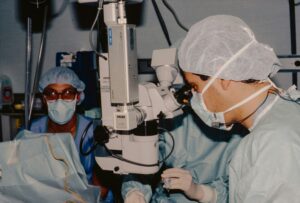
Surgical Technologist vs Surgical Assistant (Full Comparison Guide)

Surgical Technologist vs Surgical Assistant (Full Comparison Guide)
Introduction to Surgical Careers in the Operating Room
If you’ve ever stepped inside an operating room—even virtually—you know it’s not just the surgeon doing the magic. Behind every successful surgery is a well-coordinated team. Two key players in that team are the surgical technologist and the surgical assistant. At first glance, their roles might look similar. Both wear scrubs, both stand near the operating table, and both play crucial roles in patient safety. But when you dig deeper, you’ll discover important differences.
Many students, career changers, and healthcare professionals often ask: Which career should I choose? Which one pays more? Which one has better growth opportunities? These are valid questions, especially if you’re planning a long-term healthcare career.
This guide breaks down everything you need to know about surgical technologist vs surgical assistant, from responsibilities and education to salary, job outlook, and career advancement. Whether you’re based in the United States, Canada, the UK, Australia, or anywhere else in the world, this comparison will help you understand the global perspective.
By the end of this article, you’ll clearly know which path aligns better with your goals, lifestyle, and financial expectations. So, let’s step inside the operating room and explore both roles in detail.
Who Is a Surgical Technologist?
A surgical technologist, also known as a scrub tech or operating room technician, is a vital member of the surgical team. Think of them as the “behind-the-scenes organizer” who ensures everything runs smoothly before, during, and after surgery.
Their primary role revolves around maintaining a sterile environment. In surgery, sterility isn’t optional—it’s life-saving. Surgical technologists prepare operating rooms by sterilizing equipment, arranging surgical instruments, and ensuring all supplies are ready before the surgeon arrives.
But their job doesn’t stop there. During the procedure, they pass instruments to surgeons, anticipate needs, and keep track of surgical tools to prevent errors. Imagine a perfectly choreographed dance—every movement is intentional. That’s how a skilled surgical technologist works.
Globally, this role is in high demand due to the growing number of surgeries worldwide. With aging populations and advancements in medical procedures, hospitals constantly need trained surgical technologists.
This career is ideal for individuals who:
- Work well under pressure
- Have strong attention to detail
- Prefer hands-on roles
- Thrive in fast-paced environments
While they don’t perform the surgery themselves, their role is critical. Without them, surgeries could face delays, contamination risks, or dangerous instrument miscounts.
In short, a surgical technologist is the backbone of the operating room setup—organized, precise, and indispensable.
Key Responsibilities of a Surgical Technologist
The daily responsibilities of a surgical technologist go far beyond simply handing tools to a surgeon. Their role begins long before the first incision and continues after the final stitch.
Before surgery, they:
- Prepare the operating room
- Sterilize surgical instruments
- Arrange tools in a precise order
- Ensure all equipment functions properly
- Review patient charts for surgical details
During surgery, they:
- Pass instruments and supplies to surgeons
- Maintain a sterile field
- Count sponges, needles, and instruments
- Handle specimens for laboratory testing
- Adjust lighting and equipment
After surgery, they:
- Assist with dressing wounds
- Clean and sterilize equipment
- Restock supplies
Prepare the room for the next procedure
One of the most critical duties is performing surgical counts. Imagine leaving a small instrument inside a patient—it’s dangerous and preventable. Surgical technologists ensure that never happens.
Their ability to anticipate the surgeon’s next move makes them incredibly valuable. Experienced techs often know what instrument is needed before the surgeon asks.
This level of coordination requires focus, stamina, and quick thinking. It’s not a desk job—it’s active, demanding, and highly rewarding.
Education and Certification Requirements
Becoming a surgical technologist doesn’t require a medical degree, but it does require specialized training. Most professionals complete a diploma, certificate, or associate degree program in surgical technology.
- Programs typically take:
- 9 months to 2 years
- Include classroom instruction
- Offer hands-on clinical training
- Subjects usually cover:
- Anatomy and physiology
- Surgical procedures
- Sterilization techniques
- Medical terminology
- Patient care principles
In many countries, certification improves job prospects. In the United States, for example, candidates can become a Certified Surgical Technologist (CST) by passing an exam through the National Board of Surgical Technology and Surgical Assisting (NBSTSA).
Other countries may have similar licensing bodies or hospital-based credentialing systems.
Continuous education is also important. Medical technology evolves quickly, and staying updated ensures better performance and career growth.
For those seeking a quicker entry into the operating room without years of schooling, this pathway is often appealing.
Who Is a Surgical Assistant?
A surgical assistant operates at a more advanced level within the surgical team. While surgical technologists focus on preparation and support, surgical assistants directly help the surgeon during the procedure.
Think of them as the surgeon’s right hand.
They may hold retractors, control bleeding, close incisions, and assist with complex surgical techniques. Their involvement is more hands-on and technical.
Unlike surgical technologists, surgical assistants often have prior healthcare experience. Many start as registered nurses (RNs), physician assistants (PAs), or experienced surgical technologists before advancing.
Because they play a more direct role in the operation, their level of responsibility—and compensation—is typically higher.
Globally, surgical assistants are recognized under various titles, including:
- First Assistant
- Surgical First Assistant (SFA)
- Registered Nurse First Assistant (RNFA)
- This career is perfect for individuals who:
- Want more clinical responsibility
- Enjoy direct patient impact
- Seek higher earning potential
- Are comfortable with advanced training
If the surgical technologist sets the stage, the surgical assistant steps into the spotlight beside the surgeon.
Core Duties of a Surgical Assistant
A surgical assistant plays a far more hands-on and clinically involved role compared to a surgical technologist. While both are essential in the operating room, the surgical assistant works directly alongside the surgeon during the most critical moments of the procedure.
So, what exactly do they do?
During surgery, a surgical assistant may:
- Control bleeding using suction or surgical instruments
- Hold retractors to provide better visibility
- Assist with suturing and closing incisions
- Handle tissue carefully to avoid damage
- Apply dressings and ensure proper wound care
- Help position patients safely on the operating table
In many complex surgeries—such as cardiovascular, orthopedic, or neurosurgery—the surgeon relies heavily on the assistant’s technical skills. It’s not just about passing tools; it’s about actively participating in the surgical process.
Imagine a high-performance car race. The surgeon is the driver, but the surgical assistant is the co-driver—navigating, supporting, and ensuring precision at every turn. Their contribution can directly influence the outcome of the procedure.
Because of their deeper involvement, surgical assistants must understand surgical anatomy in detail. They need strong decision-making skills, excellent hand-eye coordination, and the ability to stay calm under intense pressure.
This role demands responsibility. Mistakes can have serious consequences. That’s why surgical assistants undergo advanced education and training compared to surgical technologists.
Education, Training, and Credentials
Becoming a surgical assistant requires more education and clinical experience than becoming a surgical technologist. In many countries, candidates must first gain healthcare experience before entering a surgical assisting program.
Common pathways include:
- Starting as a registered nurse (RN)
- Working as a surgical technologist and gaining experience
- Completing a physician assistant (PA) program
After that, individuals usually enroll in a Surgical First Assistant program, which may take 1–2 years depending on the country and institution.
Coursework typically includes:
- Advanced surgical anatomy
- Pharmacology
- Surgical techniques
- Advanced patient care
- Clinical surgical rotations
In the United States, professionals can earn the Certified Surgical First Assistant (CSFA) credential through the NBSTSA. Other countries have equivalent certifications or hospital-based credentialing systems.
Because of the higher responsibility level, many hospitals require certification before hiring. Continuing education is also essential, as surgical technology and procedures evolve rapidly.
If you’re someone who wants greater responsibility, higher income potential, and more involvement in procedures, investing in advanced training as a surgical assistant can be a rewarding decision.
Surgical Technologist vs Surgical Assistant: Side-by-Side Comparison Table
Here’s a quick comparison to make things crystal clear:
| Feature | Surgical Technologist | Surgical Assistant |
|---|---|---|
| Primary Role | Prepares OR & assists with instruments | Directly assists surgeon during surgery |
| Level of Responsibility | Moderate | High |
| Education Required | Diploma/Associate Degree | Advanced certification or prior healthcare degree |
| Hands-On Surgical Tasks | Limited | Extensive |
| Average Salary (Global Range) | $40,000 – $60,000/year | $65,000 – $110,000/year |
| Career Growth | Moderate | High |
| Clinical Decision-Making | Minimal | Significant |
This table highlights one key takeaway: surgical assistants have more responsibility and higher earning potential, but they also require more education and experience.
Major Differences Between Surgical Technologist and Surgical Assistant
Scope of Practice
The biggest difference lies in the scope of practice. A surgical technologist focuses mainly on preparation, sterilization, and support. They ensure everything is ready and organized before and during surgery.
On the other hand, a surgical assistant is actively involved in the surgical procedure itself. They perform technical tasks that directly impact the patient.
This difference in scope affects everything—from salary to stress levels to educational requirements.
Level of Responsibility
Responsibility levels differ significantly between these two roles.
A surgical technologist ensures patient safety through sterility and organization. While this is critical, they are not responsible for performing surgical techniques.
A surgical assistant, however, may:
- Control bleeding
- Assist in suturing
- Provide exposure of surgical sites
This means they must be highly trained and capable of handling complex tasks under pressure.
Greater responsibility often leads to higher compensation—but also higher expectations.
Salary Comparison
Salary is one of the most searched aspects globally when comparing surgical technologist vs surgical assistant.
On average:
- Surgical Technologist: $40,000 to $60,000 annually
- Surgical Assistant: $65,000 to $110,000 annually
In countries like the US, Canada, and Australia, salaries may be higher depending on experience and specialization.
Specialized surgical assistants working in cardiovascular or orthopedic surgery often earn significantly more.
While money shouldn’t be the only factor, it certainly plays a role when choosing a career path.
Similarities Between Surgical Technologist and Surgical Assistant
Despite their differences, both roles share important similarities:
- Work in operating rooms
- Maintain sterile environments
- Collaborate with surgeons and nurses
- Require attention to detail
- Operate in high-pressure environments
Both careers demand physical stamina. Surgeries can last several hours, requiring long periods of standing.
Teamwork is also essential. The operating room functions like a synchronized orchestra—every member must perform perfectly for a successful outcome.
If you enjoy structured environments, teamwork, and hands-on healthcare roles, either career can be fulfilling.
Work Environment and Daily Routine
Both surgical technologists and surgical assistants primarily work in:
- Hospitals
- Outpatient surgical centers
- Specialty clinics
- Trauma centers
A typical day may include multiple surgeries. Some days are routine; others can be unpredictable, especially in emergency settings.
Operating rooms are fast-paced and require strict adherence to protocols. There’s little room for error.
Shifts may include nights, weekends, or on-call duties—especially in larger hospitals.
For those who enjoy dynamic, meaningful work where every day brings new challenges, this environment can be incredibly rewarding.
Skills Required for Success in Both Careers
Success in these roles requires more than technical training.
Key skills include:
- Strong communication
- Attention to detail
- Manual dexterity
- Emotional resilience
- Teamwork
- Problem-solving
- You must stay calm under pressure. Surgeries can become complicated unexpectedly. The ability to think clearly and act quickly is essential.
Empathy also matters. While you may not interact with patients for long, understanding the importance of your role in their recovery is powerful motivation.
Career Growth and Advancement Opportunities
Career growth varies between the two roles.
- A surgical technologist can:
- Specialize in specific surgical areas
- Become a lead surgical tech
- Transition into surgical assisting
- Move into teaching or healthcare management
- A surgical assistant can:
- Specialize in high-demand surgical fields
- Move into advanced healthcare roles
- Pursue physician assistant or advanced nursing degrees
- Enter healthcare leadership
Globally, healthcare expansion means increasing opportunities in both fields.
Job Outlook and Global Demand
The demand for surgical professionals continues to rise worldwide. Aging populations, increasing chronic diseases, and advanced surgical technologies are driving growth.
Countries like:
- United States
- Canada
- United Kingdom
- Australia
- Middle Eastern nations
all show strong demand for trained surgical staff.
Surgical assistants often experience faster job growth due to their advanced skills.
Healthcare isn’t going anywhere—it’s one of the most stable industries globally.
Pros and Cons of Becoming a Surgical Technologist
Pros:
- Shorter training period
- Affordable education
- Strong job stability
- Entry into surgical field quickly
Cons:
- Lower salary compared to assistants
- Limited clinical authority
- Physically demanding
It’s an excellent starting point for those entering healthcare.
Pros and Cons of Becoming a Surgical Assistant
Pros:
- Higher salary
- Greater clinical involvement
- Advanced career opportunities
- Increased professional respect
Cons:
- Longer training
- Higher stress levels
- Greater responsibility
It’s ideal for those who want deeper involvement in surgery.
Which Career Is Right for You?
Choosing between surgical technologist vs surgical assistant depends on your goals.
Ask yourself:
- Do I want quick entry into healthcare?
- Am I comfortable investing years in advanced education?
- Do I prefer supportive or leadership roles?
- How important is salary to me?
If you want a faster route and stable income, surgical technologist is a great option.
If you aim for higher pay, greater responsibility, and direct surgical involvement, surgical assistant may be better.
Both careers offer meaningful work, strong job security, and the opportunity to make a real difference.
Conclusion
When comparing Surgical Technologist vs Surgical Assistant, the differences come down to education, responsibility, salary, and career growth.
Surgical technologists ensure everything runs smoothly behind the scenes. Surgical assistants step forward to actively support the surgeon during procedures.
Both roles are essential. Without either one, surgeries cannot function efficiently.
Ultimately, your decision should align with your personal goals, financial expectations, and willingness to pursue advanced education. Whichever path you choose, you’ll be entering a respected and globally in-demand healthcare profession.
(FAQs)
Can a surgical technologist become a surgical assistant?
Yes, many surgical assistants begin their careers as surgical technologists and pursue additional certification and training.
Which career pays more globally?
Surgical assistants generally earn higher salaries due to increased responsibility and advanced training.
How long does it take to become a surgical technologist?
Typically 9 months to 2 years, depending on the program and country.
Is certification mandatory?
It depends on the country, but certification significantly improves job prospects.
Which role has better job security?
Both roles have strong job security, but surgical assistants may have slightly higher demand due to advanced skills.
Disclaimer
”The information provided in this article is for educational and informational purposes only. It is not intended to serve as professional medical, legal, or career advice. While every effort has been made to ensure the accuracy and reliability of the information presented, healthcare regulations, certification requirements, salaries, and job responsibilities may vary by country, state, or institution.”