Endoscopic Surgery Explained for Surgical Tech Students
Endoscopic Surgery Explained for Surgical Tech Students
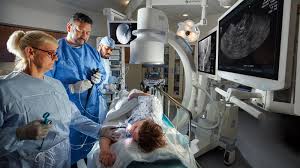
Endoscopic surgery has revolutionized modern medicine, transforming the way surgeons perform procedures. For surgical tech students, understanding endoscopic surgery is crucial not only for academic growth but also for hands-on clinical practice. This article breaks down what endoscopic surgery is, how it works, types, benefits, risks, and global trends, making it simple, informative, and practical for students around the world.
What is Endoscopic Surgery?
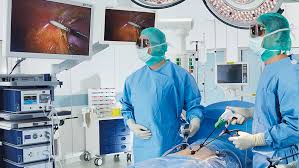
Endoscopic surgery is a minimally invasive surgical technique in which surgeons operate through small incisions or natural body openings using an endoscope. An endoscope is a thin, flexible tube with a camera and light, allowing visualization of internal organs on a monitor.
Unlike traditional surgery, which requires large incisions, endoscopic surgery minimizes tissue damage, reduces recovery time, and improves post-operative outcomes. It’s widely used in gastroenterology, ENT, urology, gynecology, and orthopedic procedures.
For surgical tech students, understanding the endoscope’s components, functions, and sterilization processes is essential. Knowing how the instruments work and the proper handling techniques can directly impact surgical success and patient safety.
History of Endoscopic Surgery
Endoscopy is not a modern invention. Its roots go back to the early 19th century, when gastrointestinal scopes were first developed. Over time, technological advancements like fiber optics and high-definition cameras transformed endoscopy into a standard surgical practice.
Modern endoscopic surgery has evolved into specialized forms such as:
- Laparoscopy – Abdominal and pelvic procedures
- Arthroscopy – Joint surgeries
- Bronchoscopy – Respiratory system procedures
- Cystoscopy – Urinary system procedures
Understanding its history helps surgical tech students appreciate the technological evolution and the rationale behind current procedural protocols.
How Endoscopic Surgery Works
Endoscopic surgery relies on precision, visualization, and specialized instruments. Here’s how it typically works:
- Incision or Natural Opening – Surgeons make a tiny incision or use natural orifices.
- Endoscope Insertion – A camera-equipped tube provides a magnified internal view.
- Specialized Instruments – Tools like graspers, scissors, and cauterizers allow precise manipulation.
- Procedure Monitoring – Images from the endoscope are displayed on a high-resolution monitor.
- Closure and Recovery – Small incisions are closed with sutures or surgical glue.
For surgical tech students, mastering instrument handling, camera control, and sterile technique is critical. They must anticipate the surgeon’s needs, organize instruments, and ensure smooth operation flow.
Types of Endoscopic Surgery
Endoscopic surgery is a broad category, and students should understand each type:
1. Laparoscopic Surgery
Used primarily for abdominal and pelvic procedures:
- Gallbladder removal
- Appendectomy
- Hernia repair
- Gynecological procedures
Small incisions and specialized instruments reduce trauma, pain, and hospital stay.
2. Arthroscopic Surgery
Common for joint issues, particularly knees, shoulders, and hips.
- Repair torn ligaments
- Remove damaged cartilage
- Improve joint mobility
Endoscopic tools allow visualization without fully opening the joint.
3. Bronchoscopy
Used for airway and lung conditions:
- Remove foreign bodies
- Biopsy lung tissue
- Diagnose respiratory disorders
Students should be familiar with patient positioning and sedation techniques.
4. Cystoscopy
Focuses on the urinary tract:
- Diagnose bladder issues
- Remove stones
- Treat tumors
Sterility and careful scope handling are crucial to prevent infections.
Advantages of Endoscopic Surgery
Endoscopic surgery offers numerous patient and surgeon benefits:
- Minimal incisions → Less scarring
- Faster recovery → Patients return to normal activities sooner
- Reduced pain → Smaller incisions mean lower post-op discomfort
- Lower infection risk → Reduced exposure of internal organs
- High precision → Magnified views allow careful tissue manipulation
- Outpatient feasibility → Many procedures require only short hospital stays
For surgical tech students, these benefits emphasize the importance of proper instrument handling and procedural preparation.
Risks and Complications
No surgical procedure is without risk. Potential complications of endoscopic surgery include:
- Bleeding
- Infection
- Organ or tissue damage
- Anesthesia-related issues
Proper training, sterile technique, and vigilance are key to minimizing risks. Surgical techs must ensure instruments are sterilized, scopes are functional, and backup tools are ready for emergencies.
Endoscopic Instruments Every Surgical Tech Should Know
Students should be familiar with the following instruments:
- Endoscope – Main visualization tool
- Graspers and Forceps – For holding tissues
- Scissors – Cutting tissues or sutures
- Electrocautery Devices – Control bleeding
- Suction/Irrigation Tools – Maintain clear operative field
Maintenance and sterilization of these instruments are as important as technical knowledge. Improper handling can compromise patient safety and surgical outcomes.
Preparation for Endoscopic Surgery
Preparation is critical for surgical success:
- Patient Assessment – Medical history, allergies, and imaging review
- Instrument Check – Ensure all scopes and tools are functional
- Sterile Field Setup – Organize instruments in proper sequence
- Team Coordination – Confirm surgeon’s preferences and procedure plan
Surgical tech students must learn workflow efficiency, anticipate needs, and maintain sterility throughout the procedure.
Post-Operative Care and Recovery
Endoscopic surgery generally allows quicker recovery, but proper care is necessary:
- Monitor incision sites for infection
- Manage pain with prescribed medications
- Encourage gradual activity resumption
- Attend follow-up appointments
Surgical techs play a role in educating patients about wound care and recovery expectations, ensuring a smooth post-op experience.
Technological Innovations in Endoscopic Surgery
Recent advancements include:
- High-definition cameras – Improved visualization
- 3D and 4K imaging – Enhanced precision
- Robotic-assisted endoscopy – Greater dexterity and minimal error
- AI integration – Guides surgeons during complex procedures
For students, staying updated on these technologies is crucial for future-ready skills in global surgical practice.
Global Trends in Endoscopic Surgery
Endoscopic surgery is widely used globally:
- North America & Europe – Standard in hospitals, robotic endoscopy is common
- Asia – Rapid adoption in urban centers
- Middle East – Private hospitals lead innovation
- Africa & Latin America – Gradual growth, technology training needed
This makes endoscopic skills globally relevant, providing career opportunities for surgical techs worldwide.
Endoscopic Surgery vs Traditional Surgery
| Feature | Endoscopic Surgery | Traditional Surgery |
|---|---|---|
| Incision | Small/minimal | Large |
| Recovery | 1–3 weeks | Several weeks |
| Pain | Mild | Moderate to severe |
| Hospital Stay | Short | Long |
| Scarring | Minimal | Significant |
| Infection Risk | Low | Higher |
The comparison highlights why endoscopic surgery is preferred whenever feasible, making it essential for students to learn.
Tips for Surgical Tech Students
- Master instrument handling – Efficient use ensures surgical flow.
- Understand anatomy – Know organ structures and scope navigation.
- Follow sterilization protocols – Avoid contamination.
- Observe surgeries – Hands-on experience reinforces learning.
- Stay updated – Technology in endoscopy evolves rapidly.
Conclusion
Endoscopic surgery has become an essential part of modern healthcare, and for surgical tech students, understanding it is not just an academic requirement—it is a career necessity. From laparoscopic and arthroscopic procedures to robotic-assisted techniques, endoscopic surgery has transformed the operating room into a space that prioritizes precision, safety, and faster patient recovery. Smaller incisions, advanced imaging systems, and specialized instruments have significantly improved surgical outcomes, making minimally invasive procedures the standard of care in many countries around the world.
For surgical tech students, mastering endoscopic surgery means more than simply recognizing instruments. It requires confidence in handling equipment, maintaining strict sterile technique, anticipating the surgeon’s needs, and ensuring patient safety at every stage of the procedure. The ability to support smooth workflow in the operating room directly impacts surgical success and patient outcomes.
As technology continues to evolve—with advancements like AI integration, 3D visualization, and robotic systems—the demand for highly skilled surgical technologists will only grow. Staying updated, practicing consistently, and committing to lifelong learning will give you a competitive edge in the global healthcare field. In short, a strong foundation in endoscopic surgery prepares you not just for exams, but for real-world excellence in today’s advanced surgical environments.
Disclaimer
”This content is for educational purposes only. It is not a substitute for professional medical or surgical advice. Surgical tech students should follow institutional guidelines, hands-on training, and supervision from qualified medical professionals before performing or assisting in procedures.”