Is Surgical Technology Hard to Learn? Complete Career Guide

Is Surgical Technology Hard to Learn Complete Career Guide
What Is Surgical Technology?
Surgical technology is one of those career paths that sounds complicated at first, but once you break it down, it starts to make sense. In simple terms, it’s all about supporting surgeries and making sure everything inside the operating room runs smoothly. You’re not the one performing the surgery, but you’re right there in the middle of the action, helping things stay organized, clean, and efficient.
Think of it like being the backstage manager of a live show. The audience only sees the performers, but without the backstage team, the show would fall apart. That’s exactly how a surgical technologist works in a hospital setting. They prepare tools, set up the room, and assist during procedures so that everything goes as planned.
This field has gained a lot of attention in recent years because of its job stability and growing demand. As healthcare continues to expand, the need for trained professionals in operating rooms is increasing. Many students are now exploring platforms and training programs like Surgical Teck, which aim to simplify learning and make the process more accessible.
The best part? You don’t need to spend many years in school like doctors do. With the right training and focus, you can enter this field relatively quickly. But that brings us to the main question—is it actually hard to learn? Let’s dig deeper into that.
Role in the Operating Room
When you step into the world of surgical technology, you’re stepping into an environment where every second matters. The role inside the operating room is active, focused, and highly important. You’re not just standing there—you’re constantly involved in making sure everything goes smoothly.
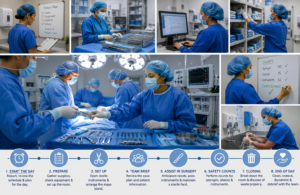
Before surgery even begins, a surgical technologist prepares the operating room. This includes arranging tools, checking equipment, and making sure everything is clean and ready. It might sound routine, but it requires attention to detail. One missing item can delay the entire procedure.
During surgery, the role becomes even more intense. You assist by passing tools, keeping things organized, and staying alert. It’s almost like a fast-paced rhythm where everyone has to stay in sync. You don’t get much time to think—you react, respond, and stay focused.
After the procedure, there’s still work to do. Cleaning, organizing, and preparing for the next case are all part of the job. So when you think about learning surgical technology, you’re not just learning theory—you’re learning how to perform under pressure.
This is where many students feel challenged. It’s not difficult in a traditional “book learning” way—it’s challenging because it requires focus, speed, and confidence.
Why This Career Is in Demand
The demand for surgical technologists is growing rapidly, and there’s a simple reason behind it—healthcare services are expanding. Hospitals, clinics, and surgical centers need trained professionals who can support operations efficiently.
According to recent trends, healthcare support roles are expected to grow steadily over the next decade. This means more job opportunities, better stability, and a strong career path for those entering the field.
Another reason for this demand is the specialized nature of the role. Not everyone can work in an operating room. It requires specific training, discipline, and the ability to handle pressure. Because of this, skilled professionals are always valued.
Programs like Surgical Teck are helping bridge the gap by offering structured learning paths that make it easier for students to enter the field. These types of platforms are making education more accessible, which is encouraging more people to consider this career.
So while the learning process may seem challenging at first, the long-term benefits make it worth considering.
Is Surgical Technology Hard to Learn? Honest Answer
Let’s get straight to the point—is surgical technology hard to learn? The honest answer is: it depends on you.
This field is not impossible to learn, but it’s also not something you can take lightly. It requires consistency, focus, and a willingness to step out of your comfort zone. If you’re someone who prefers a relaxed learning pace, this might feel overwhelming at times.
The difficulty comes from a mix of theory and practical training. You’re not just reading books—you’re applying what you learn in real-life situations. That transition can feel challenging, especially in the beginning.
However, many students find that once they understand the basics, things start to become easier. It’s like learning to drive. At first, everything feels confusing, but with practice, it becomes second nature.
The key is not to think of it as “hard” but as demanding. It asks for your attention, your effort, and your commitment. And in return, it offers a stable and meaningful career.
Learning Curve for Beginners
For beginners, the learning curve can feel steep. You’re entering a completely new environment with new terms, new routines, and new expectations. It’s normal to feel confused at the start.
In the early stages, students often struggle with remembering procedures and understanding how everything fits together. But this phase doesn’t last forever. With time and practice, things start to click.
One important thing to remember is that everyone learns at a different pace. Comparing yourself to others can make the process feel harder than it actually is.
Consistency is what makes the difference. Even small daily efforts can lead to big improvements over time.
Common Challenges Students Face
Students often face a few common challenges while learning surgical technology:
- Adjusting to a fast-paced environment
- Remembering multiple steps and processes
- Handling pressure during training
- Building confidence in practical skills
These challenges are normal and part of the journey. The key is to stay patient and keep practicing.
Subjects You Need to Study
When people think about learning surgical technology, they often imagine heavy textbooks and complicated lessons. The truth is, the subjects are not impossible to understand—but they do require focus and consistency. You’re not just memorizing information; you’re learning how things work in real-life situations.
The subjects usually cover topics related to the human body, cleanliness, safety, and how to assist during procedures. Now, don’t worry—this doesn’t mean you need to become a doctor-level expert. The goal is to understand the basics clearly so you can apply them in the operating room.
One interesting thing about this field is the balance between theory and practice. You might learn something in class today and then see it in action during training. That connection makes learning more engaging, but it also means you need to stay attentive.
Students who use structured learning systems like Surgical Teck often find it easier to follow along because the content is organized step by step. Instead of feeling overwhelmed, you build your understanding gradually.
The challenge here isn’t that the subjects are too hard—it’s that they require regular revision and real understanding. Skipping topics or relying only on memorization can make things difficult later on.
If you stay consistent, ask questions, and practice regularly, these subjects become much more manageable. Over time, what once felt confusing starts to feel familiar, and that’s when learning becomes smoother.
Classroom Learning Experience
The classroom experience in surgical technology is quite different from typical courses. It’s not just about listening to lectures—it’s about actively understanding how things work in a real environment.
Instructors often use demonstrations, visual aids, and real-life examples to explain concepts. This makes learning more practical and less boring. Instead of just reading from a book, you’re encouraged to think, ask questions, and engage with the material.
However, this also means you need to stay focused. Missing a concept can make it harder to understand the next one. It’s like building a chain—each link connects to the next.
Another important part of classroom learning is participation. Students who actively engage tend to learn faster and feel more confident. Sitting quietly and hoping to understand everything later can make the process harder.
The good news is that most programs are designed to support beginners. Whether it’s through group discussions, practice sessions, or guided lessons, help is usually available.
So while classroom learning may feel challenging at first, it becomes easier once you adapt to the style and stay consistent.
Practical Training and Hands-On Skills
This is where things get real. Practical training is often the most challenging—and most exciting—part of learning surgical technology. It’s where you move from theory to action.
During hands-on training, you learn how to handle tools, set up equipment, and assist in a simulated or real environment. This part requires focus, coordination, and confidence. At first, it might feel overwhelming. You may worry about making mistakes or not keeping up.
But here’s the truth—mistakes are part of learning. Every student goes through this phase. The key is to learn from those mistakes and improve.
Hands-on practice helps build muscle memory. Over time, your movements become more natural, and your confidence grows. What once felt stressful starts to feel routine.
This stage is also where you truly understand whether this career is right for you. If you enjoy being active, working with your hands, and staying engaged, you’ll likely find this part rewarding.
Yes, it’s challenging—but it’s also where the real learning happens.
Skills Required to Succeed
Learning surgical technology isn’t just about studying—it’s about developing the right skills. These skills make the difference between struggling and succeeding in this field.
First, you need focus. The ability to stay attentive for long periods is essential. Distractions can slow down your learning and affect your performance.
Second, confidnce plays a big role. Even if you’re unsure at first, building confidence over time helps you perform better.
Then there’s adaptability. Every day can be different, and being able to adjust quickly is important.
These skills are not something you’re born with—they can be developed with practice and experience.
Mental and Physical Skills
This field requires a mix of mental sharpness and physical endurance. Mentally, you need to stay alert, remember steps, and respond quickly. Physically, you need stamina to handle long hours of standing and working.
At first, this combination can feel tiring. But over time, your body and mind adapt. It’s similar to starting a new workout routine—challenging at the beginning, but easier with consistency.
Communication and Teamwork
You don’t work alone in this field. Communication is key. Being able to understand instructions and respond clearly helps everything run smoothly.
Teamwork is equally important. You’re part of a group, and everyone depends on each other. A supportive team can make learning much easier.
How Long Does It Take to Learn Surgical Technology?
Course Duration and Certification
One of the biggest advantages of this field is that it doesn’t take forever to learn. Most programs can be completed within 1 to 2 years, depending on the course and location.
After completing your training, you may need to pass a certification exam. This step ensures that you’re ready to work in a professional environment.
The timeline is manageable, but it still requires dedication. Short duration doesn’t mean easy—it just means focused learning.
Is It Harder Than Other Medical Courses?
Comparison with Nursing and Other Fields
Compared to nursing or becoming a doctor, surgical technology is generally less time-consuming. However, that doesn’t mean it’s easy.
Each field has its own challenges. Nursing involves more patient interaction, while surgical technology focuses more on procedures and support.
So instead of asking which is harder, it’s better to ask which one suits you better.
Tips to Make Learning Easier
Study Strategies That Actually Work
Learning becomes easier when you use the right strategies. Instead of cramming, focus on understanding concepts step by step. Break topics into smaller parts and review them regularly.
Practice is also important. The more you practice, the more confident you become.
Staying Motivated During Training
Staying motivated can be tough, especially during challenging phases. Setting small goals and celebrating progress can help keep you on track.
Remember why you started. That purpose can keep you moving forward even on difficult days.
Career Opportunities After Learning
Job Roles and Growth
After completing your training, you can work in hospitals, clinics, or surgical centers. With experience, you can grow into specialized roles or even move into teaching.
This career offers stability and growth, making the effort of learning worthwhile.
Final Verdict
So, is surgical technology hard to learn? It can be challenging, especially in the beginning. But with the right mindset, consistent effort, and proper guidance, it becomes manageable.
It’s not about being the smartest—it’s about being dedicated and willing to learn.
FAQs
Is surgical technology difficult for beginners?
It can feel challenging at first, but it becomes easier with practice.
How long does it take to learn?
Usually 1 to 2 years, depending on the program.
Do I need strong academic skills?
Basic understanding and consistency are more important than being academically strong.
Is practical training hard?
It can be challenging, but it improves with time and experience.
Can I learn surgical technology online?
Some parts can be learned online, but hands-on training is essential.
Disclaimer
”This article is for informational purposes only. Learning experiences may vary depending on the institute, location, and individual ability. Always research and choose a program that best fits your needs before making a decision.”