Is Surgical Technologist a Stressful Job? Complete Career Insight

Is Surgical Technologist a Stressful Job Complete Career Insight
What Does a Surgical Technologist Actually Do?
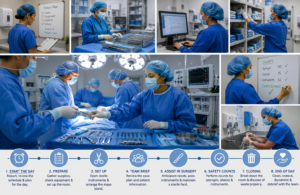
When people hear about a surgical technologist, they often imagine someone quietly handing tools to a surgeon. But the reality is much more intense, detailed, and—yes—sometimes stressful. A surgical technologist plays a crucial role in the operating room, acting like the backbone of the entire surgical process. Without them, things could quickly fall apart. Think of it this way: if the surgeon is the captain of a ship, the surgical technologist is the one making sure every tool, every instrument, and every step is perfectly aligned before the journey even begins. They prepare the operating room, arrange surgical tools, ensure everything is clean, and double-check that nothing is missing. Sounds simple? It’s not. One small mistake can delay surgery or even put a patient at risk. They also assist during surgery by passing instruments quickly and accurately. Timing is everything. There’s no room for hesitation. Imagine being in a situation where every second counts and everyone depends on you to be precise—that’s the daily reality here. Beyond technical tasks, they must stay alert the entire time. Surgeries can last hours, and maintaining focus without distractions is a real challenge. You can’t just “zone out” for a moment. Every move matters. So, while the role might not always be in the spotlight, it carries a heavy responsibility. And that’s where the question naturally arises—is this job stressful? The answer isn’t just yes or no. It depends on many factors, which we’ll break down step by step.Daily Responsibilities Inside the Operating Room
A typical day for a surgical technologist doesn’t follow a relaxed routine. Instead, it feels more like stepping into a high-stakes environment where everything must go perfectly. From the moment they enter the operating room, their focus switches on like a light that cannot be turned off until the procedure ends. They begin by preparing surgical instruments, ensuring everything is properly sterilized and arranged in a specific order. This isn’t random—it’s strategic. Each tool must be exactly where it should be, ready to be handed over in seconds. Imagine cooking a complicated recipe, but instead of food, you’re dealing with life-saving tools. That’s the level of precision required. During surgery, they must anticipate what the surgeon needs next. It’s almost like reading someone’s mind. If they hesitate or make a mistake, it can disrupt the entire flow. That pressure builds naturally over time. After surgery, their job isn’t done. They help clean the operating area, manage used instruments, and prepare for the next case. And sometimes, there’s barely any break in between. What adds to the stress is unpredictability. Emergencies can come at any time. A calm day can suddenly turn chaotic. One moment you’re preparing for a routine procedure, and the next, you’re dealing with an urgent situation. This constant need to stay ready, focused, and accurate is what makes the role demanding. It’s not just physical effort—it’s mental sharpness combined with emotional control.Skills Required to Succeed in This Role
Being a surgical technologist isn’t just about learning procedures—it’s about developing a mindset that can handle pressure without cracking. Not everyone is built for this kind of environment, and that’s perfectly okay. First, attention to detail is everything. Missing even the smallest detail can lead to serious consequences. It’s like solving a puzzle where every piece must fit perfectly, every single time. Then comes quick decision-making. While they don’t make medical decisions like surgeons, they still need to act fast. If something unexpected happens, there’s no time to panic. They must stay calm and respond immediately. Communication skills also play a big role. The operating room is a team environment. Everyone needs to stay in sync, and clear communication keeps things running smoothly. Misunderstandings can create unnecessary tension. Another important skill is stamina. Standing for long hours, sometimes without breaks, can be exhausting. It’s not just about mental focus—it’s also about physical endurance. Finally, emotional strength matters more than people realize. Watching surgeries, dealing with serious cases, and handling pressure daily can take a toll. Being able to manage emotions while staying professional is a skill in itself. All these skills together shape the experience of a surgical technologist. And naturally, the more demanding the skills, the higher the stress level can be.Is Surgical Technologist a Stressful Job? Honest Answer
Let’s address the real question directly—is being a surgical technologist stressful? The honest answer is yes, but it’s not the whole story. This job comes with pressure, and there’s no way around it. You’re working in an environment where mistakes can have serious consequences. That alone creates a baseline level of stress. Add long hours, fast-paced work, and high expectations, and it’s easy to see why many people consider it a demanding career. But here’s the twist—not all stress is negative. Some of it actually pushes you to perform better. Many surgical technologists say that the pressure keeps them sharp and focused. It’s like being in a high-stakes game where your skills are constantly tested. At the same time, stress levels can vary depending on the workplace. A busy hospital with emergency cases will naturally feel more intense than a smaller clinic with scheduled procedures. Your team also matters. Supportive colleagues can make a huge difference in how stressful the job feels. There’s also a strong sense of purpose in this role. Knowing that your work directly helps save lives can outweigh the challenges. That feeling of making a real impact often becomes the reason people stay in this field despite the stress. So, while the job is undeniably stressful at times, it’s also meaningful, rewarding, and fulfilling for those who can handle the pressure.What Makes the Job Stressful
The stress in this career doesn’t come from just one thing—it builds from multiple factors working together. One of the biggest contributors is time pressure. Surgeries need to run smoothly and efficiently. Delays can affect not just one patient, but the entire schedule. Another factor is high responsibility. Even though surgical technologists are not leading the surgery, their role is still critical. If something goes wrong with the tools or setup, it can impact the entire procedure. Then there’s the unpredictability. No two days are the same. Emergencies can happen at any moment, and being mentally prepared for that constant uncertainty can be exhausting. Physical strain also adds to stress. Standing for hours, wearing protective gear, and staying focused without breaks can wear you down over time. Lastly, the emotional side cannot be ignored. Being part of serious medical situations, sometimes involving life and death, can leave a lasting impact. Even if you don’t show it outwardly, it builds internally. All these factors combine to create a challenging environment—but one that many people still find worth it.What Makes It Rewarding Despite the Pressure
While the stress is real, there’s another side to this career that often gets overlooked—the deep sense of purpose and fulfillment. Being a surgical technologist isn’t just about handling instruments or assisting in procedures; it’s about being part of something that truly matters. Every surgery you assist with has a story behind it—a person, a family, a life that depends on the outcome. That awareness can transform even the most stressful day into something meaningful. One of the biggest rewards is the feeling of making a direct impact. You may not always interact with patients the way doctors or nurses do, but your role is still essential. Knowing that your preparation and precision helped a surgery go smoothly can be incredibly satisfying. It’s like being the silent hero behind the scenes—no spotlight, but a huge contribution. Another positive aspect is the team environment. Operating rooms often create strong bonds between team members. When you go through high-pressure situations together, it builds trust and respect. That sense of teamwork can make even the toughest days feel manageable. There’s also a certain level of professional pride that comes with mastering such a demanding role. Over time, what once felt overwhelming starts to feel routine. Skills improve, confidence grows, and the stress becomes more controlled. Financial stability and career growth opportunities also add to the appeal. For many, the combination of a steady income, meaningful work, and professional development makes the stress feel like a fair trade-off.Work Environment and Daily Pressure Levels
The work environment of a surgical technologist plays a major role in shaping how stressful the job feels. Unlike a typical office setting, the operating room is a high-energy, tightly controlled space where every second matters. There’s no room for casual mistakes or distractions. Everything runs on precision, timing, and coordination. The atmosphere can shift quickly. One moment, everything is calm and routine; the next, there’s urgency in the air. This unpredictability keeps you constantly alert. It’s like being in a race where you don’t know when the next lap will begin—you just have to stay ready at all times. Another factor is the expectation of consistency. You can’t have an “off day” in this role. Even if you’re tired or distracted, the work still demands your full attention. That level of expectation can feel intense, especially over long periods. The physical setup of the operating room also contributes to the pressure. Bright lights, sterile environments, and limited movement create a focused but sometimes rigid atmosphere. You’re not just working—you’re performing in a controlled space where every action is observed. However, not all environments are the same. A smaller clinic may offer a slower pace, while a large hospital can feel like a nonstop cycle of procedures. The type of workplace you choose can significantly influence your stress levels. In short, the environment itself is a major factor. It’s not just about what you do—it’s about where and how you do it.Fast-Paced Nature of Surgical Rooms
The operating room is one of the most fast-paced environments you can imagine. There’s a rhythm to it, almost like a carefully choreographed performance. Every team member has a role, and everything must happen at the right moment. If one part falls behind, it can affect the entire process. Speed is important, but it’s not just about moving fast—it’s about moving accurately under pressure. Imagine being asked to complete a complex task quickly while knowing that mistakes are not an option. That’s the daily reality here. During surgeries, things can change in an instant. A routine procedure might suddenly require quick adjustments. In those moments, staying calm is not optional—it’s necessary. The ability to handle sudden changes without losing focus is what separates a good surgical technologist from a great one. Breaks are not always guaranteed either. Some procedures last for hours, and stepping away isn’t always possible. This constant demand for attention can be mentally draining. Despite all this, many professionals adapt to the pace over time. What initially feels overwhelming can eventually feel normal. The brain and body adjust, and the stress becomes more manageable. Still, there’s no denying that the fast-paced nature of the job is one of its biggest challenges—and also one of the reasons it’s so respected.Long Working Hours and Physical Demands
One of the less talked about aspects of being a surgical technologist is the physical strain. This isn’t a desk job where you can sit, stretch, or take a quick walk whenever you want. Instead, it involves long hours of standing, often in the same position, while staying fully focused. Surgeries don’t always follow a fixed schedule. Some run longer than expected, while others may be added at the last minute. This means your workday can extend beyond what you initially planned. Over time, this unpredictability can lead to fatigue. The physical demands go beyond just standing. Wearing protective gear for long periods can feel uncomfortable. The operating room environment is controlled for safety, not comfort, which can add to the challenge. There’s also the need for steady hands and precise movements. Even when you’re tired, you must maintain the same level of accuracy. That combination of physical exhaustion and mental focus can be draining. However, many professionals develop strong endurance over time. The body adapts, and what once felt exhausting becomes part of the routine. Regular self-care, proper rest, and maintaining physical health can make a big difference. Still, it’s important to acknowledge that this aspect of the job contributes significantly to overall stress levels. It’s not just mentally demanding—it’s physically challenging too.Emotional and Mental Challenges
Beyond the physical and technical demands, the emotional side of this job is something that deserves attention. Working in an environment where lives are at stake can have a deep psychological impact. Even if you’re not directly responsible for decisions, being part of such situations can affect how you feel over time. There are moments of success and relief, but there can also be difficult experiences. Not every surgery has a perfect outcome. Learning how to process those moments without letting them overwhelm you is a key part of the job. The constant need to stay composed can also be challenging. You may feel stress, चिंता (worry), or pressure internally, but you can’t show it externally. Maintaining professionalism at all times requires emotional control. Another factor is the buildup of stress over time. It’s not always one big event—it’s the accumulation of small, intense moments that can lead to burnout if not managed properly. Support systems play a huge role here. Talking to colleagues, taking breaks when possible, and finding ways to decompress outside of work can help maintain balance. In many ways, the emotional challenge is what makes this job truly demanding. It’s not just about what you do—it’s about how you handle what you experience.Handling Life-and-Death Situations
One of the most intense aspects of being a surgical technologist is being present during critical moments. You’re part of procedures where outcomes truly matter, and sometimes the situation can become serious very quickly. Even though you’re not making the final decisions, you’re still involved in the process. That alone can create a sense of pressure. You’re witnessing events that most people never see, and that exposure can be overwhelming at times. Staying calm in such situations is not easy, but it’s essential. The ability to focus on your role, follow instructions, and keep everything running smoothly is what helps the entire team function effectively. Over time, many professionals develop a level of emotional resilience. They learn how to separate their work from their personal feelings. It doesn’t mean they don’t care—it means they’ve found a way to cope. Still, these experiences can leave an impact. That’s why mental health awareness is so important in this field.Managing Anxiety and Burnout
Stress, if not managed properly, can lead to anxiety and burnout. This is true for many healthcare roles, including surgical technologists. The constant pressure, long hours, and emotional intensity can take a toll over time. Recognizing early signs of burnout is important. Feeling constantly tired, losing motivation, or becoming emotionally drained are signals that something needs to change. Simple strategies can help, such as taking breaks when possible, maintaining a healthy routine, and finding activities outside of work that bring relaxation. Even small habits, like regular exercise or spending time with family, can make a big difference. Workplace support also matters. A positive team environment can reduce stress significantly. When colleagues support each other, it creates a healthier atmosphere. Managing stress isn’t about eliminating it completely—it’s about learning how to handle it in a way that doesn’t harm your well-being.Comparing Stress Levels with Other Medical Jobs
When discussing stress, it helps to compare this role with others in the healthcare field. Every medical job comes with its own challenges, but the type and level of stress can vary.- Role Stress Level Key Reason
- Surgical Technologist High Fast-paced, precision work
- Nurse Very High Patient care + emotional load
- Surgeon Extreme Decision-making responsibility