Orthopedic Surgery Overview: Instruments and Workflow
Orthopedic Surgery Overview Instruments and Workflow
Orthopedic surgery focuses on treating problems related to bones, joints, muscles, and ligaments. Whether it’s a broken bone, joint pain, sports injury, or age-related wear and tear, orthopedic procedures help people regain movement and live pain-free lives.
But what really happens inside an orthopedic operating room? What tools do surgeons use? And what is the step-by-step process from preparation to recovery?
In this detailed guide, we’ll walk through the instruments, workflow, safety measures, and patient journey in orthopedic surgery — in a simple, easy-to-understand way. No complicated terms. Just clear information that helps you understand the full picture.
What Is Orthopedic Surgery?
Orthopedic surgery is a medical procedure that treats conditions affecting the body’s movement system — bones, joints, muscles, and ligaments.
Think of your body like a building. Bones are the structure. Joints are the hinges. Muscles are the wires that make everything move. When something breaks or wears out, orthopedic surgeons step in to repair, replace, or rebuild it.
Common conditions treated include:
- Broken bones
- Joint damage
- Arthritis
- Sports injuries
- Spine problems
- Birth-related bone conditions
Orthopedic surgery can be minor (like fixing a small fracture) or major (like replacing a whole hip joint). The goal is always the same — reduce pain and restore movement.
Why Orthopedic Surgery Is Important Globally
Across the world, bone and joint issues are increasing due to:
- Aging populations
- Sports injuries
- Road accidents
- Lifestyle changes
- Obesity
Millions of people undergo orthopedic procedures every year. Joint replacement surgeries alone are growing rapidly worldwide.
Without proper treatment, bone and joint problems can limit mobility and quality of life. Orthopedic surgery helps people return to work, sports, and daily activities.
In short, it restores independence.
Common Types of Orthopedic Surgeries
Orthopedic surgery covers many procedures. Let’s look at the most common ones.
Joint Replacement Surgery
This involves replacing a damaged joint with an artificial one. Most common:
- Knee replacement
- Hip replacement
- Shoulder replacement
It’s often recommended for severe arthritis.
Fracture Repair Surgery
When bones break badly, surgery is needed to align and stabilize them using special tools.
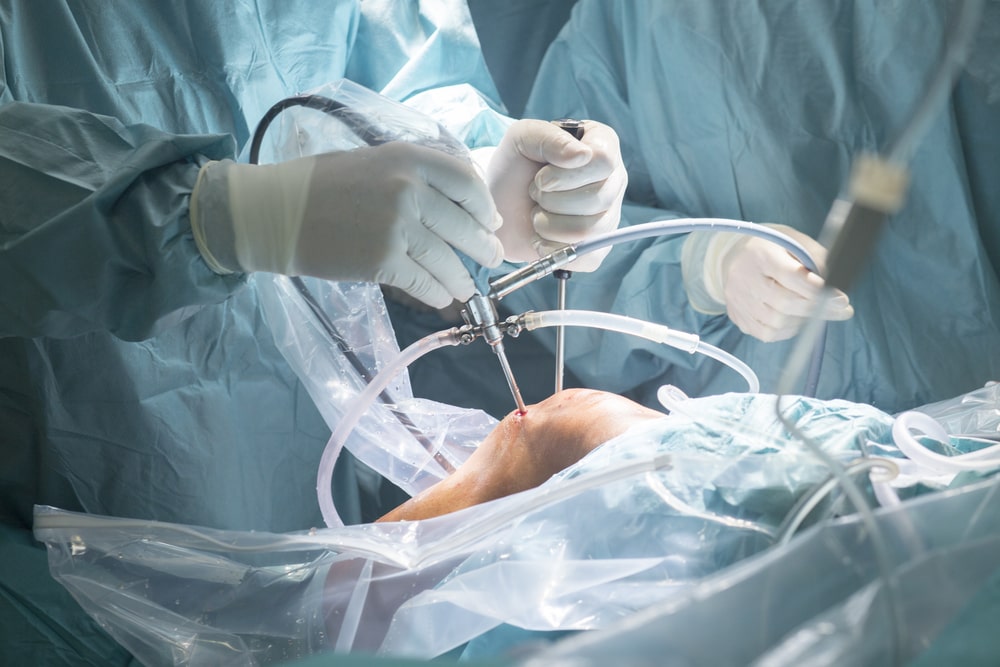
Arthroscopy (Keyhole Surgery)
A minimally invasive procedure using a small camera to repair joint damage.
Spine Surgery
Performed for slipped discs, spinal injuries, or nerve pressure.
Sports Injury Repair
Includes ligament repair, tendon repair, and cartilage correction.
Essential Instruments Used in Orthopedic Surgery
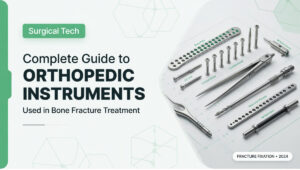
Now let’s talk about the tools. Orthopedic surgery uses specialized instruments designed for strength, precision, and durability.
Basic Surgical Instruments
These are standard tools used in almost every procedure:
- Surgical scissors
- Forceps (to hold tissue)
- Clamps
- Needle holders
- Surgical blades
These tools help open the area, control bleeding, and close wounds.
Bone Cutting Instruments
Bones are hard, so surgeons use strong cutting tools:
- Bone saws
- Surgical drills
- Chisels
- Bone cutters
Modern saws are often powered electrically for smoother cuts and better control.
Bone Holding and Positioning Tools
To keep bones steady during surgery:
- Bone clamps
- Holding forceps
- Alignment guides
These tools ensure bones stay in the correct position while being repaired.
Fixation Devices (Stabilizing Tools)
When repairing fractures or replacing joints, surgeons use:
- Metal plates
- Screws
- Rods
- Pins
These devices hold bones together while they heal. Most are made of safe, body-friendly metals.
Joint Replacement Implants
Artificial joints are carefully designed to mimic natural movement.
They are usually made from:
- Medical-grade metal
- Strong plastic
- Ceramic materials
These materials are durable and safe for long-term use.
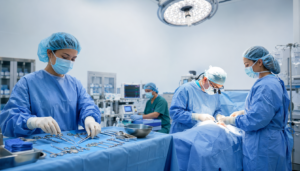
Sterilization and Safety Equipment
Safety is critical in orthopedic surgery.
Important safety tools include:
- Sterilized instrument trays
- Surgical gloves and gowns
- Air filtration systems
Surgical lights
Everything is carefully cleaned and sterilized to prevent infection.
Step-by-Step Orthopedic Surgery Workflow
Let’s walk through what typically happens during orthopedic surgery.
Patient Evaluation and Planning
Before surgery, doctors:
- Review medical history
- Conduct physical exams
- Perform scans (like X-rays or MRI)
- Plan the procedure carefully
Planning is extremely important. Surgeons measure, analyze, and prepare instruments beforehand.
Pre-Surgery Preparation
On surgery day:
- The patient fasts for several hours.
- Nurses prepare the surgical area.
- Anesthesia is given to prevent pain.
There are two main types:
- Local anesthesia (numbs a small area)
- General anesthesia (patient sleeps)
Surgical Procedure
Once the patient is ready:
- The surgeon makes an incision.
- Damaged bone or tissue is accessed.
- Repairs, replacements, or stabilization are performed.
- Instruments are carefully used as planned.
- The area is cleaned.
- The wound is closed with stitches or staples.
Depending on the complexity, surgery may last from 1 to 4 hours.
Recovery Room Monitoring
After surgery:
- Patient is moved to recovery.
- Vital signs are monitored.
- Pain management begins.
This phase ensures the patient wakes safely from anesthesia.
Rehabilitation and Follow-Up
Recovery doesn’t end in the operating room.
Rehabilitation includes:
- Physical therapy
- Exercise routines
- Medication management
- Follow-up visits
This stage is critical for regaining strength and movement.
How Technology Is Improving Orthopedic Surgery
Modern orthopedic surgery has improved significantly.
New advancements include:
- Robotic-assisted surgery
- 3D planning software
- Customized joint implants
- Minimally invasive techniques
These technologies help improve accuracy and reduce recovery time.
Safety Measures in Orthopedic Surgery
Patient safety is always the top priority.
Hospitals follow strict protocols:
- Double-checking patient identity
- Sterile environment control
- Careful instrument tracking
- Infection prevention measures
Global standards ensure safety remains consistent worldwide.
Risks and Complications
Like any surgery, orthopedic procedures carry some risks:
- Infection
- Blood clots
- Delayed healing
- Implant issues
However, with modern techniques, complications are rare and manageable.
Patients are educated beforehand about possible risks.
Recovery Timeline After Orthopedic Surgery
Recovery depends on the procedure type.
Minor Surgery:
2 to 6 weeks recovery
Joint Replacement:
3 to 6 months for full recovery
Physical therapy plays a huge role in speeding up healing.
Cost of Orthopedic Surgery Worldwide
Costs vary based on:
- Country
- Hospital type
- Procedure complexity
- Technology used
For example:
| Procedure | Estimated Global Cost Range |
|---|---|
| Knee Replacement | $5,000 – $30,000 |
| Hip Replacement | $6,000 – $35,000 |
| Fracture Repair | $3,000 – $15,000 |
Medical tourism is growing as patients seek affordable options abroad.
Choosing the Right Orthopedic Surgeon
When selecting a surgeon, consider:
- Experience level
- Patient reviews
- Hospital facilities
- Post-surgery support
Always ask questions and understand the procedure clearly.
Patient Tips Before and After Surgery
Before Surgery:
- Follow fasting instructions
- Inform doctor about medications
- Arrange home support
After Surgery:
Follow exercise routines
- Take medications as prescribed
- Keep wounds clean
- Attend follow-up visits
Small steps make a big difference in recovery.
Future of Orthopedic Surgery
The future looks promising.
Innovations include:
- Personalized implants
- Faster recovery programs
- Less invasive procedures
- Smart surgical tools
The goal is simple — less pain, quicker recovery, better results.
Conclusion
Orthopedic surgery plays a vital role in restoring mobility and improving quality of life worldwide. From fracture repair to full joint replacement, modern techniques and advanced instruments have made procedures safer and more effective than ever.
Understanding the instruments and workflow helps patients feel more confident and informed. While surgery may seem intimidating, today’s orthopedic practices prioritize safety, comfort, and successful recovery.
If you or someone you know is considering orthopedic surgery, proper knowledge and preparation can make the journey smoother and less stressful.
Movement is life — and orthopedic surgery helps protect it.
(FAQs)
1. Is orthopedic surgery painful?
During surgery, anesthesia prevents pain. After surgery, mild discomfort is common but managed with medication.
2. How long does orthopedic surgery take?
Most procedures last between 1 to 4 hours depending on complexity.
3. When can I walk after joint replacement?
Many patients begin walking with support within 1 to 2 days after surgery.
4. Are implants permanent?
Yes, most joint implants are designed to last 15–25 years or longer.
5. Is orthopedic surgery safe?
Yes. With modern technology and trained professionals, orthopedic surgery is generally safe and highly successful.
Disclaimer:
”This article is for educational and informational purposes only. It does not replace professional medical advice, diagnosis, or treatment. Always consult a qualified healthcare provider before making any medical decisions. The information provided is general and may vary depending on individual conditions and regional medical practices.”