Surgical Technologist Skills List: Essential Abilities, Tools, and Career Advantages

Surgical Technologist Skills List Technical, Soft Skills & Career Tips 2026
Introduction
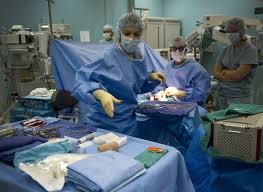
If you’ve ever been curious about what it takes to be an exceptional surgical technologist, you’re not alone. This critical healthcare role requires more than simply passing instruments to a surgeon. Surgical technologists are the unsung heroes of the operating room, responsible for ensuring that every procedure runs smoothly and safely. Their skills directly impact patient outcomes, surgical efficiency, and hospital operations.
Whether you are exploring a career in surgical technology or aiming to improve your professional skills, understanding the essential competencies is key. This article explores a comprehensive Surgical Technologist Skills List, covering technical expertise, soft skills, workplace adaptability, and tips for career advancement.
For a complete roadmap of surgical technology careers, including certifications, specialization, and long-term opportunities, check out our Ultimate Guide to Surgical Technologist Career
Why Skills Matter for Surgical Technologists
Surgical technologists are more than just assistants in the operating room. Their expertise affects:
- Patient Safety: Maintaining sterility and proper procedure reduces risks.
- Surgical Efficiency: Proper instrument management and preparation streamline surgeries.
- Teamwork and Collaboration: Smooth communication ensures everyone in the OR performs optimally.
- Career Growth: Skilled technologists are often promoted to specialized or supervisory roles.
Unlike other healthcare support roles, surgical technologists combine technical precision with rapid decision-making and interpersonal skills. These skills are vital not only for completing procedures but also for adapting to emergencies, managing surgical equipment, and ensuring post-operative safety.
Globally, hospitals and surgical centers place high value on technologists with a balanced combination of hard and soft skills, making skill mastery essential for anyone looking to succeed in this field.
Surgical Technologist Skills List
The skills required for surgical technologists can be divided into three main categories: technical skills, soft skills, and workplace-specific abilities. Each category contributes to overall efficiency, patient safety, and career advancement.
Technical Skills
Instrument Management
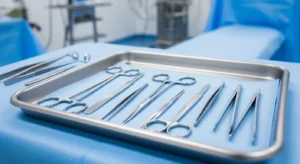
Surgical technologists must know every surgical instrument—from scalpels and forceps to clamps and retractors. Correct handling ensures safety and efficiency. Misplacing or mishandling tools can disrupt surgeries and increase patient risks.
Sterile Technique
Sterility is the foundation of surgery. Surgical technologists must master gowning, gloving, and handling instruments without contamination. Maintaining a sterile field requires constant vigilance and a deep understanding of infection control principles.
Operating Room Equipment Handling
Modern operating rooms are filled with high-tech equipment: electrocautery machines, suction devices, monitors, and laparoscopic instruments. Surgical technologists must operate, monitor, and troubleshoot these devices to ensure smooth procedures.
Surgical Setup and Preparation
Preparing the OR goes beyond arranging instruments. Technologists must ensure that all tools, supplies, and equipment are ready and functional, including checking sterilization, verifying patient data, and understanding the specific needs of each procedure.
Wound Care and Suturing Assistance
While not performing surgery independently, surgical technologists often assist with suturing, dressing wounds, and preparing sterile materials, supporting both surgeons and nurses efficiently.
Emergency Response Skills
Unexpected situations may arise during surgery: equipment failure, sudden complications, or patient emergencies. A skilled surgical technologist must remain calm, alert, and decisive, helping the team adapt quickly.
Documentation and Inventory Management
Maintaining accurate records of instruments, sponges, and procedural steps is critical. Hospitals rely on this data for compliance, auditing, and improving surgical efficiency.
Soft Skills
Attention to Detail
In the OR, even minor mistakes can have serious consequences. Surgical technologists must track every instrument, maintain sterility, and anticipate surgeon needs, ensuring zero errors.
Communication Skills
Surgical technologists coordinate with surgeons, nurses, and anesthesiologists. Clear and concise communication reduces misunderstandings, prevents delays, and enhances patient safety.
Teamwork
Surgery is a team sport. A surgical technologist must understand their role, support colleagues, and work seamlessly with the OR team.
Adaptability
Every surgery is different. Technologists must adapt quickly to changing situations, new surgeons, or unexpected complications, ensuring continuous workflow.
Emotional Resilience
Operating rooms are high-pressure environments. Staying calm under stress is crucial for patient safety, effective collaboration, and personal well-being.
Problem-Solving
From anticipating surgeon needs to managing sudden equipment malfunctions, technologists must think critically and act decisively.
Workplace-Specific Abilities
Physical Stamina
Long surgeries require standing for hours, lifting equipment, and maintaining high focus. Good physical fitness and endurance are essential.
Time Management
Operating rooms follow tight schedules. Efficient preparation, setup, and turnover reduce delays and enhance hospital productivity.
Organizational Skills
From arranging instruments to managing documentation, organization ensures smooth operations and compliance.
Observation and Critical Thinking
Technologists must anticipate surgeon requirements, detect subtle changes, and monitor patient conditions, making keen observation and critical thinking essential.
How Skills Affect Career Growth
Mastering these skills is not only essential for performing day-to-day duties but also plays a significant role in career advancement. Skilled surgical technologists are highly sought after globally, and hospitals often reward proficiency with higher salaries, promotions, and specialized opportunities.
- Specializations: Surgical technologists can specialize in areas such as cardiac, orthopedic, neurosurgery, or emergency surgery, each requiring additional technical expertise. Specialization often comes with higher pay and more responsibility.
- Advanced Roles: Experienced technologists may become surgical first assistants, operating room supervisors, or educators in surgical technology programs.
- Healthcare Transition: Some surgical technologists leverage their experience to transition into roles like registered nurse, surgical educator, or healthcare administrator.
Continuous skill development through training, certifications, and hands-on experience ensures technologists remain competitive in a field that is constantly evolving. According to industry reports, hospitals value surgical technologists who can combine technical precision, teamwork, and critical thinking.
Training Tips for Building Skills
Developing and refining skills is essential for both entry-level surgical technologists and experienced professionals. Here are some practical tips:
- Enroll in Accredited Programs: Choose a program that emphasizes hands-on training, not just theory. Practical exposure is crucial for mastering instrument handling, sterile technique, and OR workflows.
- Participate in Internships: Real-world experience in operating rooms builds confidence, exposes technologists to diverse surgical procedures, and enhances problem-solving abilities.
- Seek Mentorship: Learning from experienced surgical technologists accelerates skill acquisition and provides insights into workflow optimization, surgeon expectations, and career advancement.
- Stay Updated with Technology: Modern operating rooms use advanced surgical equipment. Familiarity with laparoscopic tools, electrosurgical units, and monitoring devices is increasingly important.
- Practice Sterile Techniques Regularly: Maintaining sterility is critical. Repetition and attention to detail in practice sessions build precision and reduce errors in real surgeries.
- Develop Soft Skills: Communication, teamwork, and emotional resilience can be enhanced through workshops, role-playing, and reflective practice.
Investing in these training strategies not only improves performance in the OR but also enhances career prospects and earning potential.
Global Relevance of Surgical Technologist Skills
Surgical technologists are in high demand worldwide. With the global healthcare industry expanding, the need for trained professionals who can handle sophisticated surgical procedures safely and efficiently continues to grow.
- United States: The Bureau of Labor Statistics predicts an 8% growth in surgical technologist jobs over the next decade, faster than the average for all occupations.
- United Kingdom: NHS hospitals actively recruit surgical technologists (sometimes called operating department practitioners) due to staff shortages in surgical units.
- Canada & Australia: Hospitals in major cities offer competitive salaries for technologists skilled in orthopedic, cardiac, and emergency surgery, highlighting the importance of advanced technical and soft skills.
- Emerging Markets: In countries with developing healthcare infrastructure, surgical technologists are critical to improving surgical safety standards and supporting expanding surgical capacities.
Globally, technologists with a strong combination of technical proficiency, adaptability, and teamwork are more likely to secure positions in top hospitals and surgical centers.
Tools and Equipment Surgical Technologists Must Master
Understanding and using medical tools effectively is a core skill. Some commonly used tools include:
- Scalpels and Scissors: For cutting tissue with precision.
- Forceps and Clamps: To hold tissue or secure vessels.
- Retractors: To hold back tissue for better visibility.
- Suction Devices: To clear fluids during surgery.
- Electrocautery Units: To stop bleeding or cut tissue using electric current.
- Sterilization Equipment: Autoclaves and ultrasonic cleaners to maintain hygiene.
Technologists must not only know how to use these tools but also anticipate which instruments will be needed next, ensuring smooth operations during critical procedures.
Practical Examples of Skills in Action
During a Cardiac Surgery: The surgical technologist quickly passes clamps, suction devices, and suturing tools while monitoring the sterile field, ensuring the surgeon can focus entirely on the procedure.
Orthopedic Surgery: A technologist prepares prosthetic implants and keeps surgical instruments organized for rapid access, reducing time under anesthesia.
Emergency Procedures: When unexpected complications arise, technologists adapt quickly, ensuring that all equipment is ready and assisting the surgeon without delay.
These examples highlight the importance of anticipation, precision, and teamwork, showing that a skilled technologist can directly influence patient safety and surgical outcomes.
How to Continuously Improve Skills
Even after certification, surgical technologists must continually refine their skills:
- Advanced Certifications: Specialization in cardiac, orthopedic, or neurosurgery.
- Workshops and Conferences: Learn the latest surgical techniques and equipment.
- Simulation Training: Practice handling rare or complex scenarios safely.
- Peer Learning: Observing senior technologists or mentors enhances practical knowledge.
- Self-Assessment: Reviewing past procedures to identify areas for improvement.
Continuous improvement ensures technologists remain competitive, confident, and capable in evolving surgical environments.
FAQs
What are the most important technical skills for a surgical technologist?
The most essential technical skills include instrument management, sterile technique, surgical setup, operating room equipment handling, and emergency response skills. Mastery of these skills ensures safety, efficiency, and smooth surgical procedures.
Which soft skills are critical for surgical technologists?
Key soft skills include attention to detail, communication, teamwork, adaptability, emotional resilience, and problem-solving. These skills allow surgical technologists to function effectively in high-pressure operating room environments.
Can surgical technologists specialize in certain types of surgery?
Yes, surgical technologists can specialize in areas like orthopedic, cardiac, neurosurgery, and emergency surgery. Specialization typically requires additional training, certifications, and experience but leads to advanced roles and higher salaries.
How can a surgical technologist improve their skills?
Continuous improvement can be achieved through advanced certifications, workshops, internships, mentorship, simulation training, and self-assessment. Keeping updated with new techniques and equipment is also crucial for professional growth.
Is physical fitness important for surgical technologists?
Absolutely. Physical stamina, manual dexterity, and endurance are essential for standing during long surgeries, handling instruments, and maintaining focus throughout procedures.
Are surgical technologist skills transferable globally?
Yes, the core skills—technical proficiency, teamwork, communication, and adaptability—are highly valued worldwide, allowing trained professionals to pursue careers in hospitals across different countries.
How do soft skills affect a surgical technologist’s career growth?
Soft skills such as communication, teamwork, and adaptability can open doors to advanced roles like operating room supervisor, surgical first assistant, or educator, enhancing career prospects and earning potential.
Conclusion
Surgical technologists play a vital role in the operating room, ensuring surgeries are efficient, safe, and successful. Their responsibilities go beyond simply handling instruments—they maintain sterile environments, assist surgeons, manage emergencies, and support post-operative procedures.
The skills required for this role are diverse, including technical expertise, soft skills, workplace-specific abilities, and the ability to adapt under pressure. Mastering these skills not only improves patient outcomes but also opens doors to specializations, advanced positions, and global opportunities.
For aspiring surgical technologists or those aiming to enhance their careers, focusing on skill development, continuous learning, and professional growth strategies is crucial. For a comprehensive roadmap including certifications, long-term growth, and career paths, read our Ultimate Guide to Surgical Technologist Career
Medical Disclaimer
“The information in this article is for educational purposes only and is not medical advice. Always consult a qualified healthcare professional for medical or career-related decisions. Reliance on this content is at your own risk.”