Surgical Technologist Job Description: Duties, Skills, Salary, and Career Insights
Surgical Technologist Job Description Roles, Skills, Salary, and Career Path
Introduction
Ever wondered what happens behind the scenes in an operating room? While surgeons perform life-saving procedures, there’s a highly trained professional ensuring that everything runs smoothly—the surgical technologist. If you’re considering a career in healthcare without spending years in medical school, this role offers an exciting and fast-paced path.
Surgical technologists, also called surgical teck, are critical members of the surgical team who manage the preparation, coordination, and post-procedure work in the operating room. Their presence allows surgeons to focus fully on the patient without worrying about whether instruments are ready or whether the sterile environment is maintained. Essentially, they are the conductors of the surgical orchestra, making sure each step is perfectly timed.
Their work directly impacts surgical efficiency, patient outcomes, and hospital operations. Without their expertise, surgeries could face delays, mistakes, or even patient safety risks. Because surgical procedures are often high-stakes, the precision and reliability of surgical technologists are invaluable.
In this article, we’ll explore the job description, daily duties, required skills, work environment, salary, and career growth opportunities of a surgical technologist. If you want a full understanding of the career path, including education, certifications, and long-term opportunities, make sure to check out our Ultimate Guide to Surgical Technologist Career. This expanded guide covers all aspects for anyone considering entering this fast-growing healthcare profession.
What Is a Surgical Technologist?
A surgical technologist is a healthcare professional who supports surgical teams before, during, and after operations. Imagine an operating room as a busy stage, and the surgeons are the stars performing the play. Surgical technologists are the stage managers, ensuring that every prop (or surgical instrument) is exactly where it needs to be at the right moment. Their work may not always be visible to patients, but it is critical to the success of every surgery.
The main responsibilities of a surgical technologist include:
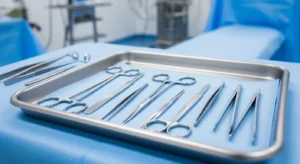
- Preparing surgical instruments and equipment: From scalpels to forceps, every tool must be accounted for and sterile.
- Maintaining a sterile environment: This prevents infections and ensures patient safety.
- Assisting surgeons during procedures: Handing instruments, managing equipment, and anticipating needs.
- Post-surgery cleanup and preparation: Ensuring instruments and operating rooms are ready for the next procedure.
Globally, the demand for surgical technologists is rising. Factors such as aging populations, increasing surgical procedures, and expanding healthcare infrastructure are contributing to a steady growth in this career. In the United States, for example, the Bureau of Labor Statistics predicts an 8% growth in employment for surgical technologists over the next decade, which is faster than average compared to other professions.
This role is particularly attractive for those who enjoy fast-paced environments, teamwork, and direct involvement in patient care without pursuing a lengthy medical degree. Surgical technologists are often able to enter the workforce within 1–2 years of training, making it an accessible and rewarding healthcare career choice.
Surgical Technologist Job Description Overview
The job description of a surgical technologist is structured around three main phases: pre-surgery preparation, intraoperative support, and post-surgery duties.
Pre-Surgery Preparation
Before surgery begins, surgical technologists set up the operating room, arrange instruments in a specific order, and ensure all equipment is functioning properly. They also review the surgical plan to anticipate the tools and steps the surgeon will need, much like a chef preparing all ingredients before cooking a complex dish.
Intraoperative Support
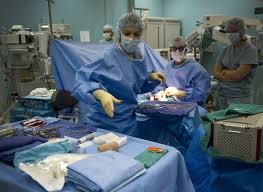
During the surgery, surgical technologists assist surgeons by handing instruments, monitoring the sterile field, and keeping track of surgical materials. Their role requires constant focus, anticipation, and quick decision-making. For instance, during a complex heart surgery, a technologist may need to hand over instruments in milliseconds while monitoring suction devices or cauterization equipment.
Post-Surgery Duties
After the surgery, their responsibilities continue. They conduct an instrument count to ensure nothing is left inside the patient, clean and sterilize the operating room, and prepare for the next procedure. They also document the surgery, noting any unique equipment needs or deviations from standard procedures.
A surgical technologist’s work combines technical expertise, organization, attention to detail, and teamwork. Hospitals rely on them to reduce errors, improve surgical efficiency, and maintain patient safety. The role may vary slightly depending on the healthcare setting, but the core responsibilities remain consistent worldwide.
Daily Duties of a Surgical Technologist
Before Surgery Responsibilities
Before a patient enters the operating room, a surgical technologist is already hard at work. Their pre-surgery responsibilities include:
- Operating Room Setup: Setting up surgical tables, arranging instruments, and checking all medical devices.
- Instrument Sterilization: Ensuring all surgical instruments are disinfected and safe to use.
- Assisting Surgical Team Preparation: Helping surgeons and nurses with sterile gowns, gloves, and other protective gear.
- Reviewing the Surgical Plan: Understanding which tools and techniques are needed for the procedure.
Proper preparation is essential. A poorly prepared operating room can delay surgeries, increase the risk of errors, or even compromise patient safety. Surgical technologists must remain organized, detail-oriented, and proactive, often preparing for multiple surgeries in a single day.
During Surgery Responsibilities
Once the surgery begins, the surgical technologist becomes the surgeon’s right hand. Every second counts, and a well-trained tech can make the difference between a smooth operation and a delayed or risky procedure. Their responsibilities during surgery include:
Handing Instruments Promptly: Surgical technologists anticipate the surgeon’s needs, passing instruments without hesitation. For example, in orthopedic surgery, the surgeon may request multiple clamps and retractors quickly—an experienced technologist already has them lined up and ready.
Monitoring the Sterile Field: Maintaining sterility is critical. Any contamination can lead to infections or complications. Surgical technologists constantly watch for breaches in sterile technique and immediately correct them if necessary.
Tracking Surgical Supplies: Sponges, needles, and tools must be counted meticulously. Losing track of these items could cause severe complications if something were accidentally left inside a patient.
Adjusting Equipment and Supporting Staff: They may manage suction devices, handle cauterization tools, or assist anesthesiologists. Flexibility and quick thinking are essential as surgeries often evolve unexpectedly.
The job requires physical stamina and mental focus. Surgeries can last from one hour to over twelve hours in rare cases. Surgical technologists must maintain concentration, ensuring every tool is available at the right moment, instruments are accounted for, and patient safety remains paramount.
Think of them as orchestra conductors, quietly ensuring the symphony flows perfectly while the surgeons perform the solo. Their efficiency and attention to detail not only make the surgeon’s job easier but also directly impact patient outcomes.
After Surgery Responsibilities
After the patient leaves the operating room, the surgical technologist’s work continues. Post-surgery duties are just as crucial as pre- and intraoperative tasks. They include:
- Instrument and Supply Count: Every tool and sponge used must be counted to confirm nothing is left inside the patient. Hospitals have strict protocols to prevent surgical errors.
- Cleaning and Sterilizing: The operating room must be sanitized thoroughly to prepare for the next procedure. Instruments are cleaned, sterilized, and organized.
- Assisting Patient Transfer: Surgical technologists may help nurses ensure that patients are safely moved from the operating table to recovery rooms.
- Documentation: Recording all instruments used, noting any unusual circumstances, and confirming safety checks. Proper documentation helps hospitals maintain standards, track efficiency, and comply with regulations.
This phase ensures patient safety, operational efficiency, and infection control. Many people underestimate the complexity of post-surgery work, but without it, hospitals could not sustain multiple surgeries per day. Surgical technologists ensure that each procedure ends safely and that the next one can begin promptly.
Essential Skills Required for Surgical Technologists
To excel in this field, surgical technologists need a combination of technical skills and soft skills:
Technical Skills
- Instrument Management: Identifying, organizing, and handling all surgical tools efficiently.
- Sterile Technique: Understanding and applying procedures that prevent infections.
- Equipment Handling: Operating medical devices such as suction machines, cauterization tools, and monitors.
- Time Management: Preparing and resetting operating rooms quickly for multiple surgeries.
Soft Skills
- Attention to Detail: Every instrument and step must be perfect. A single mistake can compromise patient safety.
- Communication: Surgical techs must clearly and efficiently communicate with surgeons, nurses, and anesthesiologists.
- Teamwork: Surgeries are collaborative; working seamlessly with the team is critical.
- Adaptability: Unplanned situations can arise, requiring quick thinking.
- Emotional Resilience: The operating room can be high-pressure and emotionally intense. Staying calm is key.
Strong skills in both areas make a surgical technologist indispensable in any surgical team, contributing to efficiency, safety, and patient trust.
Work Environment of a Surgical Technologist
Surgical technologists work in various healthcare settings:
- Hospitals: Large or specialty hospitals performing complex surgeries like cardiac, neurological, or trauma operations.
- Outpatient Surgical Centers: Minor procedures and same-day surgeries.
- Specialty Clinics: Focused on orthopedics, eye surgery, or cardiac procedures.
The operating room is a highly controlled, sterile environment. Everyone entering must wear protective gowns, masks, gloves, and caps. Surgical technologists often work long shifts, including nights or weekends, depending on the hospital’s schedule.
Physical stamina is required because procedures often last several hours. Moreover, the role demands mental alertness, precise coordination, and the ability to anticipate surgeon needs. Many technologists describe the job as stressful but highly rewarding, especially when they witness a surgery successfully improving a patient’s life.
Surgical Technologist Salary and Job Outlook
Surgical technologists earn competitive salaries compared to other healthcare support roles. Salaries vary globally depending on experience, location, and workplace type:
| Country | Average Salary (Annual) |
|---|---|
| USA | $55,000–$65,000 |
| UK | £25,000–£32,000 |
| Canada | CAD 50,000–CAD 60,000 |
| Australia | AUD 55,000–AUD 65,000 |
The job outlook is strong worldwide due to increasing surgeries, aging populations, and expanding healthcare systems. In the U.S., the Bureau of Labor Statistics forecasts 8% growth in employment for surgical technologists over the next decade.
Other advantages include career stability, opportunities for specialization, and global demand, making this an ideal healthcare career with both financial and professional growth potential.
How to Become a Surgical Technologist
Starting a career as a surgical technologist involves several steps:
Complete an Accredited Training Program: Typically 1–2 years, combining classroom instruction with hands-on clinical experience.
Earn Certification: Demonstrates competence and improves employment opportunities.
Gain Clinical Experience: Internships or entry-level positions provide practical exposure to operating rooms.
Continue Professional Development: Specializations, advanced certifications, and ongoing training improve skills and career prospects.
For a full roadmap including certifications, training programs, and global opportunities, check out our Ultimate Guide to Surgical Technologist Career.
Career Growth Opportunities
Surgical technologists can grow their careers in multiple directions:
- Specializations: Orthopedic, cardiac, neurological, or emergency surgery.
- Advanced Roles: Surgical first assistant, OR supervisor, or educator.
- Healthcare Transition: Registered nurse, surgical educator, or healthcare administrator.
Experience, specialization, and certifications open doors to higher salaries, leadership positions, and more challenging surgical cases. Many technologists use this role as a stepping stone for broader healthcare careers.
Conclusion
Surgical technologists are key players in the operating room, ensuring that surgeries are efficient, safe, and successful. From preparing instruments to assisting surgeons and managing post-operative cleanup, their work is integral to hospital operations and patient care.
This career offers competitive salaries, global demand, and long-term growth opportunities. For those who enjoy precision, teamwork, and meaningful work in healthcare, becoming a surgical technologist is a fulfilling and practical choice.
For a complete career roadmap, including certifications, specializations, and growth strategies, read our Ultimate Guide to Surgical Technologist Career.
FAQs
What does a surgical technologist do?
They prepare operating rooms, assist surgeons during procedures, and ensure patient safety throughout surgeries.
How long does it take to become a surgical technologist?
Typically 1–2 years through accredited training programs, followed by certification.
Where do surgical technologists work?
Hospitals, outpatient surgery centers, and specialty clinics globally.
Is surgical technology a good career?
Yes, it offers high demand, competitive salaries, and rewarding work in a fast-growing field.
Can surgical technologists specialize?
Yes, they can specialize in areas like orthopedic, cardiac, or emergency surgery, leading to advanced roles and higher salaries.
Medical Disclaimer
“The information in this article is for educational purposes only and is not a substitute for professional medical advice. Always consult a qualified healthcare professional for any medical or career-related decisions. Reliance on this content is at your own risk.”