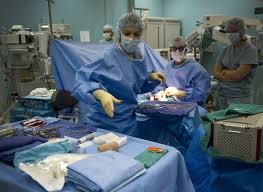
Surgical Technologist Duties in the Operating Room: Roles, Responsibilities, and Career Insights
Surgical Technologist Duties in the Operating Room Roles, Responsibilities, and Career Insights
Introduction
Have you ever wondered what happens behind the scenes in an operating room? While surgeons focus on performing life-saving procedures, a surgical technologist plays a vital role in ensuring that everything runs smoothly. These healthcare professionals are the unsung heroes of the operating room, combining organization, precision, and teamwork to support every surgery.
For those considering a career in healthcare without attending medical school, becoming a surgical technologist offers a fast-paced, rewarding, and globally in-demand career. Their duties go beyond handing instruments—they help maintain patient safety, organize tools, assist surgeons, and ensure the operating room runs efficiently.
In this article, we’ll explore the complete duties of a surgical technologist in the operating room, the skills required, how these responsibilities impact patient outcomes, and how this role fits into the broader healthcare career path. For a full career roadmap, you can also check our Ultimate Guide to Surgical Technologist Career
What is a Surgical Technologist?
A surgical technologist, sometimes called a surgical tech, is a healthcare professional who works closely with the surgical team before, during, and after procedures. They are responsible for:
- Preparing the operating room
- Arranging surgical instruments and equipment
- Assisting surgeons during operations
- Maintaining a sterile environment
- Supporting post-operative cleanup
Think of them as the orchestra conductors of the operating room—without their expertise, even the most skilled surgeons would struggle to operate efficiently. Globally, the demand for surgical technologists is rising due to aging populations, increasing surgeries, and expanding healthcare facilities.
Overview of Surgical Technologist Duties
The duties of surgical technologists can be categorized into three main phases:
- Pre-Operative Duties – Preparing the operating room, sterilizing instruments, and ensuring everything is ready before the patient enters.
- Intraoperative Duties – Assisting surgeons, handling instruments, maintaining sterility, and supporting the surgical team throughout the procedure.
- Post-Operative Duties – Cleaning the operating room, accounting for instruments, and preparing for the next surgery.
Each phase requires attention to detail, coordination, and adaptability, as mistakes in the OR can directly affect patient outcomes.
Pre-Operative Duties
Before the patient enters the operating room, a surgical technologist is already hard at work. Their responsibilities include:
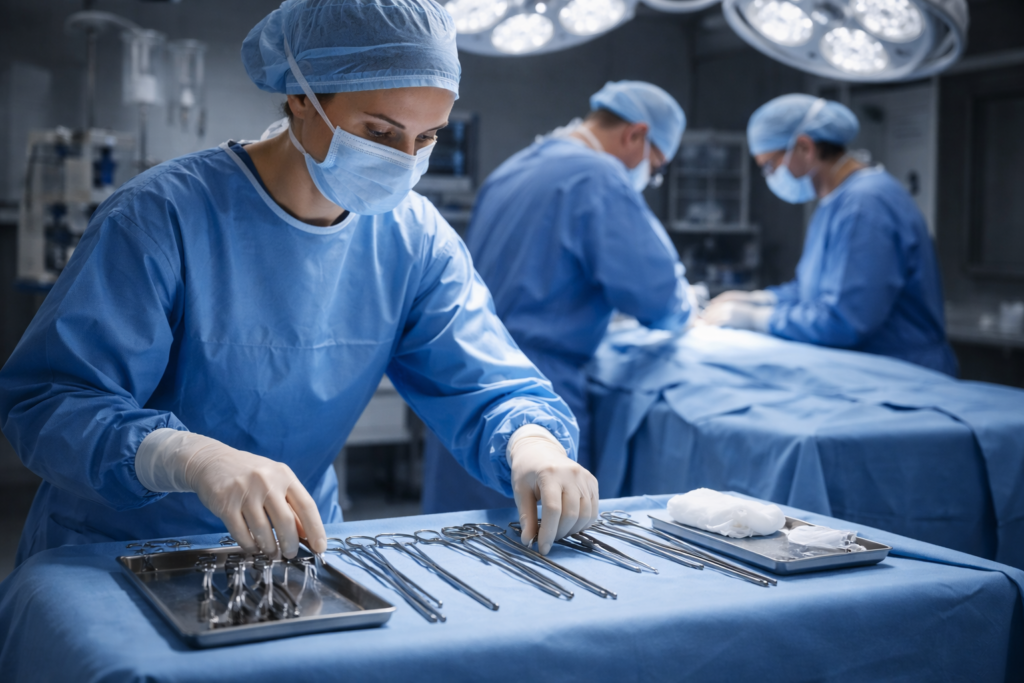
- Operating Room Preparation: Setting up surgical tables, arranging instruments, checking equipment functionality, and ensuring the environment is clean and sterile.
- Sterilizing Instruments: Cleaning and sterilizing all surgical tools to prevent infections.
- Reviewing Surgical Plans: Understanding the procedure, anticipating necessary instruments, and preparing specialized tools if needed.
- Supporting the Team: Assisting surgeons and nurses with gowning, gloving, and ensuring everyone has what they need.
A well-prepared OR reduces delays, improves surgical efficiency, and safeguards patient health. Hospitals rely heavily on technologists’ preparation skills to maintain a smooth workflow.
Intraoperative Duties
During surgery, the surgical technologist becomes the surgeon’s right hand. Key responsibilities include:
- Instrument Management: Passing instruments promptly and anticipating surgeon needs.
- Maintaining Sterility: Ensuring the sterile field is never compromised, which is critical to prevent infections.
- Monitoring Supplies: Keeping track of sponges, needles, and other materials to ensure nothing is misplaced.
- Supporting Staff: Assisting nurses and anesthesiologists with equipment adjustments or additional needs.
Surgeries can last from one hour to several hours, requiring technologists to maintain focus and precision throughout. Their expertise ensures the surgical team can perform efficiently, ultimately affecting patient recovery and outcomes.
Post-Operative Duties
After surgery, the work of a surgical technologist continues. Post-operative duties include:
- Instrument Count: Ensuring all surgical tools and materials are accounted for.
- Cleaning and Sterilizing: Preparing instruments and the OR for the next procedure.
- Assisting with Patient Transfer: Supporting nurses in moving patients safely from the OR to recovery.
- Documentation: Recording details about tools used, procedures performed, and safety checks.
Post-operative duties are crucial for infection prevention, patient safety, and operational efficiency.
Essential Skills for Operating Room Duties
Technical Skills
- Instrument Management: Know every tool, its purpose, and proper handling.
- Sterile Technique: Master procedures to maintain cleanliness and prevent contamination.
- Equipment Handling: Operate monitors, suction devices, and other OR technology.
- Time Management: Prepare ORs quickly for multiple surgeries.
Soft Skills
- Attention to Detail: Mistakes can have serious consequences.
- Communication: Coordinate effectively with surgeons, nurses, and anesthesiologists.
- Teamwork: Surgery is collaborative; coordination is essential.
- Adaptability: Respond quickly to unexpected changes or emergencies.
- Emotional Resilience: Stay calm under pressure to ensure patient safety.
Global Perspective: Surgical Technologist Duties Around the World
Surgical technologists are in demand globally, and their duties are largely similar, though some responsibilities may vary depending on the country’s healthcare system.
- United States: Surgical technologists assist in diverse surgeries, from minor outpatient procedures to complex operations. The Bureau of Labor Statistics projects 8% job growth through 2030, emphasizing the role’s stability.
- United Kingdom: Known as Operating Department Practitioners (ODPs), they perform similar tasks, with additional emphasis on patient monitoring and anesthesia support in some hospitals.
- Canada & Australia: Focused on teamwork in the OR, technologists manage equipment, prepare surgical sites, and support post-operative processes.
- Developing Countries: Surgical technologists often handle broader responsibilities due to staff shortages, including some roles typically assigned to nurses in more developed systems.
Despite regional differences, core duties—preparation, intraoperative support, and post-operative tasks—remain consistent, making these skills transferable internationally.
Tools and Equipment Surgical Technologists Work With
A surgical technologist must master a variety of medical tools and equipment to perform their duties efficiently:
| Tool / Equipment | Purpose |
|---|---|
| Scalpel | Cutting tissue with precision |
| Forceps | Holding tissue or securing vessels |
| Scissors | Cutting sutures or tissues |
| Clamps | Controlling blood flow or tissue |
| Retractors | Holding back tissue for better visibility |
| Suction Devices | Removing fluids during surgery |
| Electrocautery Units | Controlling bleeding with electrical currents |
| Sterilization Equipment | Autoclaves or ultrasonic cleaners for hygiene |
| Surgical Trays | Organizing instruments for quick access |
| Monitors and OR Machines | Monitoring patient vitals and equipment status |
Tip: Skilled technologists not only know how to use these tools but anticipate what surgeons will need next, which is a hallmark of efficiency and expertise.
Career Growth and Advancement
Mastering surgical technologist duties opens doors to career advancement and specialization:
- Specialization Opportunities: Orthopedic, cardiac, neurosurgery, and emergency surgery. Specializing often comes with higher pay and greater responsibility.
- Advanced Roles: Surgical first assistant, OR supervisor, or educator. Experienced technologists can train new staff and manage OR workflows.
- Healthcare Transitions: Some technologists leverage their skills to become registered nurses, surgical educators, or administrators, expanding their career trajectory.
According to industry insights, hospitals worldwide value technologists who excel in both technical and soft skills, making continual learning and certifications critical for long-term growth.
Training Tips to Excel in the Operating Room
- Enroll in Accredited Programs: Focus on hands-on training that prepares you for real OR scenarios.
- Gain Clinical Experience: Internships in hospitals or surgical centers develop practical skills and confidence.
- Seek Mentorship: Learn from senior technologists to understand workflow nuances.
- Keep Learning: Modern operating rooms use evolving technology—familiarity with new equipment is essential.
- Practice Sterile Techniques: Regular practice ensures precision and reduces errors during surgeries.
- Develop Soft Skills: Communication, adaptability, and teamwork can be improved through workshops or real-world experience.
FAQs
What are the main duties of a surgical technologist in the operating room?
They prepare the OR, sterilize instruments, assist surgeons during surgery, monitor the sterile field, and support post-operative procedures.
How long does it take to become a surgical technologist?
Typically 1–2 years through accredited programs, followed by optional certification.
Where can surgical technologists work?
Hospitals, outpatient surgery centers, specialty clinics, and globally in facilities requiring surgical support.
Is surgical technology a good career choice?
Yes, it offers high demand, job stability, competitive salaries, and rewarding work in healthcare.
Can surgical technologists specialize?
Yes, specialties include orthopedic, cardiac, neurosurgery, and emergency surgery, often leading to advanced roles.
Are the skills of surgical technologists transferable internationally?
Yes, core skills such as instrument handling, sterile technique, and OR teamwork are valued globally.
What soft skills are most important for surgical technologists?
Communication, attention to detail, teamwork, adaptability, and emotional resilience are critical in high-pressure OR environments.
Conclusion
Surgical technologists are key players in the operating room, ensuring that surgeries are efficient, safe, and successful. Their duties span from preparation to intraoperative support and post-operative management, requiring a combination of technical expertise, soft skills, and situational awareness.
Mastering these duties not only improves patient outcomes but also provides opportunities for specialization, career growth, and international work. For those interested in pursuing this rewarding career, focusing on skill development, certifications, and practical experience is essential.
For a complete guide to surgical technologist careers, including education, certifications, and long-term growth, check out our Ultimate Guide to Surgical Technologist Career
Medical Disclaimer
“The information in this article is for educational purposes only and is not medical advice. Always consult a qualified healthcare professional for medical or career-related decisions. Reliance on this content is at your own risk.”