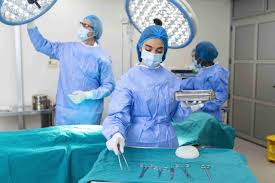
The Complete Guide to Becoming a Surgical Technologist — Roles, Skills, Education, Salary, and Career Growth
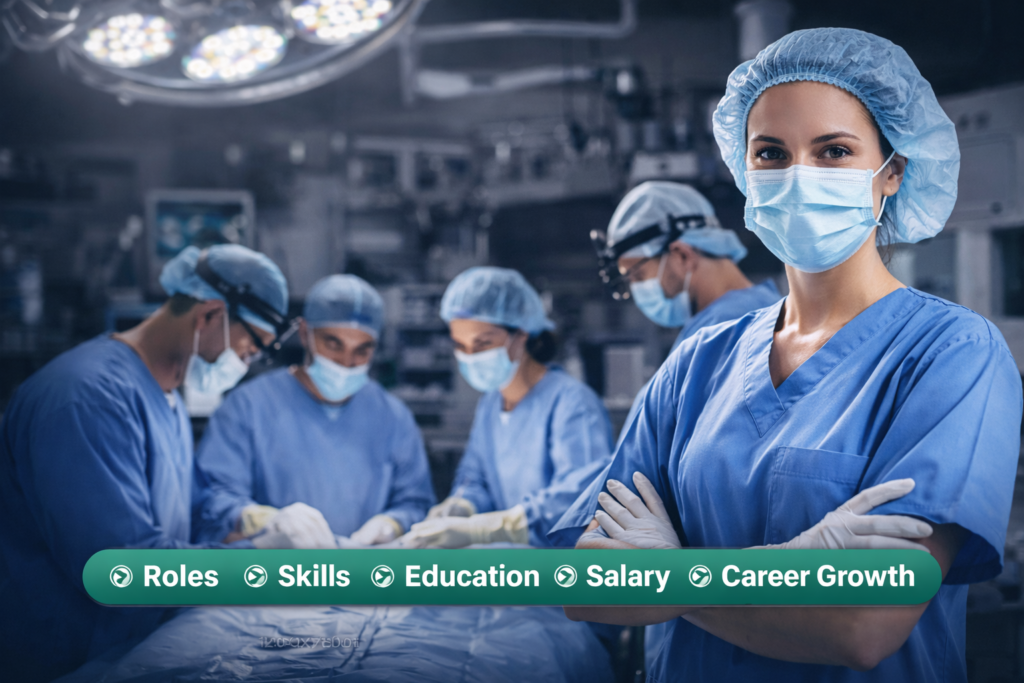
A focused medical student reviewing surgical instruments and training materials to build a strong foundation for a career in surgical technology.
Surgical technology plays a critical role in modern healthcare. Behind every successful surgery, there is a skilled Surgical Technologist supporting surgeons, nurses, and anesthesiologists to ensure patient safety, sterile conditions, and smooth surgical procedures. This profession is becoming increasingly important as hospitals adopt advanced surgical technologies, robotics, minimally invasive techniques, and smarter operating rooms.
This comprehensive guide explains who surgical technologists are, what they do, the skills they need, education pathways, salary insights, and future career opportunities. The article is written for medical professionals, students, and general readers who want a clear and practical understanding of this field.
What Is a Surgical Technologist?
A Surgical Technologist (also called Surgical Tech, Scrub Tech, or Operating Room Technologist) is a trained healthcare professional who assists during surgical procedures by:
- Preparing the operating room
- Maintaining sterile and aseptic environments
- Handling surgical instruments and equipment
- Supporting surgeons before, during, and after surgery
They are part of the perioperative care team, working closely with:
- Surgeons
- Operating room nurses
- Anesthesia teams
- Sterile processing departments
Their work helps ensure precision, safety, and efficiency throughout the surgical process.
Why Surgical Technologists Are Essential in Modern Healthcare
- The role is becoming more important due to:
- Growth of minimally invasive and robotic surgeries
- Increasing demand for trained perioperative teams
- Greater emphasis on infection control and sterile protocols
- Expansion of hospital surgical departments worldwide
Without skilled surgical technologists, surgical procedures would be slower, riskier, and less organized.
Core Responsibilities of a Surgical Technologist
A surgical technologist’s responsibilities are usually divided into three main phases of surgery.
Pre-Operative Responsibilities
- Preparing operating room and sterile field
- Ensuring instruments and equipment are functioning
- Arranging surgical trays and tools
- Sterilizing instruments and drapes
- Checking patient charts and operative requirements
- Assisting the surgical team with gowning and gloving
This phase is critical for infection prevention and patient safety.
Intra-Operative Responsibilities
- During surgery, the surgical technologist:
- Passes instruments and supplies to the surgeon
- Anticipates surgical needs ahead of time
- Handles sutures, clamps, and sponges
- Maintains a sterile environment
- Operates suction and retraction tools when required
- Tracks used instruments and sharps for safety
They must remain focused, precise, and responsive during procedures.
Post-Operative Responsibilities
After surgery, duties include:
- Preparing and securing surgical specimens
- Cleaning and sterilizing instruments
- Removing drapes and disposing of biohazard waste
- Restocking and preparing the OR for the next case
- Supporting post-operative workflow
Their role ensures continuity of surgical operations.
Key Skills Required to Work as a Surgical Technologist
Successful surgical technologists combine technical ability with professional discipline.
Essential Professional Skills
- Strong attention to detail
- Excellent hand–eye coordination
- Ability to work under pressure
- Focus and situational awareness
- Time management
- Ethics, reliability, and teamwork
Medical & Technical Skills
- Knowledge of aseptic and sterile techniques
- Understanding of anatomy and surgical procedures
- Instrument handling and tray setup
- Familiarity with operating room equipment
- Infection control and safety protocols
Soft Skills (Highly Valued)
- Communication and teamwork
- Professional behavior and respect for patient privacy
- Emotional resilience
- Problem-solving and adaptability
These skills help surgical technologists perform confidently in fast-paced, high-precision environments.
Education and Training Pathway
Most surgical technologists complete formal education and clinical training, which typically includes:
- Diploma or certificate programs
- Associate degree programs in surgical technology
- Clinical hospital-based training
- Operating room internships
Programs usually cover:
- Human anatomy & physiology
- Microbiology & infection control
- Surgical instrumentation
- Operating room ethics & protocols
- Perioperative procedures
Many hospitals and employers also prefer or encourage certification and continuing education, especially with advances in robotics and minimally invasive surgery.
Work Settings and Career Opportunities
Surgical technologists work in a variety of healthcare environments, including:
- Hospitals and surgical centers
- Private surgical clinics
- Trauma and emergency units
- Robotic and minimally invasive surgery departments
- Obstetrics and gynecology theaters
- Orthopedic, cardiac, and general surgery units
With experience, professionals can advance into roles such as:
- Senior Surgical Technologist
- Operating Room Team Leader
- Sterile Processing or OR Supervisor
- Surgical Assistant roles
- Clinical educator or trainer
Some continue further education toward nursing, anesthesia, or advanced surgical support careers.
Salary and Career Growth Outlook
Surgical technologist salaries vary depending on:
- Education level
- Hospital type and specialization
- Experience and certifications
- Region and healthcare system
However, globally, the profession continues to show steady growth, driven by:
- Expanding surgical services
- Aging populations
- New surgical technologies
- Demand for specialized perioperative professionals
This makes surgical technology a stable and future-relevant career path.
The Role of Technology in the Future of Surgical Technologists
Modern operating rooms increasingly use:
- Robotic-assisted surgery systems
- Laparoscopic and endoscopic tools
- Digital imaging and navigation systems
- AI-assisted surgical planning
- Smart sterilization and monitoring systems
Surgical technologists now work alongside advanced medical technologies, requiring continuous learning and updated training.
Future professionals will play a greater role in:
- Robotic instrument handling
- Advanced OR workflow management
- Precision and minimally invasive procedures
- Surgical safety and automation systems
This shift makes the career more technical, specialized, and rewarding.
Why This Career Appeals to Global Students and Medical Learners
The field attracts students worldwide because it offers:
- Entry into the surgical and healthcare sector
- Hands-on operating room experience
- Strong demand and steady employment
- A meaningful role in patient care
- Pathways to higher medical careers
For students interested in surgery, healthcare operations, or medical support careers, surgical technology provides a strong foundation.
Conclusion
Surgical technologists are vital members of the surgical team, contributing to patient safety, precision, and procedural success. Their work combines technical skill, medical knowledge, discipline, and teamwork. As healthcare evolves and surgical technology advances, this profession will continue to grow — offering valuable opportunities for students, professionals, and global healthcare learners.
FAQs
What is the main role of a Surgical Technologist?
A surgical technologist assists surgeons during procedures by preparing the operating room, maintaining sterile conditions, handling instruments, and supporting perioperative workflows.
Is surgical technology a good career for medical students?
Yes. It provides practical exposure to surgery, patient care, and hospital operations — making it an excellent foundation for future medical or healthcare careers.
Do Surgical Technologists work only inside operating rooms?
Most of their work is OR-based, but they may also support pre-operative preparation, sterile processing, and post-operative tasks.
What skills are most important in this profession?
Attention to detail, sterile technique knowledge, teamwork, communication, and the ability to stay calm during high-pressure surgical procedures.
Does technology and robotics affect this career?
Yes — modern surgical practice increasingly uses robotics, minimally invasive tools, and smart OR systems, which expands and upgrades the role of surgical technologists.