How Robotic Knee Replacement Works: Procedure, Benefits, and Risks

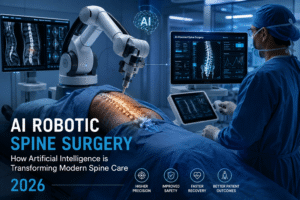
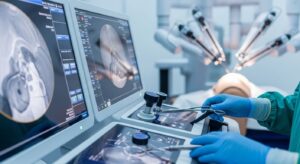
A realistic view of robotic-assisted knee replacement surgery in a modern operating room, showing surgeons using precision technology to improve implant alignment and patient outcomes.
Knee pain caused by arthritis, cartilage damage, or age-related joint degeneration can slowly affect a person’s quality of life. Over time, activities such as walking, bending, climbing stairs, or even standing up from a chair can become painful and difficult. When medications, physiotherapy, lifestyle changes, and injections stop providing relief, doctors may recommend knee replacement surgery. In recent years, robotic knee replacement has emerged as an advanced and highly precise approach to joint surgery.
This guide explains in simple and detailed language how robotic knee replacement works, what happens before and during the operation, the benefits and risks, recovery expectations, and who may be a suitable candidate. The purpose is to help patients and families clearly understand the procedure so they can make informed decisions about treatment.
What Is Robotic Knee Replacement?
Robotic knee replacement is a type of knee replacement surgery in which the surgeon uses robotic-assisted technology to perform the procedure with greater accuracy and control. It is important to understand that the robot does not perform the surgery on its own. The surgeon remains fully in charge from start to finish. The robotic system acts like a highly advanced guide that assists the surgeon in planning and executing each step of the operation with precision.
During the procedure, the robotic system creates a detailed and accurate model of the patient’s knee. This helps the surgeon identify the damaged areas of bone and cartilage, plan the bone cuts, position the implant properly, and maintain balance in the knee joint. Every person’s knee shape, structure, and movement pattern is different, and robotic technology allows the surgeon to customize the surgery according to the patient’s anatomy rather than using a standard, one-size-fits-all approach.
When Do Doctors Recommend Robotic Knee Replacement?
Doctors generally recommend robotic knee replacement for people who have long-term knee pain and stiffness that does not improve with non-surgical treatment. The most common causes include:
- Severe osteoarthritis
- Rheumatoid arthritis
- Joint damage caused by injury
- Cartilage loss leading to bone-on-bone friction
- Knee deformity, bow-leg or knock-knee alignment problems
Difficulty walking or performing daily activities
Patients who experience pain when walking, climbing stairs, sitting down or standing up, or who feel instability or deformity in the knee may be candidates for the procedure. In some complex knee conditions, robotic-assisted surgery can provide better accuracy than traditional manual techniques.
How Robotic Knee Replacement Works: Step-by-Step Explanation
Robotic knee replacement follows a structured process. The entire journey can be divided into four main stages: pre-operative planning, real-time guidance during surgery, implant placement, and final testing.
1. Pre-Operative Imaging and Surgical Planning
Before the surgery, the patient undergoes a detailed imaging scan of the knee, often a CT scan. This scan is uploaded into the robotic planning software, which creates a 3-dimensional virtual model of the knee joint. This model allows the surgeon to carefully study the structure of the bones, the amount of cartilage wear, the joint spacing, and the alignment of the leg.
Using the 3D model, the surgeon can plan:
- How much damaged bone needs to be removed
- The correct implant size and shape
- The angle and alignment necessary to restore natural knee movement
- The best way to balance ligaments and soft tissues
This planning process makes the surgery more accurate and predictable. Instead of making all decisions during the operation, many critical steps are prepared in advance with the help of detailed measurements.
2. Real-Time Robotic Assistance During Surgery
On the day of surgery, a small incision is made to access the knee joint. Special sensors or trackers are positioned to connect the patient’s real knee to the digital model created earlier. This allows the robotic system to match the actual anatomy with the virtual surgical plan.
The robotic device or robotic-assisted arm guides the surgeon’s instruments inside a safe and controlled boundary. While the surgeon performs the bone cuts, the robotic system continuously monitors hand movements and ensures the instruments stay within planned limits. This reduces the risk of removing too much bone or accidentally damaging nearby tissue.
You can think of it as similar to using GPS navigation in a car. The driver controls the vehicle, but the GPS provides direction, accuracy, and alerts. In the same way, the surgeon operates the tools, while the robotic system improves control and precision.
3. Implant Placement and Joint Balancing
After the damaged bone and cartilage are removed, the artificial knee implant is positioned on the prepared joint surface. At this stage, the robotic system plays an important role in assessing alignment, movement, and joint balance.
The surgeon tests:
- How smoothly the knee bends and straightens
- Whether the implant remains aligned when pressure is applied
- Whether the ligaments on both sides are equally balanced
- Whether the knee feels stable and natural during motion
If needed, small adjustments can be made immediately to achieve a better and more comfortable outcome. This fine-tuning helps the implant function more like a natural knee and improves long-term results.
4. Final Testing and Wound Closure
Once the implant is properly placed and the movement of the knee is tested, the surgical area is cleaned and the incision is closed. The patient is then transferred to recovery, where monitoring and post-operative care begin.
Benefits of Robotic Knee Replacement
Many patients and surgeons choose robotic knee replacement because it offers several meaningful advantages over traditional manual surgery.
1. Higher Precision and Better Alignment
The biggest benefit is improved accuracy. The robotic system measures bone structure and implant position with extremely fine detail. This leads to more precise bone cuts, better matching of implant shape, and improved alignment of the leg. Proper alignment helps reduce implant wear, improves stability, and increases comfort during movement.
2. Less Tissue Damage and Bone Preservation
Robotic systems allow surgeons to remove only the damaged parts of the bone while preserving healthy bone and surrounding tissues. This results in less surgical trauma, reduced swelling, and smaller incisions. Because the operation is more controlled, there is often less disturbance to ligaments and soft tissues.
3. Faster and Smoother Recovery
Many patients experience reduced pain, earlier mobility, and quicker rehabilitation after robotic-assisted surgery. Because tissues are handled more gently and bone cuts are highly accurate, patients may begin walking and performing light movements sooner compared to some conventional techniques.
4. More Natural Knee Movement
The precise positioning of the implant helps restore a natural pattern of motion. Patients often report better bending, improved walking comfort, and greater confidence in their knee joint. Proper balancing of ligaments prevents stiffness and instability.
5. Lower Risk of Implant Failure or Revision Surgery
Some knee replacements fail because of poor alignment or uneven pressure on the implant. Robotic guidance helps minimize these risks by improving the accuracy of every step. As a result, the implant may last longer and function more reliably.
Possible Risks and Limitations
Even though robotic knee replacement is considered safe and effective, no surgical procedure is completely risk-free. Potential complications may include:
- Infection
- Blood clots
- Nerve or tissue injury
- Stiffness or limited range of motion
- Implant loosening in rare cases
Technical or mechanical issues with equipment
The surgery may also take slightly longer than traditional surgery in some situations. Additionally, because advanced technology and specialized training are involved, the cost may be higher than standard procedures in certain hospitals.
Not every patient is an ideal candidate. People with severe infections, uncontrolled medical conditions, or certain deformities may require other surgical approaches. A thorough evaluation by an orthopedic specialist is necessary before deciding.
Recovery After Robotic Knee Replacement
Recovery depends on factors such as age, general health, physical strength, and commitment to rehabilitation. However, the general recovery pattern includes the following milestones:
- Most patients begin standing or walking with assistance within one or two days
- Physiotherapy starts early to restore movement and strength
- Light daily activities may resume within a few weeks
- Full recovery and strength improvement may take three to six months
Important Recovery Guidelines
- Follow prescribed exercises and physiotherapy schedules
- Avoid heavy lifting or high-impact sports until cleared by a doctor
- Maintain a healthy body weight to reduce stress on the implant
- Keep the incision area clean and follow wound-care instructions
- Use walking supports if recommended
- Consistent rehabilitation plays a major role in long-term success.
Robotic Knee Replacement vs. Traditional Knee Replacement
Both procedures aim to relieve pain and improve mobility. Traditional knee replacement has been performed successfully for decades and remains effective. However, robotic knee replacement offers enhanced accuracy, controlled bone cutting, and improved implant alignment. These qualities may lead to a more comfortable and natural-feeling knee in many patients.
Even with advanced technology, the most important factor is the experience and skill of the surgeon, combined with proper rehabilitation and patient commitment.
Who May Be a Good Candidate?
A person may be considered suitable for robotic knee replacement if they have:
- Persistent knee pain and stiffness
- Difficulty walking or performing daily tasks
- Visible joint damage on X-ray or scan
- Misalignment, deformity, or instability
Limited response to non-surgical treatments
The final decision is made after medical assessment, imaging studies, and discussion of patient expectations.
Conclusion
Robotic knee replacement represents a major advancement in modern joint surgery. By combining human expertise with computer-guided technology, the procedure provides greater precision, improved implant alignment, better tissue preservation, and smoother recovery compared to many conventional methods. While it may not be suitable for everyone, it offers an excellent treatment option for patients seeking a more accurate and personalized approach to knee replacement.
The best way to determine whether robotic knee replacement is appropriate is to consult an experienced orthopedic surgeon, discuss symptoms and goals, review imaging scans, and make a decision based on professional guidance and personal comfort.
FAQS
1. Is robotic knee replacement safer than traditional surgery?
Both are safe when performed by skilled surgeons. Robotic assistance improves accuracy and reduces the chance of alignment errors.
2. Does robotic knee surgery reduce pain after the operation?
Many patients experience less pain and swelling due to minimal tissue disturbance, though individual experiences may vary.
3. How long does a robotic knee implant last?
With proper alignment, lifestyle care, and medical follow-up, implants may last many years, often 15 to 25 years or more.
4. Is the surgery fully performed by a robot?
No. The surgeon controls every movement. The robot only helps guide and improve precision.
5. How long is the hospital stay?
Most patients stay one to three days, depending on recovery speed and mobility.