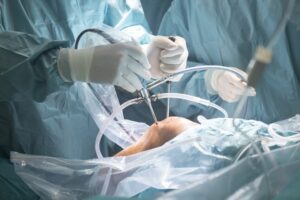
How Operating Room Prep Improves Patient Safety
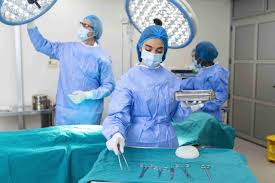
How Operating Room Prep Improves Patient Safety
When we think about surgery, we usually picture surgeons, bright lights, and medical tools. But what most people don’t see is what happens before the first incision. The real foundation of a safe surgery begins long before the patient enters the room. It starts with operating room preparation.
Operating room (OR) prep is not just about cleaning a space. It’s a carefully planned process designed to reduce risks, prevent infections, improve teamwork, and protect patient lives.
In this detailed guide, we’ll explore how proper operating room preparation improves patient safety, why it matters globally, and what steps hospitals take to ensure every surgery is as safe as possible.
Why Operating Room Preparation Matters
Imagine building a house without checking the foundation. Sounds risky, right? Surgery works the same way. If preparation is weak, the chances of complications increase.
Operating room preparation ensures:
- A clean and sterile environment
- Properly arranged surgical tools
- Confirmed patient identity
- Ready emergency equipment
- Clear communication among staff
Without these steps, even a simple procedure can turn dangerous. Globally, hospitals follow strict preparation standards to reduce errors and improve outcomes.
Preparation is not optional — it’s life-saving.
What Is Operating Room Preparation?
Operating room preparation is the step-by-step process of getting the surgical environment ready before a procedure begins.
It includes:
- Cleaning and disinfecting the room
- Checking and arranging instruments
- Reviewing patient records
- Confirming surgical plans
- Preparing monitoring devices
- Ensuring safety protocols are followed
Think of it as a checklist that leaves no room for guesswork. Every small detail matters because surgery requires precision and focus.
When preparation is done correctly, the surgical team can concentrate fully on the procedure itself.
Step-by-Step Operating Room Preparation Process
Let’s break down the typical workflow used worldwide.
Deep Cleaning and Sterilization
Before surgery, the operating room is thoroughly cleaned. Surfaces, lights, beds, and equipment are disinfected using hospital-grade cleaning solutions.
Air systems are checked to maintain clean airflow. Some hospitals use special filtration systems to remove tiny particles and reduce infection risks.
Cleanliness is the first and most important layer of protection.
Surgical Instrument Preparation
All surgical tools are cleaned, sterilized, and carefully arranged in trays.
Staff double-check:
- Instrument completeness
- Sterilization indicators
- Functionality of tools
- Backup instruments availability
Nothing is left to chance. If one tool is missing or not working properly, it can delay surgery or create risk.
Proper arrangement also saves time during the procedure.
Equipment and Technology Checks
Modern operating rooms rely on equipment such as:
- Monitoring machines
- Surgical lights
- Suction devices
- Power tools
Before surgery begins, each device is tested. Backup systems are also prepared in case of unexpected issues.
This step prevents technical failures during critical moments.
Patient Verification Process
One of the most important safety steps is patient identification.
The surgical team confirms:
- Patient name
- Procedure type
- Surgical site (left or right side)
- Allergies
- Medical history
This confirmation is done multiple times to prevent wrong-site or wrong-patient surgery.
Simple? Yes. Life-saving? Absolutely.
Surgical Team Briefing
Before the procedure, the entire team gathers for a short discussion.
They review:
- Patient condition
- Surgery plan
- Possible risks
- Individual responsibilities
This improves communication and teamwork. When everyone is on the same page, mistakes decrease significantly.
How OR Preparation Reduces Infection Risk
Infections are one of the biggest risks in surgery. Proper preparation dramatically lowers that risk.
Here’s how:
- Sterile instruments prevent bacteria transfer
- Clean air systems reduce airborne germs
- Hand hygiene protocols protect patients
- Surgical clothing prevents contamination
According to global health studies, strict operating room preparation reduces infection rates by a significant margin.
Infection prevention saves lives and reduces hospital stays.
Improving Surgical Accuracy Through Preparation
When tools are organized and equipment works properly, surgeons can focus entirely on the procedure.
Preparation improves:
- Precision
- Efficiency
- Confidence
- Response time in emergencies
Imagine searching for a tool in the middle of surgery. That delay could increase stress and risk. Proper prep eliminates chaos.
An organized environment creates safer outcomes.
The Role of Teamwork in Patient Safety
Surgery is not a one-person job. It requires coordination between:
- Surgeons
- Nurses
- Technicians
- Anesthesia staff
Operating room prep includes assigning clear roles. Everyone knows what to do and when to act.
Strong communication reduces misunderstandings, which are often the cause of preventable errors.
In short, preparation builds teamwork — and teamwork protects patients.
How Technology Enhances OR Safety
Modern hospitals use technology to strengthen preparation processes.
Examples include:
- Digital surgical checklists
- Electronic patient records
- Automated sterilization systems
- Real-time monitoring systems
These tools reduce human error and improve tracking.
Technology acts as a safety net, supporting medical teams in high-pressure environments.
Emergency Readiness: Preparing for the Unexpected
Even routine surgeries can face unexpected challenges.
That’s why operating room prep includes:
- Emergency medication availability
- Backup power systems
- Extra surgical supplies
- Blood availability if needed
Preparation ensures the team is ready for any situation.
Safety is not just about preventing problems — it’s about being ready to handle them.
Global Standards for Operating Room Safety
Across the world, hospitals follow international safety guidelines.
These standards focus on:
- Sterility
- Communication
- Equipment checks
- Patient identification
- Risk management
Global health organizations promote structured checklists that have reduced surgical complications worldwide.
No matter the country, patient safety remains the top priority.
Benefits of Proper OR Preparation for Patients
From a patient’s perspective, proper preparation means:
- Lower infection risk
- Reduced complications
- Shorter hospital stays
- Faster recovery
- Greater peace of mind
Patients may not see the preparation process, but they benefit from it every single time.
Behind every successful surgery is a well-prepared operating room.
Common Mistakes Avoided Through Proper Preparation
Without structured prep, hospitals may face:
- Missing instruments
- Equipment failure
- Miscommunication
- Delays
- Preventable complications
Preparation eliminates these risks by using organized systems and double-check procedures.
Safety is built on discipline and routine.
How Patients Can Contribute to OR Safety
Patient involvement also matters.
Before surgery, patients should:
- Share full medical history
- Mention allergies
- Follow fasting instructions
- Ask questions
- Confirm procedure details
Open communication between patient and medical team improves safety.
You are part of your safety team.
Future Trends in Operating Room Preparation
Healthcare continues to evolve.
Future trends in Operating Rooms improvements may include:
- Artificial intelligence for safety checks
- Advanced infection control systems
- Smarter monitoring devices
- More efficient workflow systems
The goal remains the same: safer surgeries and better patient outcomes worldwide.
Conclusion
Operating room preparation is the hidden hero of safe surgery. While patients may only see the surgical team at work, the real safety foundation is built beforehand.
From sterilizing instruments to verifying patient identity and testing equipment, every detail matters. Proper preparation reduces infection risk, improves teamwork, prevents errors, and ensures emergency readiness.
No matter where you are in the world, operating room prep plays a crucial role in protecting patient lives.
Safe surgery begins before surgery even starts.
(FAQs)
Why is operating room preparation important?
It reduces infection risks, prevents errors, ensures equipment readiness, and improves patient safety during surgery.
How does OR preparation reduce infections?
Through sterilized tools, clean air systems, strict hygiene protocols, and disinfected environments.
What happens during the surgical team briefing?
The team reviews patient details, confirms the procedure, discusses possible risks, and assigns roles.
Can patients ask about safety steps before surgery?
Yes. Patients are encouraged to ask questions and confirm details about their procedure.
Are operating room safety standards the same worldwide?
Most countries follow global safety guidelines that focus on cleanliness, verification, communication, and equipment checks.
Disclaimer
”This article is for informational and educational purposes only. It does not replace professional medical advice, diagnosis, or treatment. Always consult a qualified healthcare professional for personal medical concerns. Information may vary based on regional healthcare practices and individual conditions.”