Cardiovascular Surgery Basics for Aspiring Surgical Technologists
Introduction
Cardiovascular surgery is one of the most important and life-saving areas in modern healthcare. If you’re planning to become a surgical technologist and are curious about working in heart surgery, you’re stepping into a field that truly makes a difference. Every day, around the world, surgeons and their teams perform procedures that restore blood flow, repair damaged heart valves, and save patients who might otherwise have no chance of survival. And right there beside them is the surgical technologist — the quiet but essential backbone of the operating room.
What exactly is cardiovascular surgery?
In simple terms, it’s surgery that focuses on the heart and blood vessels. Think of the heart as the engine of a car. If the engine fails, the whole vehicle stops. Similarly, if the heart or blood vessels stop working properly, the body cannot survive. Surgeons repair or replace damaged parts so the body can function normally again.
Why It Matters in Modern Healthcare
Why does this field matter so much today? Because heart disease remains one of the leading causes of death worldwide. From North America to Asia, from Europe to Africa, cardiovascular conditions affect millions. This global demand means hospitals constantly need skilled surgical teams — including well-trained surgical technologists who understand cardiac procedures.
Global Demand for Cardiac Surgical Teams
If you’re considering this path, you’re not just choosing a job. You’re choosing a career where precision, teamwork, and compassion come together. Cardiovascular surgery may seem complex at first, but once you understand the basics, it becomes a structured and rewarding specialty. And that’s exactly what this guide will help you explore — step by step.
Who Is a Surgical Technologist?
Before diving deeper into heart surgery, let’s clarify something important: who exactly is a surgical technologist?
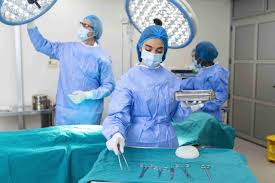
A surgical technologist is a trained healthcare professional who works inside the operating room. You might hear them called “surg techs” or “scrub techs.” Their primary role is to assist surgeons during operations by preparing instruments, maintaining a clean environment, and ensuring everything runs smoothly. Imagine a movie set. The surgeon is the main actor, but without the crew behind the scenes, the production would fall apart. That crew is similar to the surgical technologist.
In cardiovascular surgery, the role becomes even more specialized. The procedures are often longer, more delicate, and more complex than general surgeries. That means the surgical technologist must be extremely organized and prepared. One small mistake — like handing the wrong instrument at the wrong time — can delay a critical moment.
Why Cardiovascular Surgery Is a Specialized Field
What makes someone successful in this field? First, attention to detail. Cardiovascular procedures involve tiny structures and precise movements. Second, calmness under pressure. Heart surgeries can last several hours, and staying focused is essential. Third, teamwork. Operating rooms function like a synchronized dance. Everyone must communicate clearly and work in harmony.
Qualities of a Successful Cardiac Surgical Technologist
If you enjoy structured environments, thrive under responsibility, and want a role where you actively contribute to saving lives, cardiovascular surgical technology could be your calling. It’s not just about tools and equipment — it’s about being a reliable, steady presence during life-changing moments.
Understanding the Heart and Blood Vessels (Basic Overview)
To work confidently in cardiovascular surgery, you need a basic understanding of how the heart and blood vessels function. Don’t worry — we’ll keep it simple and practical.
Think of the heart as a powerful pump. Its job is to push blood throughout the body. This blood carries oxygen and nutrients to every organ and tissue. Without a steady flow, cells begin to die. The heart works nonstop — 24 hours a day — without taking a break. That alone tells you how vital it is.
Structure of the Heart
The heart has four chambers. These chambers work together to move blood in and out in a coordinated rhythm. Blood travels from the heart through blood vessels — which are like highways — delivering oxygen to the body and returning waste products to be removed.
How Blood Circulates in the Body
When something goes wrong — like a blockage in a vessel or a damaged heart valve — blood flow becomes restricted. It’s similar to a clogged pipe in your home. Water cannot pass properly, and pressure builds up. In the body, this can cause chest pain, shortness of breath, fatigue, or even life-threatening emergencies.
Common Heart Conditions Requiring Surgery
Common conditions requiring surgery include blocked arteries, weakened heart valves, and certain congenital (birth-related) heart problems. As a surgical technologist, understanding these basics helps you anticipate what the surgeon will need during a procedure. You won’t just be handing tools — you’ll understand why each step matters.
This foundational knowledge builds confidence. When you know what the team is trying to fix, your role becomes clearer and more meaningful. And in cardiovascular surgery, clarity is everything.
Types of Cardiovascular Surgeries
Cardiovascular surgery isn’t just one type of operation. It includes several procedures, each designed to fix a specific problem in the heart or blood vessels. As an aspiring surgical technologist, understanding these common surgeries will help you prepare mentally and professionally for what happens inside the operating room.
Open Heart Surgery
One of the most well-known procedures is open-heart surgery. In this type of operation, the chest is carefully opened so the surgeon can directly access the heart. It may sound intense — and it is — but it’s also highly organized and carefully planned. These surgeries are performed to repair damaged areas, correct defects, or improve blood flow. As a surgical technologist, your role in such procedures includes preparing specialized instruments, ensuring sterility, and anticipating the surgeon’s needs without hesitation.
Coronary Artery Bypass Surgery
Another common procedure is coronary artery bypass surgery. This surgery helps patients with blocked blood vessels. Imagine traffic on a highway completely stopped because of an accident. A bypass creates a new route so traffic can flow smoothly again. Similarly, surgeons create a new pathway for blood to travel around a blockage. This procedure is extremely common worldwide and is often life-saving.
Heart Valve Repair and Replacement
Heart valve repair or replacement is another major category. Heart valves control the direction of blood flow. If they become stiff or leaky, they need repair or replacement. These procedures require precision and patience, and the surgical technologist must stay alert throughout.
Minimally Invasive Cardiac Procedures
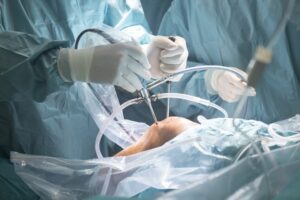
In recent years, minimally invasive cardiac procedures have become more popular. These surgeries use smaller incisions, meaning less trauma for the patient and faster recovery. Even though the incisions are smaller, the responsibility of the surgical team remains large.
Understanding these surgeries gives you clarity. Instead of feeling overwhelmed, you begin to see patterns, processes, and preparation steps. That confidence will shape your professional growth.
Pre-Operative Responsibilities of a Surgical Technologist
Before a heart surgery even begins, a significant amount of preparation takes place. The operating room doesn’t just “come together” on its own — it’s carefully organized, and the surgical technologist plays a central role in that preparation.
Preparing the Operating Room
First, preparing the operating room is essential. Every instrument must be arranged in a logical order. Think of it like setting up a professional kitchen before a five-star meal. If tools aren’t within reach, the chef loses time. Similarly, in cardiac surgery, time is critical. A well-organized setup ensures smooth workflow.
Sterilizing and Organizing Instruments
Sterilization is another major responsibility. Cardiovascular surgeries require a completely clean environment. Even the smallest contamination can cause serious complications. Surgical technologists ensure all instruments are properly sterilized and that the sterile field — the clean working area — remains untouched by anything unclean.
Ensuring Patient Safety
Patient safety is also a priority. While surgeons focus on the operation itself, surgical technologists double-check supplies, equipment, and readiness. They confirm that everything needed for the procedure is available, reducing delays and risks.
Preparation may not seem as dramatic as the surgery itself, but it’s just as important. A successful heart operation begins long before the first incision. When you step into this role, your preparation skills directly impact outcomes. That’s a powerful responsibility — and a meaningful one.
Intra-Operative Responsibilities
Once the surgery begins, everything moves with focus and precision. The atmosphere inside a cardiovascular operating room is intense but controlled. As a surgical technologist, your intra-operative responsibilities are critical to the success of the procedure.
Maintaining a Sterile Field
Maintaining a sterile field is your top priority. This means ensuring that no contamination occurs during the surgery. You remain alert at all times, watching movements carefully. Even a small break in sterility can create risks for the patient.
Passing Instruments Efficiently
Passing instruments efficiently is another key responsibility. In cardiovascular surgery, timing is everything. Surgeons often need specific tools instantly. You must anticipate what they will need next — sometimes without them asking. This skill develops through practice, observation, and experience. Over time, you’ll begin to recognize patterns in procedures.
Supporting the Surgical Team
You also support the surgical team emotionally and practically. Long surgeries can last several hours. Remaining calm, steady, and focused is essential. Your composure contributes to the team’s overall rhythm.
In many ways, intra-operative work is like being part of an orchestra. Every member has a role, and harmony matters. When everyone works together smoothly, the surgery progresses safely and efficiently.
Being present during heart surgery is both challenging and rewarding. You’re witnessing life-changing procedures firsthand — and actively contributing to them.
Post-Operative Duties
After the final stitch is placed and the patient is moved out of the operating room, the surgical technologist’s job isn’t finished. Post-operative duties are just as important as preparation and assistance during surgery.
Handling Instruments After Surgery
One of the first responsibilities is handling instruments properly. Every tool must be counted, cleaned, and sent for sterilization. Instrument counting is critical because nothing must be left inside the patient. Accuracy here is non-negotiable.
Preparing for the Next Procedure
Next, the operating room must be prepared for the next procedure. This includes removing used materials, resetting equipment, and ensuring everything is restocked. Efficiency in this stage helps hospitals maintain smooth schedules, especially in busy cardiac centers.
Supporting Patient Recovery Protocols
Post-operative teamwork also extends to supporting patient recovery protocols. While nurses and doctors manage recovery directly, the surgical technologist ensures documentation and equipment processes are completed correctly.
Think of post-operative work as resetting the stage after a performance. The show may be over, but preparation for the next one begins immediately.
Consistency, discipline, and attention to detail define this stage. When done correctly, it keeps the entire surgical system running smoothly and safely.
Essential Instruments Used in Cardiovascular Surgery
Cardiovascular surgery involves specialized instruments designed specifically for heart procedures. While you don’t need to memorize complicated names right away, you do need to understand their purpose.
Basic Surgical Instruments
Basic surgical instruments include scissors, forceps, clamps, and needle holders. These are standard tools used in many types of surgeries. However, in cardiac procedures, they are often designed with extra precision for delicate work.
Specialized Cardiac Tools
Specialized cardiac tools are used to handle blood vessels and heart tissues carefully. Some instruments help keep vessels open, while others control bleeding. There are also machines that temporarily assist with blood circulation during certain procedures.
Understanding Equipment Without Complex Terminology
Understanding equipment without relying on complex terminology is important. Focus on function rather than name. Ask yourself: What does this tool do? Why is it used at this step?
As you gain experience, these instruments will become familiar. They won’t feel intimidating — they’ll feel like extensions of your role.
Mastering instrument knowledge builds confidence. And in cardiovascular surgery, confidence supports performance.
Skills Required for Aspiring Cardiac Surgical Technologists
If you’re serious about working in cardiovascular surgery, skills matter just as much as education. This field is not only about knowing instruments or procedures — it’s about developing personal qualities that make you reliable in high-stakes situations.
Attention to Detail
First and foremost, attention to detail is everything. In heart surgery, even the smallest oversight can create complications. You must notice tiny changes, track instrument counts accurately, and ensure every item is in its proper place. It’s similar to building a watch — every small piece must fit perfectly for the whole system to work.
Team Communication
Next comes communication. Operating rooms are team environments. Surgeons, nurses, anesthetists, and technologists must coordinate smoothly. Clear, respectful communication prevents confusion. Sometimes it’s not about speaking loudly — it’s about listening carefully and responding quickly.
Emotional Strength and Focus
Emotional strength is another critical skill. Cardiovascular surgeries can last many hours. Some cases may be urgent or emotionally intense. You might witness life-saving efforts in real time. Staying calm, focused, and steady under pressure makes a huge difference. Patients and their families trust the surgical team with their lives — that responsibility requires maturity.
Time management is equally important. Cardiac centers often handle multiple surgeries daily. Being organized ensures procedures start and finish efficiently without unnecessary delays.
Finally, adaptability matters. Technology is constantly evolving. New tools, new techniques, and new safety guidelines appear regularly. Being open to learning keeps you competitive globally.
These skills are not developed overnight. They grow with practice, mentorship, and real-world experience. But once cultivated, they transform you from a beginner into a dependable cardiac surgical technologist.
Education and Certification Path
Starting a career as a cardiovascular surgical technologist begins with proper education. While requirements vary slightly across countries, the core pathway remains similar worldwide.
Required Academic Background
Most aspiring surgical technologists complete a formal training program in surgical technology. These programs are typically offered at colleges, technical institutes, or accredited healthcare training centers. The program includes classroom learning and hands-on clinical experience. Classroom sessions cover anatomy basics, patient safety, infection control, and operating room procedures. Clinical training allows students to practice in real hospital environments under supervision.
Certification Options Worldwide
Certification is highly recommended, especially if you want global opportunities. Many countries offer professional certifications that validate your skills and knowledge. Being certified increases employability and builds trust with employers. It also demonstrates commitment to professional standards.
Continuing Education and Skill Upgrades
Continuing education is another key part of this career. Medicine constantly evolves. New technologies, improved surgical techniques, and updated safety standards emerge frequently. Staying updated ensures you remain relevant and competitive.
For those interested in specializing in cardiovascular surgery, additional training or on-the-job experience in cardiac units is extremely beneficial. Some professionals start in general surgery before moving into cardiac specialties.
The path may require dedication, but the rewards are meaningful. With proper education and certification, you open doors to hospitals and heart centers around the world. In a global healthcare system, skilled surgical technologists are always in demand.
Work Environment and Career Growth
Hospitals and Specialized Cardiac Centers
Cardiovascular surgical technologists typically work in hospitals, specialized heart institutes, or advanced surgical centers. These environments are fast-paced, structured, and highly organized. Every team member understands their responsibilities clearly.
A typical workday may include preparing for scheduled heart surgeries, assisting during procedures, and resetting for the next case. Some days are routine. Others can be unpredictable, especially in emergency cardiac situations. Flexibility is essential.
Salary Expectations Globally
In terms of salary, compensation varies depending on location, experience, and certification. Countries with advanced healthcare systems often offer competitive pay. As you gain experience, your earning potential increases. Specialized cardiac technologists may earn more than those in general surgery due to the complexity of the procedures.
Career Advancement Opportunities
Career advancement opportunities also exist. With experience, you may move into supervisory roles, become a lead technologist, assist in training new staff, or transition into healthcare management roles. Some professionals pursue further education in nursing or other healthcare specialties.
Globally, heart disease remains a leading health challenge. That means cardiac surgical teams will continue to be essential. For aspiring technologists, this translates into strong job security and long-term career stability.
Working in cardiovascular surgery is demanding — but it offers purpose, growth, and financial stability. Few careers combine technical skill and life-saving impact so directly.
Challenges in Cardiovascular Surgery
Every rewarding career comes with challenges, and cardiovascular surgery is no exception. Understanding these challenges early prepares you mentally and professionally.
Long Hours
One major challenge is long working hours. Some heart surgeries can last several hours without breaks. Standing for extended periods requires physical stamina. Comfortable footwear and proper posture become important practical habits.
High-Pressure Situations
High-pressure situations are also common. Emergency heart surgeries require immediate action. In these moments, speed and precision must work together. There is little room for hesitation. Learning to manage pressure without panic is part of professional growth.
Managing Emotional Stress
Emotional stress can also be present. Not every case has a perfect outcome. Supporting critically ill patients and their families can affect you emotionally. Building emotional resilience and maintaining professional boundaries helps protect your mental well-being.
Another challenge is maintaining constant focus. Repetitive tasks may seem routine, but they require continuous attention. Losing focus even briefly can lead to errors.
Despite these challenges, many professionals find the field deeply fulfilling. Over time, confidence grows. What once felt overwhelming becomes structured and manageable.
Challenges don’t define the career — how you respond to them does. With preparation, discipline, and a supportive team, these obstacles become stepping stones toward expertise.
Ethical and Professional Responsibilities
In cardiovascular surgery, professionalism goes beyond technical skill. Ethical responsibility plays a central role in daily practice.
Patient confidentiality
Patient confidentiality is one of the most important principles. Surgical technologists often see private medical information. Respecting patient privacy builds trust and protects professional integrity. Information shared in the operating room stays there.
Maintaining professional conduct
Maintaining professional conduct is equally important. This includes punctuality, respectful communication, and adherence to hospital policies. A positive attitude strengthens teamwork and improves patient outcomes.
Following safety guidelines
Following safety guidelines is non-negotiable. Infection control procedures, instrument counting protocols, and equipment checks must be followed precisely. Shortcuts are never acceptable in heart surgery.
Ethics also include accountability. If a mistake happens, honesty and transparency are critical. Healthcare environments value integrity.
When you combine technical expertise with ethical behavior, you become not just a skilled professional — but a trusted one. And trust is the foundation of healthcare worldwide.
Technology and Innovation in Cardiac Surgery
Cardiovascular surgery has evolved significantly over the past few decades. Modern technology has improved precision, safety, and recovery times for patients.
Modern Surgical Equipment
Advanced monitoring systems now track patient vitals in real time. Surgical tools are designed with greater accuracy and ease of use. Minimally invasive approaches allow surgeons to operate with smaller incisions, reducing pain and hospital stays.
Robotic Assistance
Robotic assistance is also becoming more common in some regions. These systems allow surgeons to perform delicate movements with enhanced precision. While not every hospital uses robotic technology, exposure to such innovations can expand career opportunities globally.
Digital record systems have also improved documentation and workflow. Surgical technologists must be comfortable working with electronic systems as part of modern healthcare.
Future Trends in Cardiac Care
Looking ahead, technology will continue to shape cardiac care. Artificial intelligence, improved imaging systems, and advanced training simulations are already influencing surgical education.
For aspiring technologists, staying curious and adaptable ensures long-term success. Embracing innovation keeps your skills relevant in a rapidly changing healthcare landscape.
Tips for Success as an Aspiring Cardiac Surgical Technologist
Success in cardiovascular surgery doesn’t happen overnight. It’s built through preparation, consistency, and mindset.
Building Confidence
Start by building confidence through practice. During training, take every opportunity to observe cardiac cases. Ask thoughtful questions and seek mentorship from experienced professionals.
Gaining practical experience
Gaining practical experience is invaluable. Real operating room exposure teaches lessons no textbook can fully explain. The more you see procedures unfold, the more comfortable you become.
Networking in Healthcare
Networking within healthcare also matters. Professional connections can open doors to specialized cardiac centers and career advancement.
Maintain physical and mental health. Balanced nutrition, regular rest, and stress management techniques support long-term performance.
Finally, never stop learning. Healthcare evolves constantly. Continuous education keeps you competitive and informed.
Success in this field isn’t about being perfect. It’s about being prepared, reliable, and willing to grow.
Conclusion
Cardiovascular surgery is one of the most impactful areas of modern healthcare. For aspiring surgical technologists, it offers a meaningful career filled with responsibility, teamwork, and professional growth. From understanding heart basics to mastering operating room responsibilities, each step builds toward expertise.
This field demands focus, discipline, and emotional strength — but it also provides stability, global opportunities, and the deep satisfaction of contributing to life-saving procedures. With the right education, certification, and mindset, you can build a rewarding career in cardiovascular surgical technology anywhere in the world.
If you are passionate about healthcare and thrive in structured, high-responsibility environments, this specialty may be the perfect fit for you.
FAQs
Is cardiovascular surgery difficult for beginners?
It can feel challenging at first, but with proper training and consistent practice, it becomes structured and manageable.
How long does it take to become a surgical technologist?
Most training programs take 1–2 years, depending on the country and institution.
Can surgical technologists specialize in cardiac surgery?
Yes. Many start in general surgery and later specialize in cardiovascular procedures through experience and additional training.
Is this career in demand globally?
Yes. Heart disease is common worldwide, creating ongoing demand for skilled cardiac surgical teams.
What is the most important skill in cardiovascular surgery?
Attention to detail and the ability to remain calm under pressure are two of the most important skills.
Disclaimer
”This article is for informational and educational purposes only. It does not provide medical, professional, or career certification advice. Readers should consult accredited institutions or healthcare professionals for specific guidance. We are not responsible for any decisions made based on this content.”