Laparoscopic Surgery Recovery Timeline: Week-by-Week Guide
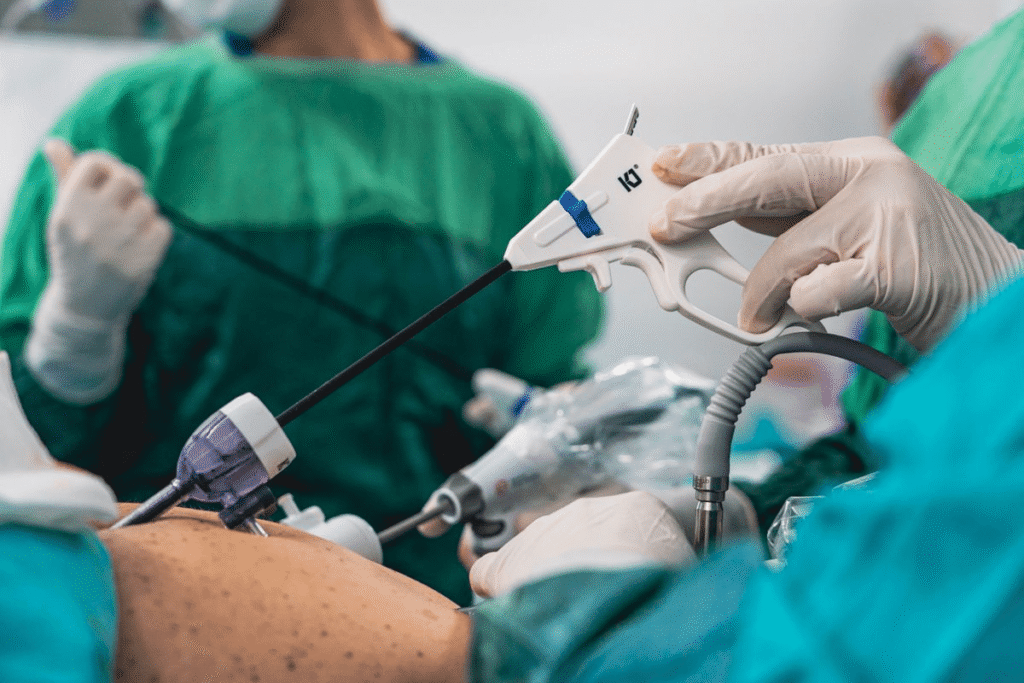
Illustration of surgeons performing laparoscopic and robotic-assisted surgery in a modern operating room, highlighting minimally invasive techniques and recovery process.
Laparoscopic surgery, also known as minimally invasive surgery, has become the preferred choice for many surgical procedures due to its reduced pain, smaller incisions, and faster recovery compared to traditional open surgery. Understanding what to expect during your recovery period is essential for a safe and smooth return to daily activities.
This article provides a week-by-week recovery guide, highlights key benefits, and shares tips to optimize healing after laparoscopic surgery.
What Is Laparoscopic Surgery?
Laparoscopic surgery is a minimally invasive procedure in which surgeons operate through small incisions using specialized instruments and a camera called a laparoscope. This technique is commonly used for procedures such as:
- Gallbladder removal (cholecystectomy)
- Hernia repair
- Appendectomy
- Gynecological surgeries (e.g., hysterectomy, ovarian cyst removal)
- Colorectal procedures
Key Advantages Include:
- Smaller incisions and minimal scarring
- Less postoperative pain
- Reduced risk of infection
- Shorter hospital stay
- Faster recovery
Week-by-Week Laparoscopic Surgery Recovery Timeline
Week 1: Immediate Post-Operative Period
What to Expect:
- Mild to moderate pain at incision sites
- Swelling or bruising around small incisions
- Fatigue and limited mobility
- Possible nausea due to anesthesia
Tips for Recovery:
Follow your surgeon’s pain management plan
- Drink plenty of fluids and eat light meals
- Walk short distances to prevent blood clots
- Keep incisions clean and dry
Week 2: Early Recovery Phase
What to Expect:
- Pain begins to decrease
- Increased mobility and ability to perform light activities
- Incisions start to heal
- Appetite returns to normal
Tips for Recovery:
- Gradually increase walking or light household activities
- Avoid heavy lifting and strenuous exercise
- Monitor incision sites for signs of infection
Week 3-4: Building Strength
What to Expect:
- Most patients feel stronger and more energetic
- Ability to resume daily routines with caution
- Minor discomfort may still be present
Tips for Recovery:
- Slowly reintroduce core strengthening exercises if approved by your surgeon
- Eat a balanced diet to support tissue healing
- Attend follow-up appointments to monitor progress
Week 5-6: Resuming Normal Activities
What to Expect:
- Pain is minimal or completely gone
- Patients can return to work (depending on the type of procedure)
- Minor tenderness at incision sites may persist
Tips for Recovery:
- Gradually return to regular exercise and daily routines
- Avoid activities that strain the abdomen or core muscles
- Continue monitoring for unusual symptoms such as swelling or fever
Week 7-8: Full Recovery Phase
What to Expect:
- Most patients experience full recovery
- Incisions fully healed, minimal scarring
- Normal physical activity is usually resumed
Tips for Recovery:
- Resume all routine activities gradually
- Maintain a healthy diet and hydration
- Follow any long-term care instructions from your surgeon
Factors Affecting Laparoscopic Surgery Recovery
Type of Surgery: Complex procedures may require longer recovery times.
Patient Health: Age, pre-existing conditions, and nutrition affect healing.
Post-Operative Care: Following medical advice improves outcomes.
Complications: Rare issues like infection or bleeding may extend recovery.
Tips for Faster Recovery After Laparoscopic Surgery
- Stay active with short walks daily
- Follow a high-protein, nutrient-rich diet
- Avoid smoking and alcohol, which delay healing
- Manage pain effectively with prescribed medication
- Attend all follow-up appointments
- Monitor for signs of complications (redness, swelling, fever)
Conclusion
Laparoscopic surgery offers a faster, safer, and more comfortable recovery compared to traditional open surgery. By understanding the week-by-week recovery timeline, patients can better manage expectations, follow post-operative care instructions, and enjoy a smoother healing process.
Adhering to a healthy lifestyle, staying active, and monitoring symptoms ensures optimal outcomes and a quicker return to normal life.
FAQs
1. How long does recovery take after laparoscopic surgery?
Most patients resume normal activities within 4–6 weeks, depending on the procedure and overall health.
2. When can I return to work after laparoscopic surgery?
Many patients can return to desk jobs within 1–2 weeks, while physically demanding jobs may require 4–6 weeks.
3. Is pain normal after laparoscopic surgery?
Yes, mild to moderate pain is expected in the first 1–2 weeks, typically managed with prescribed medications.
4. How can I reduce scarring after laparoscopic surgery?
Keeping incisions clean, avoiding sun exposure, and using recommended scar creams or silicone sheets can minimize scarring.
5. Are there risks during recovery?
Complications are rare but may include infection, bleeding, or hernia at the incision site. Contact your surgeon if you notice unusual symptoms.