Surgical Technologist vs Nurse: Key Differences, Roles, and Career Comparison

Surgical Technologist vs Nurse Key Differences, Roles, and Career Comparison
Introduction
Students who want to enter healthcare often find themselves confused between two popular career options: surgical technologist and nurse. Both roles are respected, both work closely with patients, and both are essential in medical settings. However, their responsibilities, work environments, education paths, and long-term career experiences are very different.
For medical students and healthcare aspirants, understanding these differences is important before making a career decision. Choosing the wrong path can lead to dissatisfaction, while choosing the right one can provide long-term professional fulfillment.
This article provides a clear, honest, and professional comparison between surgical technologists and nurses, written in a way that is easy to understand but still useful for serious readers.
Overview of the Two Professions
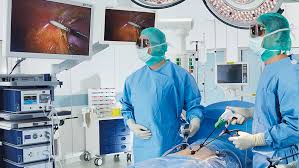
A surgical technologist primarily works inside the operating room and focuses on supporting surgical procedures. Their role is highly specialized and revolves around preparation, precision, and teamwork during surgery.
A nurse, on the other hand, has a broader role in patient care. Nurses work in many different healthcare settings and are involved in monitoring patients, administering care, and supporting recovery before and after medical procedures.
While both professions are part of the healthcare system, they serve very different purposes.
Role of a Surgical Technologist
Surgical technologists are trained to support surgical teams before, during, and after operations. Their work is centered around the operating room, where accuracy and organization are critical.
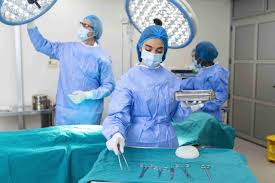
They are responsible for preparing the operating room, managing surgical instruments, maintaining cleanliness, and assisting surgeons during procedures. Their focus is not long-term patient care, but rather ensuring that surgeries are performed safely and efficiently.
Surgical technologists usually interact with patients only briefly, mainly before surgery and sometimes after the procedure.
Role of a Nurse
Nurses play a much broader role in healthcare delivery. They are responsible for monitoring patients, providing care, assisting doctors, and supporting patients throughout their medical journey.
Nurses work in many environments, including hospitals, clinics, emergency rooms, community centers, and home care settings. Their duties may include checking vital signs, administering medications, educating patients, and responding to emergencies.
Because of their wide scope of practice, nurses often build longer relationships with patients compared to surgical technologists.
Education and Training Path
One of the biggest differences between surgical technologists and nurses is the education timeline.
Surgical technologists typically complete a focused education program that prepares them specifically for operating room work. These programs are shorter and more specialized, allowing students to enter the workforce relatively quickly.
Nursing education usually takes longer and includes broader medical training. Nursing programs focus on patient care, clinical decision-making, and healthcare management across different settings.
This difference in education length often plays a major role in career choice, especially for students who want to start working sooner.
Work Environment and Daily Routine
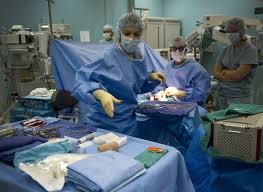
Surgical technologists spend most of their working hours inside operating rooms. Their daily routine is structured around surgical schedules and procedures. The environment is controlled, quiet, and focused, with strict safety protocols.
Nurses, by contrast, work in a variety of environments. Their daily routine can change depending on patient needs, emergencies, and department requirements. Nursing work is often more dynamic and unpredictable.
Some individuals prefer the structured and focused nature of operating rooms, while others enjoy the variety and interaction that nursing offers.
Patient Interaction and Care
Patient interaction is another major point of difference.
Surgical technologists have limited patient interaction. Their role is more technical and supportive rather than caregiving. They focus on surgical preparation and teamwork rather than emotional support or long-term care.
Nurses, however, spend significant time with patients. They provide emotional support, education, and ongoing care. This makes nursing a more patient-centered profession.
People who enjoy building relationships with patients often prefer nursing, while those who prefer technical support roles may find surgical technology more suitable.
Skill Sets Required
Both careers require strong professional skills, but the focus differs.
Surgical technologists need:
- Strong attention to detail
- Ability to work under pressure
- Excellent organization skills
- Physical stamina for long procedures
Nurses need:
- Strong communication skills
- Emotional resilience
- Clinical decision-making ability
- Adaptability to different situations
Choosing between these careers often depends on whether an individual prefers technical precision or patient interaction.
Salary and Earning Potential
Salary expectations vary depending on location, experience, and workplace. In general, nurses tend to have higher average salaries, especially as they gain experience or move into specialized roles.
Surgical technologists usually earn slightly less than nurses at the entry level, but their education costs are often lower, and they enter the workforce sooner. This can balance the financial picture over time.
Both professions offer stable income and long-term job security, especially in regions with strong healthcare demand.
Career Growth and Advancement
Nursing offers a wide range of advancement opportunities. Nurses can specialize, move into leadership roles, or pursue advanced education. This flexibility attracts individuals who want long-term growth options.
Surgical technologists also have growth opportunities, though they are more specialized. With experience, they can move into senior operating room roles, specialize in specific types of surgery, or transition into teaching and training.
Career growth is possible in both fields, but nursing generally offers a wider range of pathways.
Work Stress and Lifestyle Considerations
Both careers can be demanding, but the type of stress differs.
Surgical technologists experience pressure related to precision and timing. Mistakes are not easily tolerated in the operating room, which requires constant focus.
Nurses experience stress related to patient care, emotional situations, and unpredictable workloads. Long shifts and emotional demands are common.
Understanding the nature of stress in each role is important when deciding which career suits your personality.
Which Career Is Better for Medical Students?
For medical students or healthcare aspirants, the choice depends on long-term goals.
Surgical technology is a good option for those who want:
- Early entry into the workforce
- Focused surgical exposure
- A structured and technical role
- Nursing is a better option for those who want:
- Broader healthcare experience
- Strong patient interaction
- Long-term flexibility and advancement
Neither career is better overall; the best choice depends on personal interests and professional goals.
Quick Comparison Overview
For clarity, here is a concise comparison:
Surgical Technologist: Operating room focused, shorter education, limited patient interaction, technical role
Nurse: Broad healthcare role, longer education, high patient interaction, flexible career paths
This summary helps highlight the core difference between the two professions.
Final Thoughts
Surgical technologists and nurses are both essential healthcare professionals, but their roles, responsibilities, and career experiences are very different. Surgical technology offers a focused, structured path centered on surgery, while nursing provides broader patient care and career flexibility. To understand the full scope of a surgical technologist’s role, including education, responsibilities, and growth opportunities, check out our complete guide to surgical technologists.
For medical students and healthcare aspirants, the best choice is the one that aligns with personal strengths, interests, and long-term goals. Understanding these differences clearly is the first step toward a satisfying and successful healthcare career.
(FAQs)
Is a surgical technologist considered a nurse?
No. They are separate professions with different responsibilities and training.
Which career has better job stability?
Both have strong job stability due to ongoing healthcare demand.
Is nursing harder than surgical technology?
Both are challenging in different ways. Nursing involves broader responsibilities, while surgical technology requires extreme precision.
Can a surgical technologist later become a nurse?
Yes, but it requires completing a nursing education program.
Which career is better for work-life balance?
This depends on workplace and schedule, but surgical technology often has more predictable routines.
Author Bio:
Hamza is a healthcare education researcher and medical technology content specialist focused on surgical technology, operating room innovations, and modern healthcare careers.
He writes in-depth, research-based guides to help students, healthcare professionals, and career seekers understand the evolving field of surgical technology.
His content focuses on:
-
Surgical technologist career paths
-
Robotic and minimally invasive surgery
-
AI in operating rooms
-
Healthcare training programs
All articles are written for educational purposes and aim to provide accurate, up-to-date information based on industry research.